
Last updated November 24, 2026
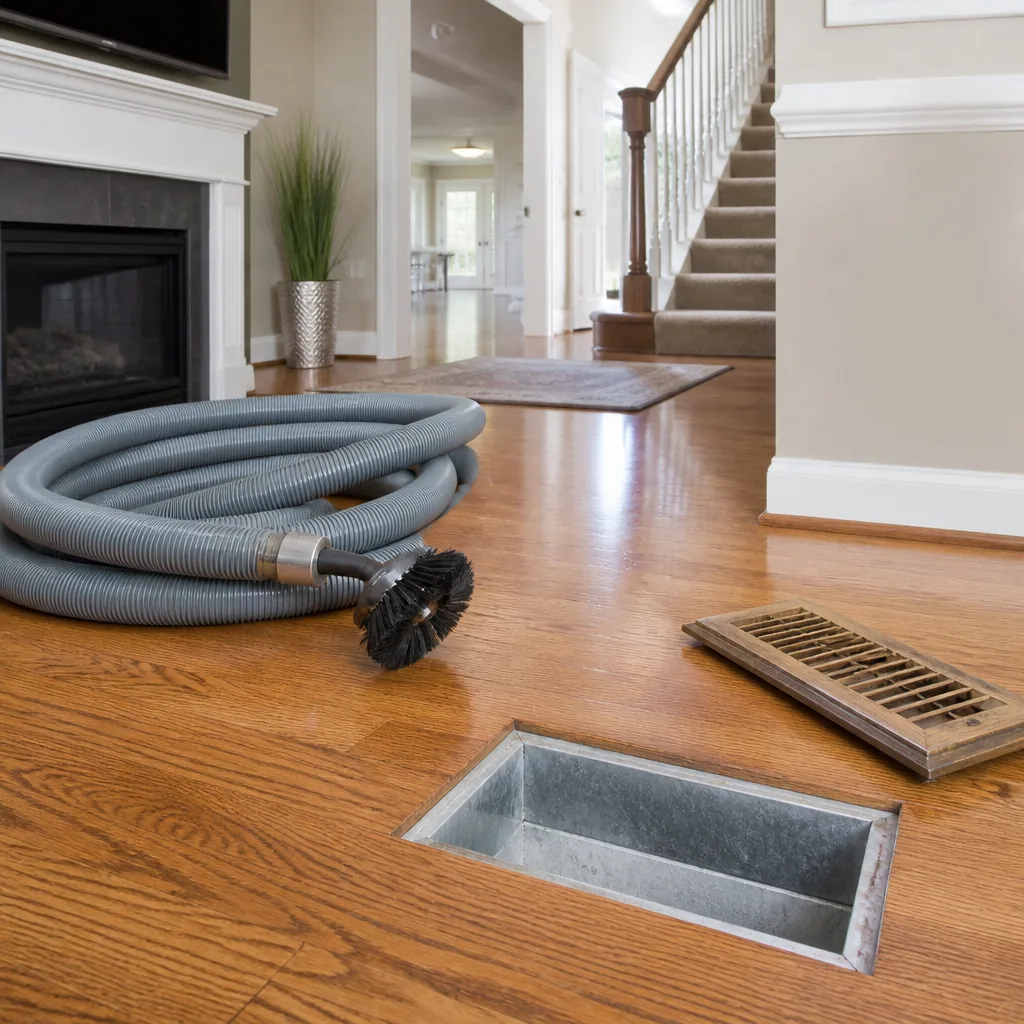 Whole-home duct cleaning
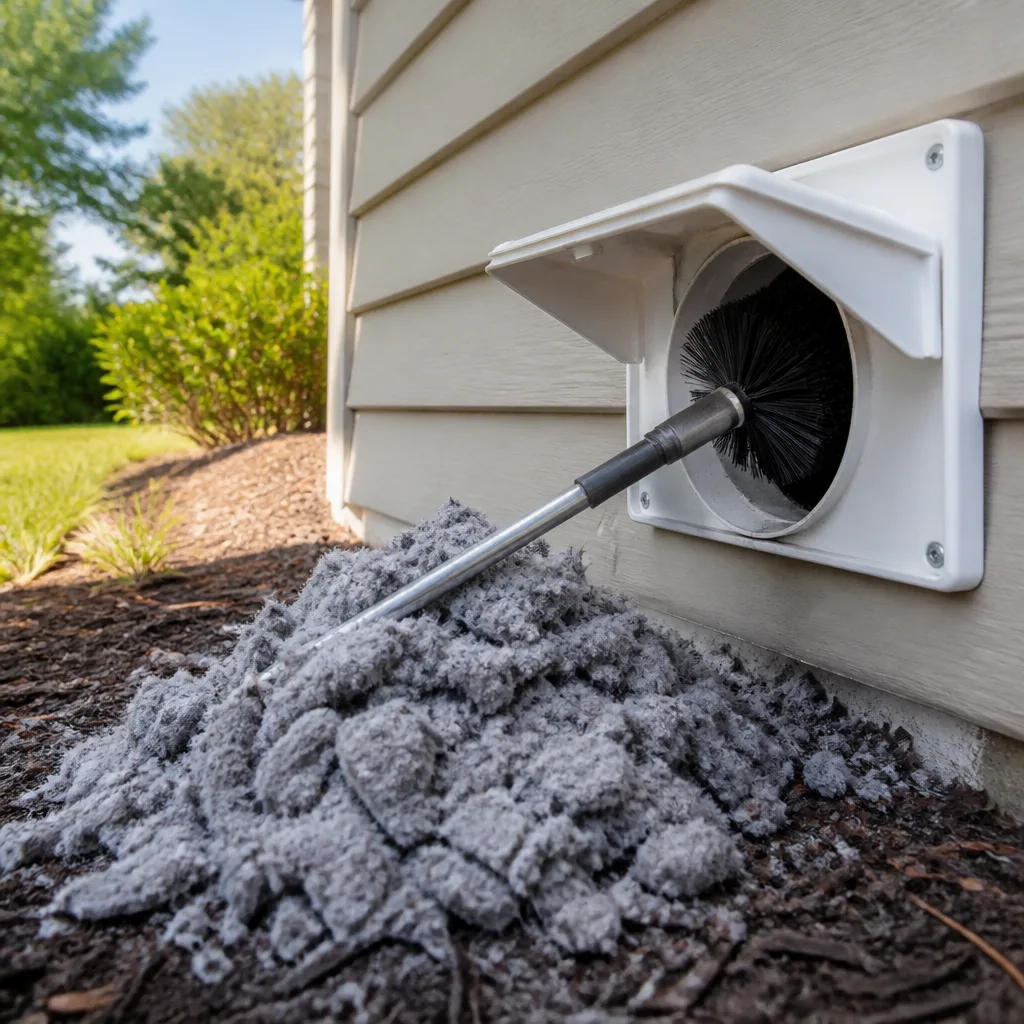 Dryer vent cleaning
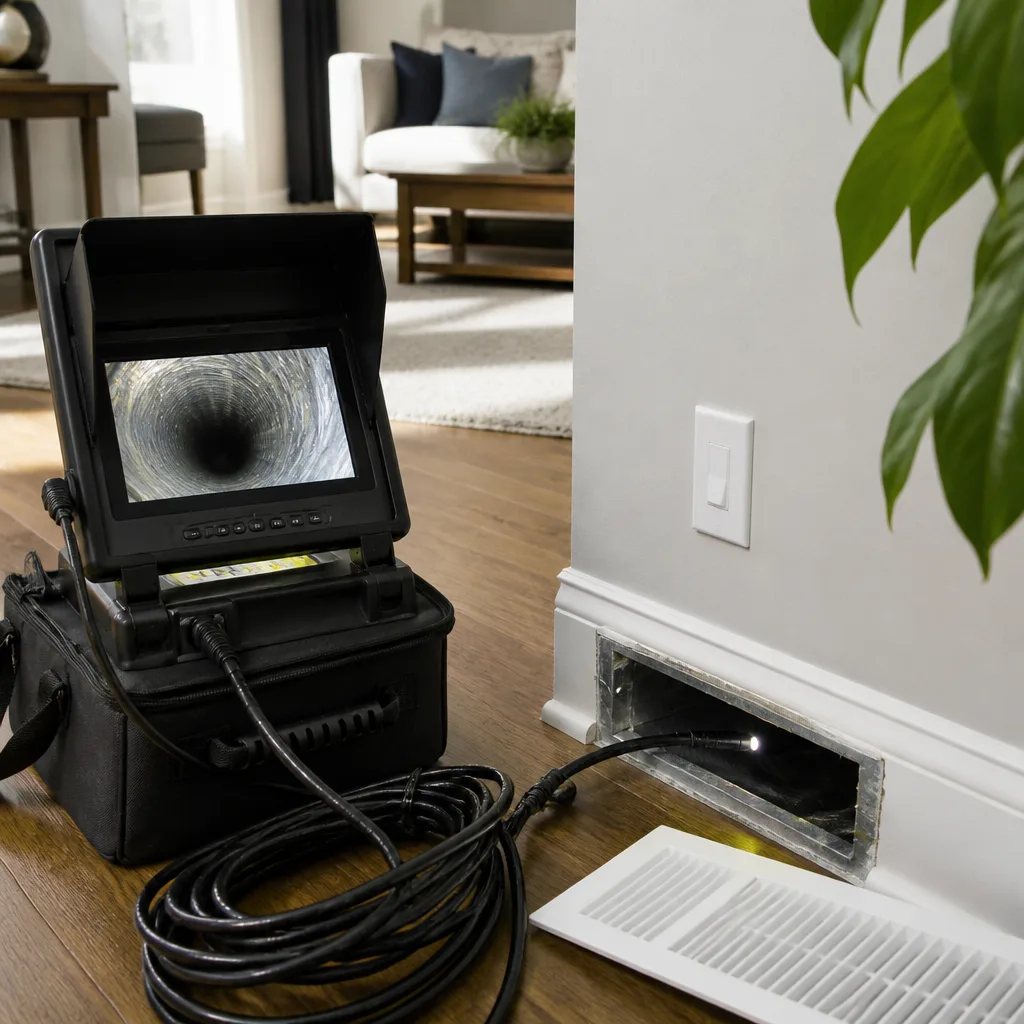 Camera inspection
 Sanitizing & deodorizing
Whole-system duct and dryer vent check with before-and-after photos - you see exactly what came out of your vents
That "$99 whole-house special" is a bait ad - the real number appears once they are in your hallway, or the "clean" is a shop-vac at the register. We photograph the inside of your ducts before and after instead.
Air Duct Cleaning Permits, Codes & Inspections in Murray, UT: What You Need to Know
Cleaning the inside of your ducts is not a permitted activity in Utah. Nobody at the city is signing off on a brush and a vacuum. But the moment a technician cuts a new opening into your ductwork, seals a disconnected trunk line back into place, or mounts an access panel in a return plenum, the work can cross into territory that the Utah State Mechanical Code treats as a duct modification – and that’s where permits, inspections and disclosure duties begin. Most homeowners never hear this distinction until they’re selling the house or filing an insurance claim. This guide covers where the line sits in Murray, how the permit process actually works at the city, what NADCA standards say about access panels, and the questions to ask before anyone touches your ducts. Share it with your contractor if you’re scheduling work.
Quick Answer
Air duct cleaning itself does not require a permit in Murray, UT. Cleaning that stays limited to removing debris through existing registers and openings is maintenance, not construction. Duct repair or modification – adding an access panel, reconnecting a trunk, replacing a run of flex duct, or altering anything inside a return plenum – may require a mechanical permit from Murray City, and the safest first step is a call to the city’s building department before the work begins. If the scope crosses that line, the contractor pulling the permit should be a licensed mechanical contractor.
Styles & brands we work with
- Whole-home duct cleaning
- Dryer vent cleaning
- Camera inspection
- Sanitizing & deodorizing
Table of Contents
- Cleaning vs. Duct Repair: Where the Permit Line Actually Sits
- How the Murray City Mechanical Permit Process Works
- What the Utah State Mechanical Code Says About Ductwork
- Access Panels, NADCA Standards and Code Compliance
- Five Questions That Separate Permit-Ready Contractors
- Inspection Scenarios: Home Sales, Rentals and Insurance Claims
- Why Murray’s Climate Makes Duct Integrity Matter
- What Documentation to Ask for After the Work
Cleaning vs. Duct Repair: Where the Permit Line Actually Sits
Here’s the rule we use on every job: if you can clean it without opening a new hole or altering the duct system’s shape, it’s maintenance. If the work changes the system, it may be construction, and construction is regulated.
Cleaning is the removal of accumulated dust, debris, construction residue or biological growth from the existing interior surfaces of ducts, plenums and HVAC components. It uses openings that are already there – registers, grilles, and the unit itself – or it adds temporary access that gets properly sealed afterward. No permit. No inspection. That is true in Murray and it’s true anywhere in Utah.
Duct repair and modification are different. The Utah State Mechanical Code regulates the design, installation, alteration and repair of mechanical systems in buildings. That language matters: “alteration” and “repair” are regulated, “cleaning” is not. The work that most often crosses the line:
- Installing a permanent access panel into a plenum or main trunk line where none existed
- Replacing flex duct runs or rigid trunk sections
- Reconnecting a separated trunk or boot that has come loose from the supply or return
- Sealing joints with mastic or approved tape in a way that changes the system’s configuration
- Adding, removing or relocating a supply or return register
- Any work inside a return air plenum, which carries its own fire and material requirements
If a technician recommends “just adding an access panel here,” ask the obvious next question: does this need a permit? A contractor who knows the code can answer in plain language. One who can’t doesn’t get to cut into your system. For readers who want the cleaning side handled first, our page on air duct cleaning walks through what a proper cleaning actually involves.
How the Murray City Mechanical Permit Process Works
Murray City has its own building department, and mechanical permits are pulled through it – not through Salt Lake County – for work inside Murray city limits. That’s easy to get wrong if a contractor works across the valley and assumes county jurisdiction. The general steps look like this:
- Confirm the scope crosses the line. The contractor identifies whether the work is cleaning, repair or alteration, and whether it changes the duct system’s configuration or materials.
- Call Murray City’s building department. Ask exactly one thing: does this specific scope of work require a mechanical permit in Murray? Get the answer from the department, not from a competitor’s website.
- Verify the contractor’s license. The permit needs to be pulled under a licensed mechanical contractor. Ask for the license class and confirm it covers ductwork.
- Submit the application. Drawings or a description of the work, the property address and the contractor’s information go on the application.
- Pay the permit fee. Fees scale with the scope of work. The building department sets the number.
- Complete the work. Finish everything that was permitted before scheduling inspection.
- Schedule the inspection. The inspector checks the install against the permitted scope. Pass, and the work closes out on the record.
- Keep the sign-off. The final inspection record belongs in the homeowner’s file, not just the contractor’s.
The timeline depends on the department’s current workload and the scope of work, so build a few days of slack into any sale or renovation schedule. If the property is being sold, get the permit pulled and closed before the buyer’s inspection period ends. A permit that turns up “in progress” at closing is a negotiating problem you’d rather not have.
What the Utah State Mechanical Code Says About Ductwork
The Utah State Mechanical Code governs mechanical system design and installation statewide, and it’s adopted with local amendments by jurisdictions like Murray. The code doesn’t write out a cleaning exemption in plain English, but its scope is what matters: it regulates construction, alteration, repair and maintenance of mechanical systems. Cleaning, as the industry defines it, is not construction.
What the code does care about, and where a cleaning job can find itself in hot water:
- Plenum integrity. Return air plenums built into floor cavities, wall cavities or ceiling assemblies have specific requirements for materials and sealing. Cutting into one improperly breaches those requirements.
- Duct material and connection. Approved materials, approved joints, approved fasteners. Flex duct squashed into a sharp turn technically reduces its rated capacity – common cleaning-side discovery.
- Fire and smoke protection. Duct penetrations through rated assemblies need to preserve the rating. A hole cut for access and sealed with the wrong material can compromise that.
- Sealing standards. Joints and seams of supply and return ducts are required to be sealed under standard code language. A cleaning that finds leaky joints is doing the homeowner a favor by pointing it out.
None of that means the code is hostile to duct work. It means the code is watching for anything that changes the way the system moves air or the way it behaves in a fire. Our team coordinates the cleaning and repair side under one call for exactly this reason – the diagnosis is where you learn whether you’re in cleaning territory or repair territory. When both can run through a single trade visit, the boundary gets handled the way it should.
Access Panels, NADCA Standards and Code Compliance
NADCA’s Assessment, Cleaning and Restoration (ACR) standard is the industry’s reference for what a proper duct cleaning should look like. It’s the standard competent contractors work from. Its practical guidance speaks to the areas that a cleaning should reach and the means used to reach them. In our experience, access is where the two worlds – cleaning standards and building code – meet most closely.
Here’s the tension: NADCA guidance expects the cleaning to reach surfaces that a register opening alone can’t access, and that sometimes means cutting in an access opening. Site crews do this through a temporary opening that gets properly resealed and finished afterward. If the opening is permanent, or if it goes into a plenum or a rated assembly, the mechanical code may treat it as a modification rather than a temporary means of access. That’s the moment a permit conversation should start.
Practical sequence for a Murray homeowner:
- Ask the contractor how they plan to reach the far ends of the main trunk.
- If the answer is temporary access, ask how the openings are sealed afterward. Approved tape and mastic, not duct tape and a thumb.
- If the answer is a permanent access panel, ask whether the panel placement is permit-ready and whether the contractor is licensed to install it.
- When the work is done, look at the panel and sealant yourself. A clean, correctly sealed opening doesn’t look rushed.
For a deeper walk-through of the cleaning standards, our hvac cleaning page covers the full-system side, including what should be cleaned on the air handler itself.
Five Questions That Separate Permit-Ready Contractors
The permit readiness of a contracting firm is a set of habits you can spot with five questions. We put these to ourselves constantly.
- “Is the work cleaning or repair?” A permit-ready contractor draws the line in plain language within a sentence. Vague answers (“it’s all part of the service”) are a warning.
- “Which city’s building department would handle the permit for this address?” In Murray, the answer should be Murray City, and a contractor who says “the county” hasn’t worked here enough to know better.
- “Who pulls the permit if the scope requires one?” A licensed mechanical contractor on the job, not the homeowner, and not a subcontractor nobody named on the paperwork.
- “What does the paperwork look like when the job is done?” A written scope, before-and-after photos and, where a permit was pulled, the final inspection record. If the answer is “we don’t really do that,” pass.
- “What happens if the inspection fails?” The licensed contractor’s responsibility to correct and reinspect, on their own dollar and their own schedule.
None of this is about catching anyone out for sport. It’s about confirming that the person with a cutting tool near your supply plenum knows what the code cares about. Most poor jobs don’t start with a bad intention – they start with a contractor who never had to think about the mechanical code and built habits around that.
Inspection Scenarios: Home Sales, Rentals and Insurance Claims
Duct condition becomes an official concern at exactly three moments. Each one changes what you should already have in hand.
Home sales
Utah’s seller disclosure form asks about known defects in the property’s systems, including HVAC. Visible duct damage, disconnected runs in the crawlspace or attic, and signs of moisture inside ductwork are disclosable conditions. A buyer’s home inspector will flag visible duct problems, and a permit pulled but never inspected will show up in the city’s public record – a clean title search of permit history is part of a good closing process. Before listing in Murray, confirm that any duct repair work on the property was permitted and inspected, or that it was cleaning-only and never needed a permit.
Rental property inspections
Health-focused rental inspections look at ventilation, indoor air quality, moisture and venting of fuel-burning appliances. Ducts that are visibly disconnected, contaminated or venting into a crawlspace can draw a correction notice. Property managers should keep a duct cleaning and repair file for each unit, with dates, scope and any inspection records. That file is the difference between a clean inspection and a scramble.
Insurance claims
Claims involving smoke, water or mold intrusion into a duct system are where documentation matters most. A claim adjuster wants a scope, photos and a written record of the condition before restoration began. And that’s the moment when the repair that followed a cleaning – the duct run replaced, the sealed trunk – needs a paper trail that shows the work was done correctly. If a permit applied, the inspection record strengthens the claim; the absence of one invites questions.
Our dryer vent cleaning service ties into the same documentation conversation. A dryer vent with lint buildup or a crushed flex run is a fire safety issue, and in a rental or claim setting, service records matter.
Why Murray’s Climate Makes Duct Integrity Matter
Murray sits in the Salt Lake Valley, where the air has two features that affect ductwork more than homeowners realize. The first is winter cold – real cold, with deep inversions. The second is warm, dry summers that push air conditioning hard from June through September.
Deep cold matters for duct sealing because the temperature differential between a heated duct and an unheated space (attic, crawlspace, garage) is what makes leaks expensive. A return leak in a cold attic pulls unconditioned air into the system all winter. A leak in a supply run pushes expensive conditioned air into the attic. Both show up as uneven room temperature and a bigger gas bill. The fix is duct repair and sealing – which is exactly the work where the permit question can come up.
Summer matters for a different reason. Air conditioning runs long hours in a dry, hot valley, and a leaky supply duct loses cooling into the attic before it ever reaches a register. Sealing the leaks closes the gap. If a homeowner is calling because one bedroom runs hot and another runs cold, that’s often an imbalance, not a duct-cleaning problem – and a proper diagnosis tells you which category you’re in before anyone quotes a job.
Neither weather pattern requires a permit. But winter cold and summer heat both expose leaky ducts as a symptom, and the sealing work that follows may. That’s why we lead with diagnosis on Murray jobs – walking the system, checking the returns and the trunk connections, and telling the homeowner what category the work falls in before anyone cuts anything. Our Murray Air Duct Cleaning Pros team does the assessment and the cleaning on the same visit when the scope allows it.
What Documentation to Ask for After the Work
You won’t remember the details of this job in five years. The paper trail will. Ask for these four items on every duct cleaning and duct repair job, and file them in the home or property maintenance folder.
- A written scope of work – what was cleaned or repaired, by area, and what was deliberately left alone.
- Before-and-after photos of the ducts themselves, not of the equipment. Your ducts, your documentation.
- The permit and final inspection record if the scope required one. Nothing less than the sign-off.
- Manufacturer and material details for any sealant, mastic or panel installed, so a future HVAC contractor knows what they’re working with.
Our technicians have up to 11 years of experience and we use professional-grade equipment – Rotobrush and Nikro systems, the same class of tools used in commercial and restoration work, plus Abatement Technologies and Guardsman products where sanitizing and contaminant control are appropriate. That equipment is what lets us photograph the interior of a duct before and after cleaning, and it’s what gives a homeowner real documentation. Honeywell and Aprilaire filtration and air quality components fit into the same paperwork trail: if a filtration upgrade was part of the scope, the model number belongs in the file.
Common Mistakes to Avoid
- Assuming cleaning and repair are the same thing. They’re not, and the permit requirement lives entirely on the repair side. Get the contractor to say out loud which category the work falls into before anyone starts.
- Letting a contractor cut a permanent access panel without asking about a permit. The hole in a return plenum is exactly the type of modification the mechanical code watches. Ask before the blade goes in, not after.
- Treating the sales disclosure as a formality. A known duct condition that goes undisclosed can come back to bite a seller. Get a professional assessment before listing, and keep the record.
- Accepting “the county handles the permit” for a Murray address. Murray has its own building department. The wrong department means the wrong review, or an inspection that never happens.
- Paying cash for duct repair with no paperwork. If the work was permitted, the record should exist. If the work wasn’t permitted and should have been, you want the missing paperwork documented now.
- Skipping the documentation file on a rental unit. Property managers who can produce a service record at inspection spend less time and money on corrections than those who can’t.
- Assuming a $99 cleaning sticker tells you the scope. Per-vent pricing and teaser offers are usually the prelude to a much larger invoice once the technician is on site. Whole-system pricing, agreed before work begins, is the honest structure.
See the difference
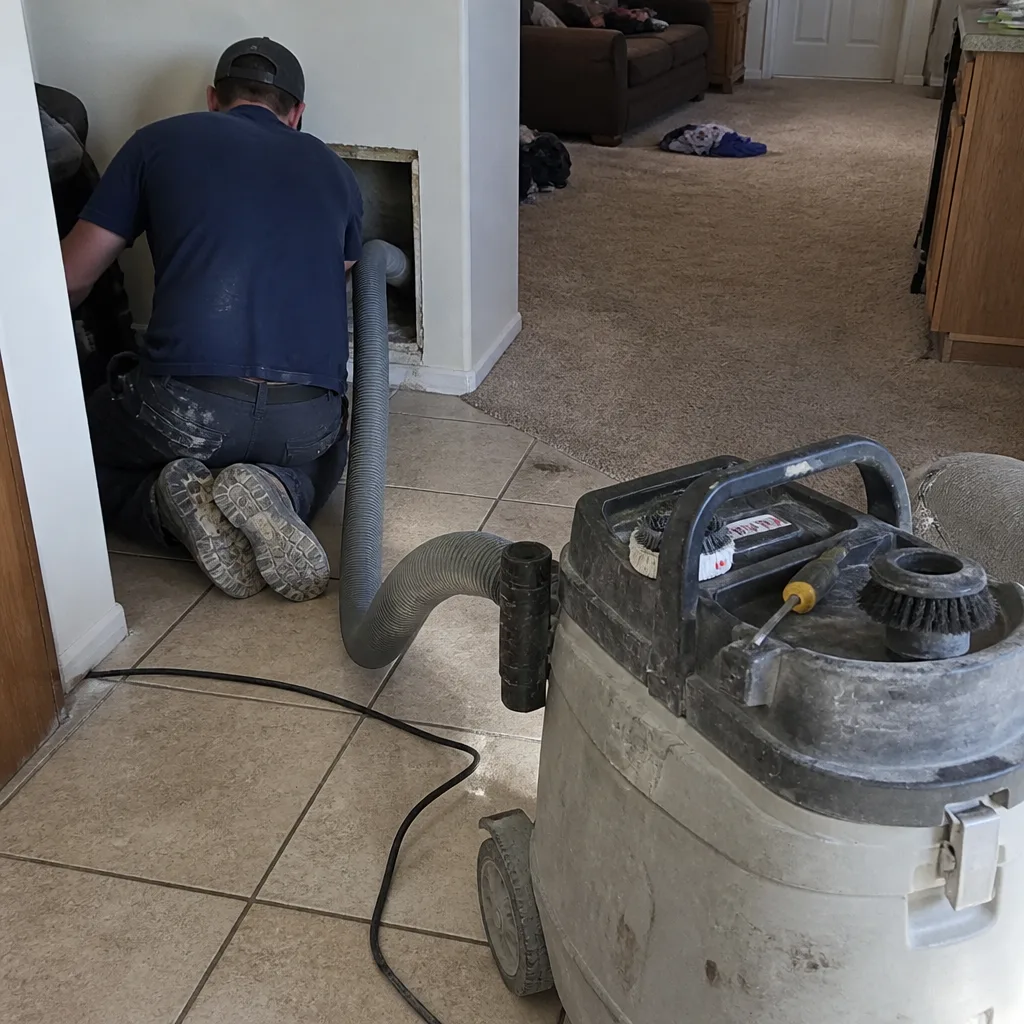 Before
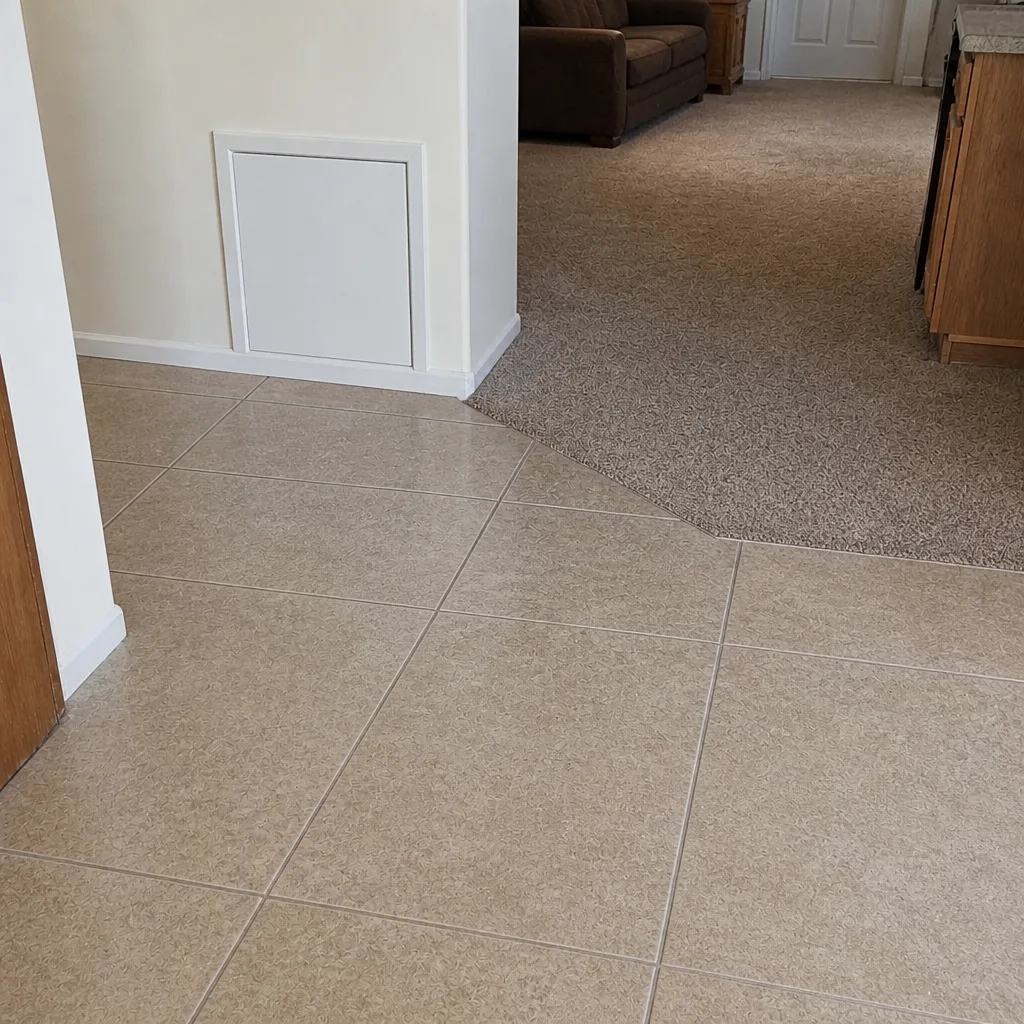 After
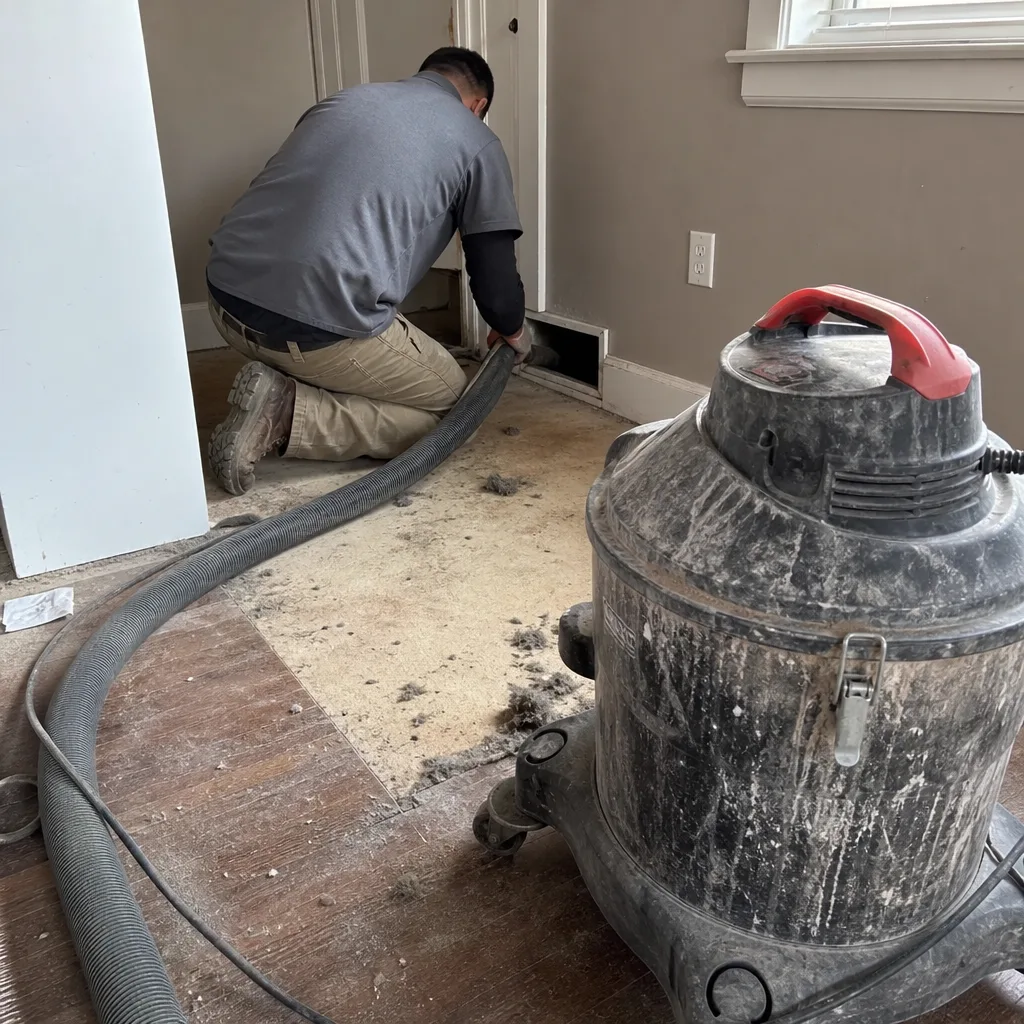 Before
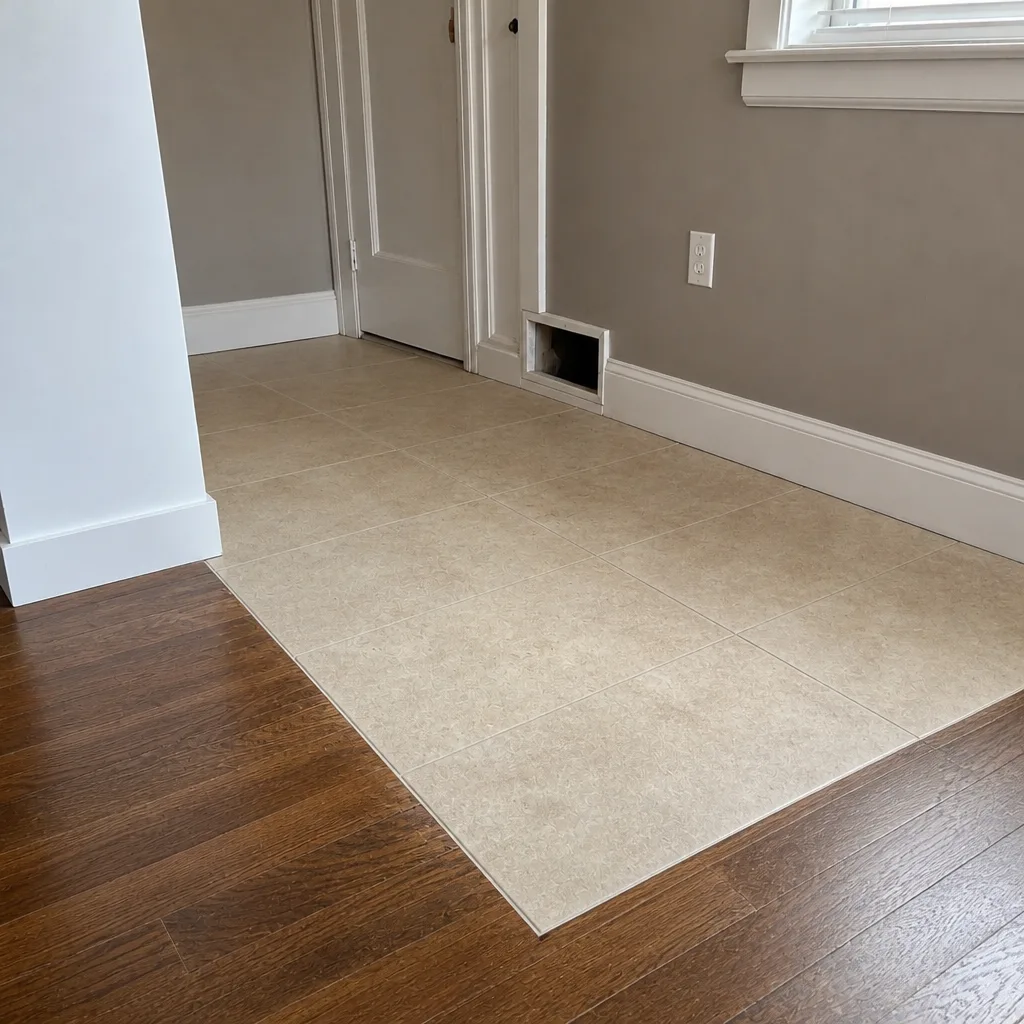 After
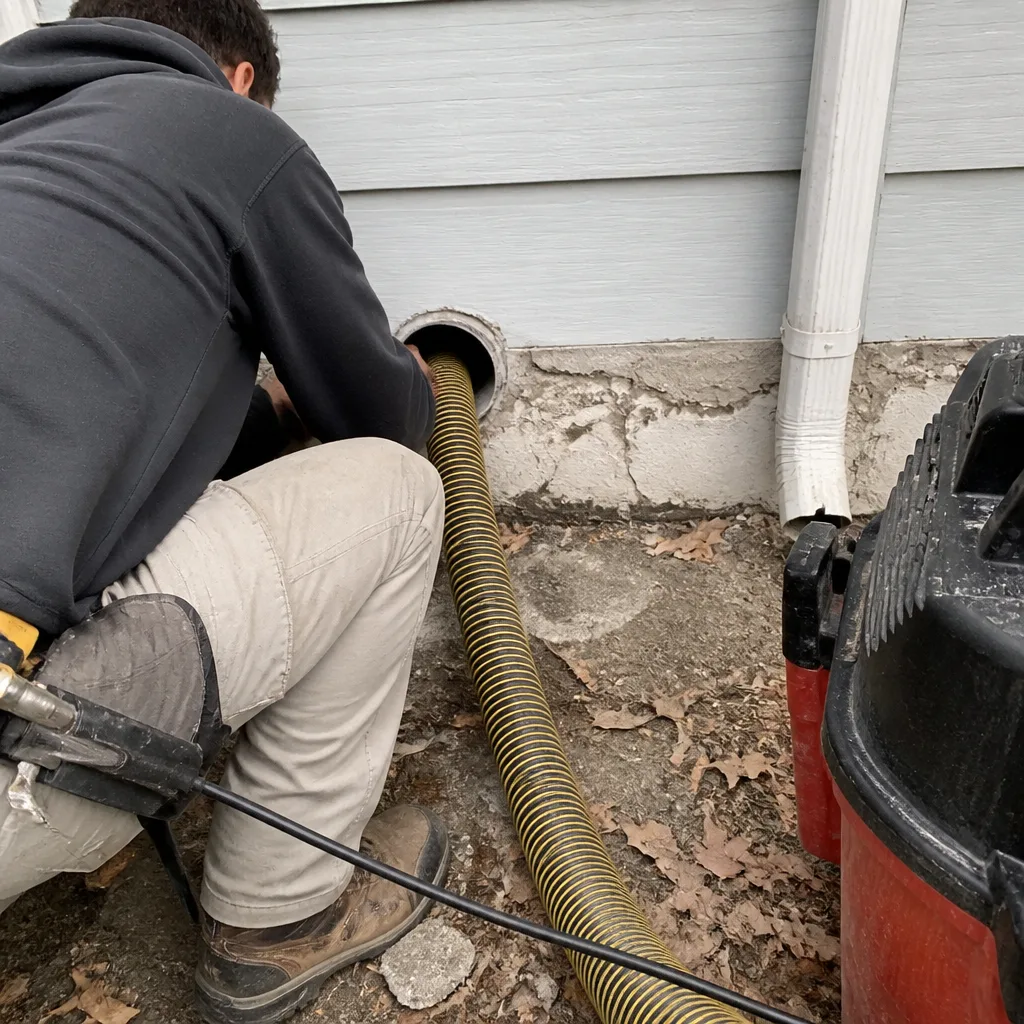 Before
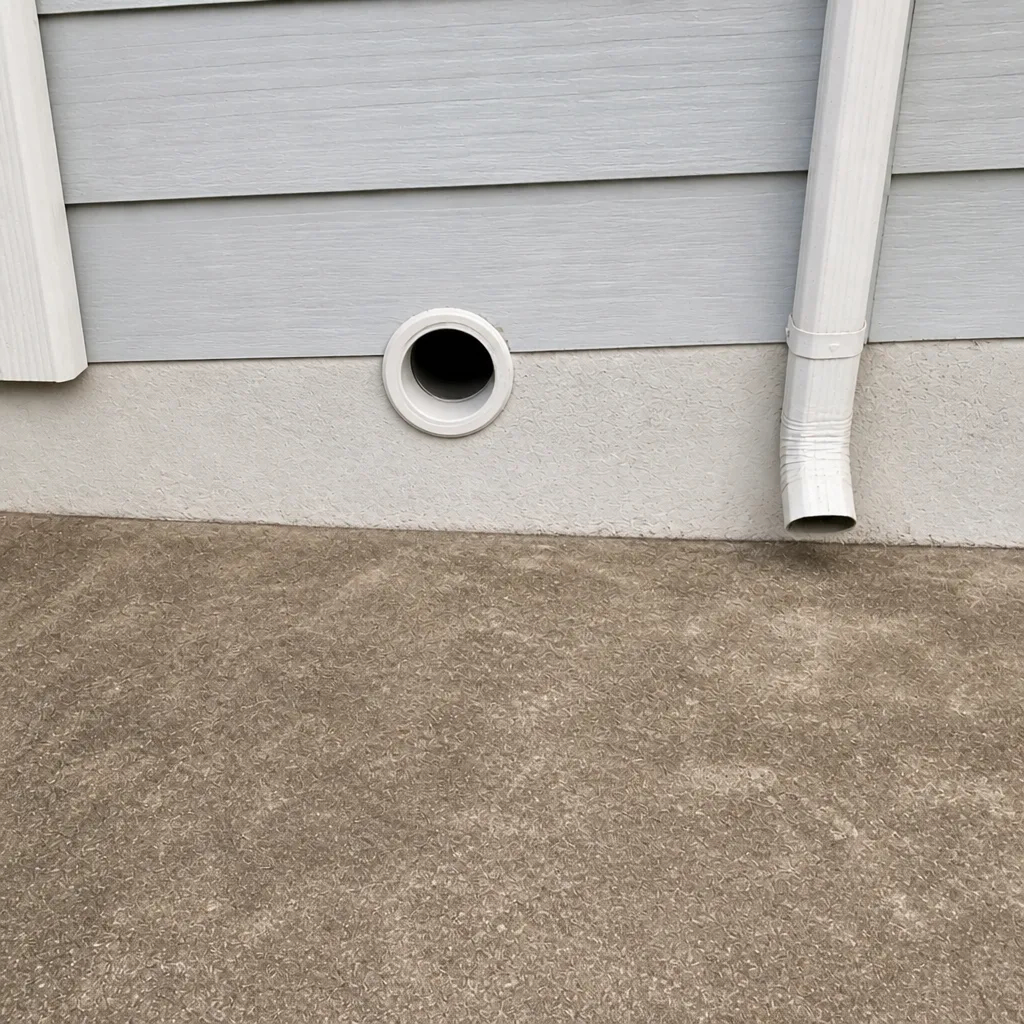 After
When to Call a Professional
Ductwork is worth a professional look when the symptoms point at the system rather than the room. Uneven heating or cooling that persists across seasons, musty odors that get stronger when the system runs, visible dust streaks around registers, a dryer vent that’s been untouched for over a year, or a visible disconnect in the attic or crawlspace are all worth a call. Homeowners planning a sale, property managers prepping for inspection, and anyone with an insurance claim tied to ductwork should call before the deadline rather than after. A trained technician diagnoses which side of the permit line the work falls on and walks the homeowner through the next step. Murray Air Duct Cleaning Pros offers free estimates in Murray – call (855) 658-3962. We answer 24/7. Fast dispatch from 7am to 7pm, Sunday through Friday. A call outside dispatch hours is booked into the next opening.
Frequently Asked Questions
No. Air duct cleaning that stays limited to removing debris through existing openings is maintenance and does not require a permit in Murray. Call (855) 658-3962 for a free estimate.
Duct repair or modification – installing permanent access panels, replacing duct runs, reconnecting disconnected trunks, or altering a return plenum – can require a mechanical permit through Murray City’s building department. The license to pull it belongs to a licensed mechanical contractor, and the first step is always calling the city to confirm the scope. Call (855) 658-3962 for a free estimate.
Possibly. Reconnecting a disconnected duct, sealing a trunk, or installing access into a plenum can be a mechanical modification. Whether a permit is required depends on the scope of the reconnect and the city’s review – ask Murray City’s building department before work begins. Call (855) 658-3962 for a free estimate.
Pricing for a whole-system cleaning in Murray depends on square footage, the number of systems and the condition of the ducts, and it’s set as one flat price per system in a written estimate before any work begins – never as a per-vent quote. Get the written scope and price first. Call (855) 658-3962 for a free estimate.
Yes. Visible duct damage, disconnected runs in the attic or crawlspace, and evidence of moisture inside ductwork are exactly what a home inspector flags, and Utah’s seller disclosure asks about known HVAC defects. That’s why we recommend a professional assessment before listing, so the condition is documented and disclosed rather than discovered. Call (855) 658-3962 for a free estimate.
Ask for the written scope, before-and-after photos of your own ducts, and the permit and final inspection record if the scope required one. If the work added or altered anything, the sealed joint should look clean and finished – not taped over and rushed. The paper trail plus a close visual check is what most homeowners rely on. Call (855) 658-3962 for a free estimate.
The Bottom Line
Cleaning your ducts in Murray doesn’t need a permit. Repairing or modifying them might, and knowing which side of that line a job sits on is the difference between a clean record and expensive re-work. The Utah State Mechanical Code regulates alteration and repair of duct systems, Murray City’s own building department handles the permit, and the contractor pulling it needs a mechanical license. Ask the five permit-readiness questions before anyone cuts into your ductwork. Get a written scope, photos and the inspection record when the work closes out. Keep the file, whether you own, rent or manage the property. Breathe the difference a properly documented job makes.
Written by the team at Murray Air Duct Cleaning Pros.