
Last updated November 24, 2026
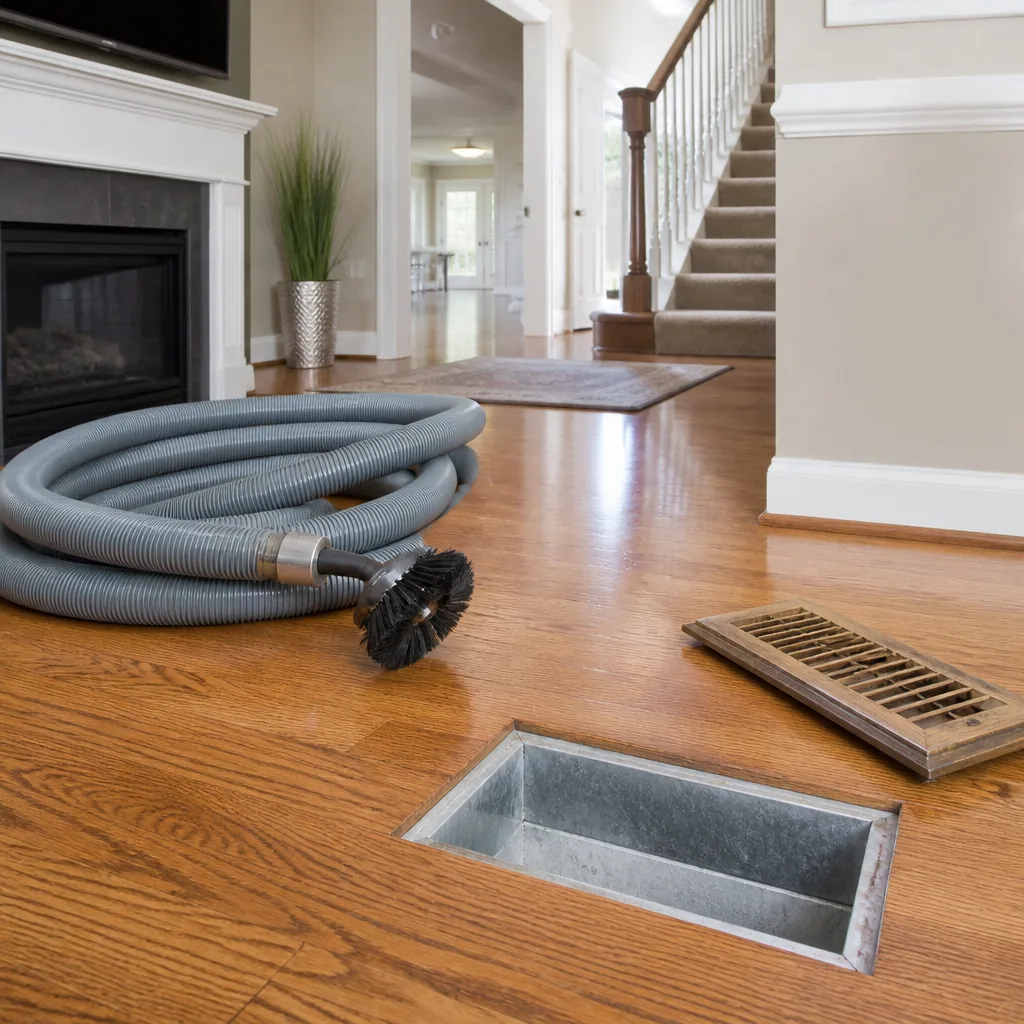 Whole-home duct cleaning
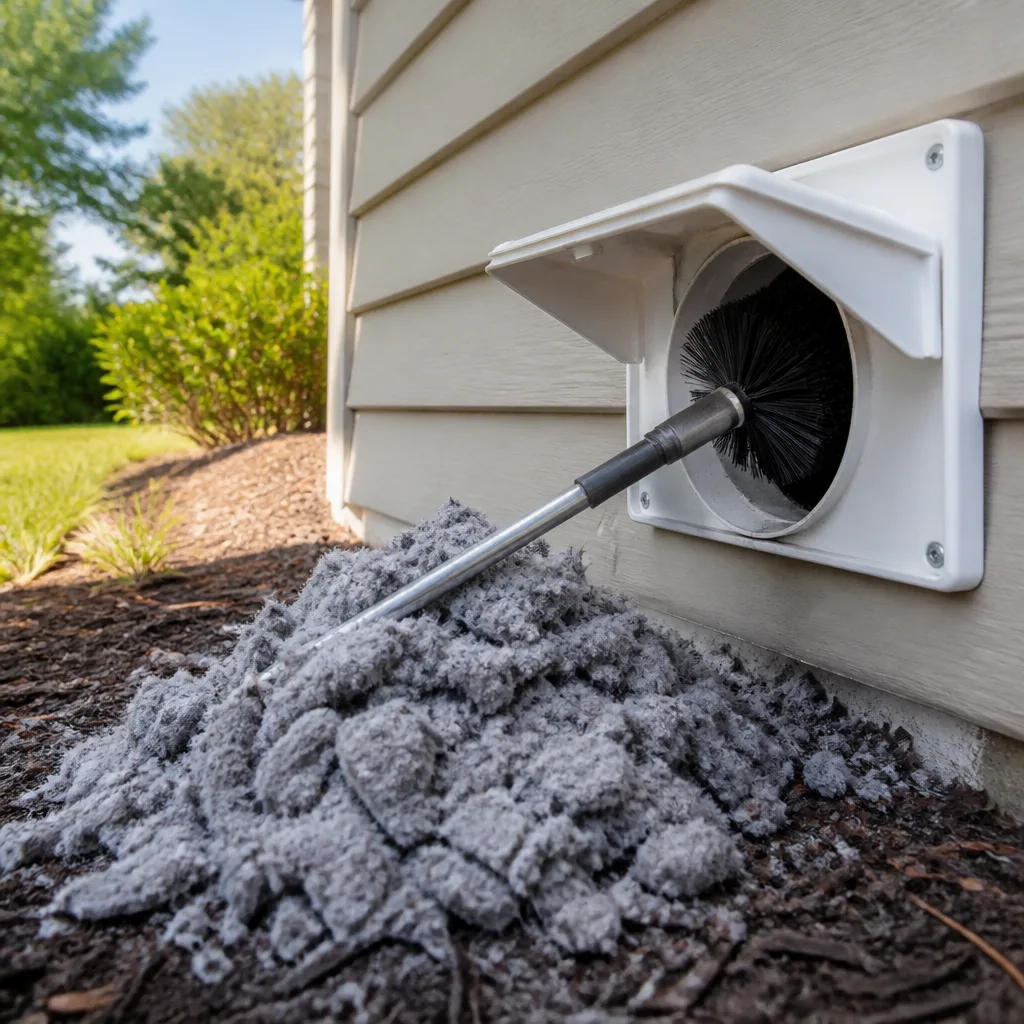 Dryer vent cleaning
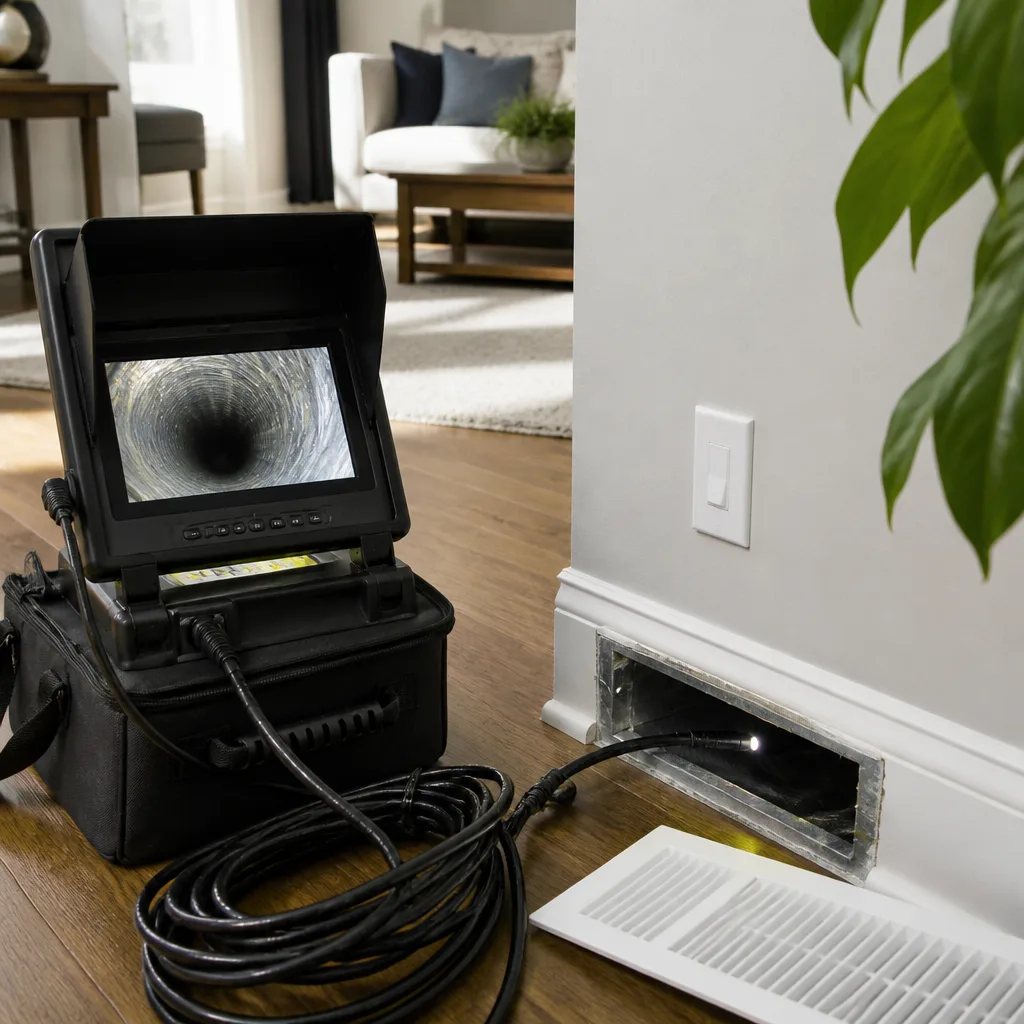 Camera inspection
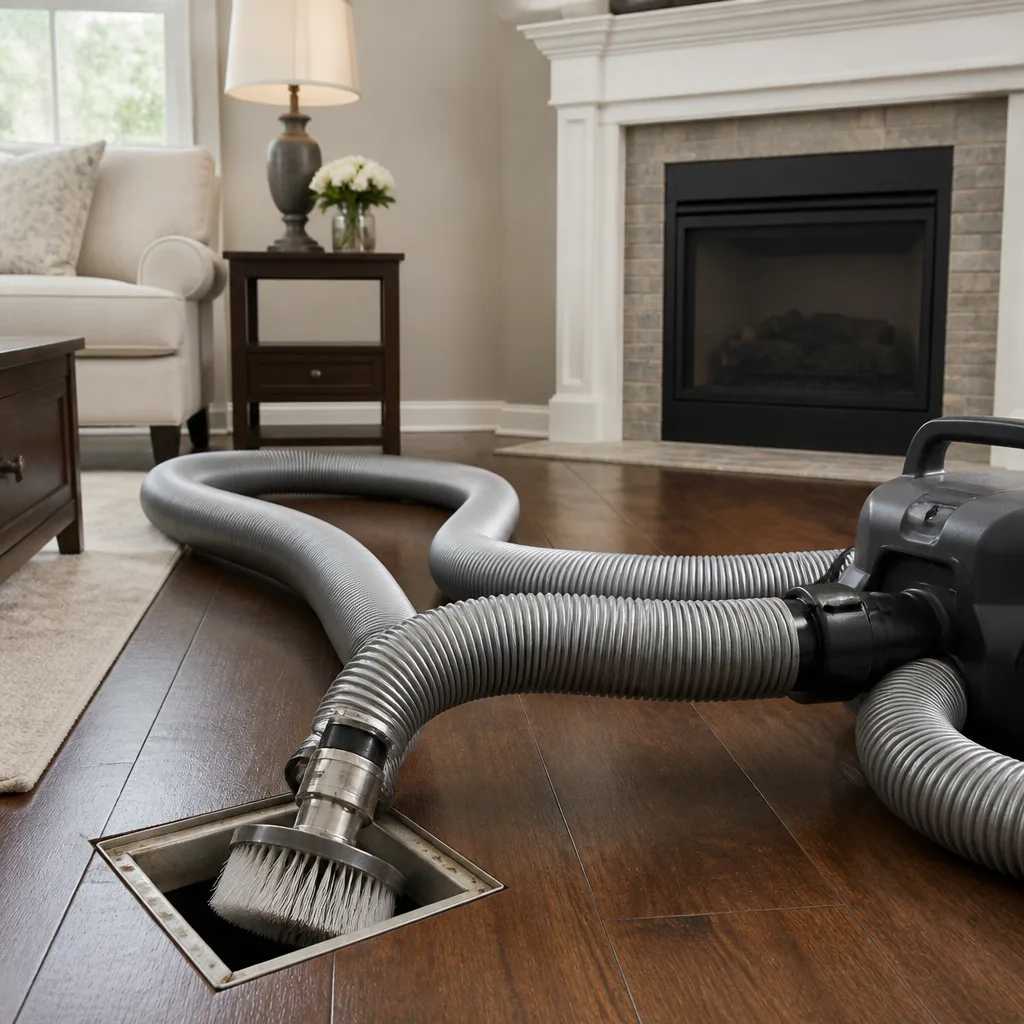 Sanitizing & deodorizing
Whole-system duct and dryer vent check with before-and-after photos - you see exactly what came out of your vents
That "$99 whole-house special" is a bait ad - the real number appears once they are in your hallway, or the "clean" is a shop-vac at the register. We photograph the inside of your ducts before and after instead.
DIY vs Professional Air Duct Cleaning: The Murray Homeowner’s Decision Guide
Here’s the part most homeowners never hear: duct cleaning isn’t limited by how hard you scrub. It’s limited by airflow. A consumer-grade vacuum attached to a duct register moves about 90 to 150 cubic feet per minute. A truck-mounted professional unit moves 10,000 to 16,000 CFM. That’s not a matter of degree. It’s the difference between stirring dust loose and actually pulling it out of the system. The equipment needed to create real negative pressure costs somewhere between $10,000 and $30,000, which is why rental units can’t replicate it, and why a shop vac hooked to a floor vent can send compacted debris deeper into the run rather than out of it. In this guide, we’ll walk through the physics, the legitimate DIY work, the cases where a DIY attempt makes things worse, and how to decide what your Murray home actually needs.
Quick Answer
DIY air duct cleaning is not effective for the actual interior of the duct system, because consumer vacuums and rental units can’t generate the negative pressure required to extract debris. A homeowner can reasonably handle register cleaning, filter changes, and dryer vent lint traps, but real duct cleaning in Murray requires professional-grade equipment like the Rotobrush and Nikro systems we use. Skip DIY for anything inside the ducts themselves and save the effort for prep work.
Styles & brands we work with
- Whole-home duct cleaning
- Dryer vent cleaning
- Camera inspection
- Sanitizing & deodorizing
Table of Contents
- The Physics of Source Removal: Why CFM and Static Pressure Decide the Outcome
- What You Can Legitimately Do Yourself (and What to Leave Alone)
- When a DIY Attempt Makes the Next Professional Job Harder
- The Cost Question: What DIY Actually Saves and What It Doesn’t
- Why Flex Duct in Older Murray Homes Changes the Rules
- How to Tell If Your Ducts Actually Need Cleaning
- What to Do Immediately Before a Professional Arrives
- How to Decide for Your Household
The Physics of Source Removal: Why CFM and Static Pressure Decide the Outcome
Air duct cleaning is a source-removal process. The goal is to dislodge accumulated debris from the interior surfaces of the duct and pull it out of the system entirely, not to push it around or redistribute it. That requires two things working together: enough agitation to break debris loose, and enough negative pressure at the source to capture it before it settles again.
CFM, or cubic feet per minute, measures how much air the equipment moves. Static pressure measures the resistance inside the duct run. In a typical residential system, the duct network isn’t a straight shot; it’s a tree of branches with elbows, reducers, and transitions. Each of those creates resistance. A consumer vacuum attached to one register barely moves the needle on static pressure, which means it can’t overcome the resistance in a run more than a few feet away from where it’s connected.
Professional truck-mounted units solve this by pulling from a central access point while running compressed-air whips and rotary brushes through each branch. The combination is what matters:
- The truck unit creates the negative pressure that holds the whole system under vacuum.
- Rotary agitation tools like the Rotobrush system break compacted debris off the duct walls.
- HEPA filtration on the collection side captures the debris rather than exhausting it into the home.
- Contact vacuuming with a Nikro unit handles accessible areas like plenum surfaces and register boots.
That’s why we don’t promise results from a shop vac and a brush on a drill. The tooling isn’t a marketing detail; it’s the entire mechanism by which debris leaves the system. When Murray Air Duct Cleaning Pros runs a job, we’re using purpose-built equipment that commercial and restoration contractors also rely on. Consumer rentals aren’t in the same category.
What You Can Legitimately Do Yourself (and What to Leave Alone)
We’re not going to tell you that everything about indoor air quality requires a phone call. Plenty of maintenance belongs to the homeowner, and doing it well actually extends the life of the system and reduces the size of a future professional job. Here’s the split we recommend.
Do yourself:
- Change HVAC filters on schedule. In Murray, that’s typically every 60 to 90 days, more often during high-pollen stretches in spring and during the heating season when the system runs hard. Use the filter rating your system’s manufacturer specifies.
- Wipe down supply and return registers with a damp cloth. The grille surface collects dust and cooking oils; cleaning it costs nothing and keeps visible buildup down.
- Clear the dryer vent lint trap before every load. This is the single most valuable DIY step in the whole house, because lint accumulation in the trap and vent is a real fire risk. We handle the vent run itself through dryer vent cleaning, but the trap is yours to keep clear.
- Do a visual inspection of accessible ductwork. If you can see inside a return boot or a basement run with a flashlight, look for visible debris, pest activity, disconnected sections, or tape coming loose. Take a photo. It’s useful information for whoever evaluates the system.
- Keep the mechanical closet and return air path clear of stored items. Blocked returns force the system to work harder.
Leave alone:
The interior surfaces of duct runs. Consumer vacuum attachments don’t reach them effectively, and pushing a shop vac hose into a duct can dislodge debris without capturing it. Same goes for anything involving the air handler cabinet, the evaporator coil, or gas connections; those are professional territory.
When a DIY Attempt Makes the Next Professional Job Harder
There’s a misconception that a bad DIY attempt is wasted effort but harmless. That’s not always true. In specific scenarios, a homeowner attempt can genuinely complicate the next professional job, and we’ve seen it happen most often in two places.
Flex duct in older Murray homes. A lot of the housing stock around Murray dates to mid-century construction, and flex duct was a common retrofit. Flex duct has a corrugated interior lining that traps debris in the ridges, and that lining is thin. Pushing a rigid brush or a shop vac hose attachment through a flex run can tear or abrade the lining, which creates a breach that leaks conditioned air into unconditioned space. Once the lining is compromised, the duct isn’t just dirty; it needs repair. That’s a bigger job than cleaning, and it’s why we handle Murray Air Duct Cleaning Pros service with equipment that’s calibrated to the duct type rather than a one-size approach.
Pushing contamination deeper. If a homeowner runs a shop vac on blow mode through one register hoping to clear a clog, the debris has to go somewhere. In a system with a negative-pressure imbalance, the most likely destination is deeper into the branch runs or into the air handler cabinet itself. That converts an accessible surface-cleaning job into a coil-cleaning job, which is a different scope.
Damaging duct tape and mastic seams. HVAC tape over seams in a basement or crawlspace run isn’t structural, but it seals. Homeowners who get aggressive with a shop vac around a seam can peel it back, which opens a leak. If you notice a loose seam during your visual inspection, note it and mention it during the estimate.
- Torn flex duct lining: usually requires repair, not just cleaning.
- Debris redistributed into the air handler: expands the scope to HVAC cleaning.
- Peeled duct tape or damaged mastic: opens a leak that reduces system efficiency.
None of these are catastrophic, but they all cost more than skipping the DIY step in the first place.
The Cost Question: What DIY Actually Saves and What It Doesn’t
Here’s the honest math. A homeowner who rents a shop vac and buys brushes and a HEPA filter bag might spend somewhere in the range of $100 to $200 on the attempt. A DIY guide online will often frame the savings against a full professional job at $400 to $800 more, and that framing is fair as far as the number goes. What it leaves out is the outcome gap.
That $400 to $800 difference doesn’t buy more thorough brushing. It buys the airflow capacity to actually extract debris, the tooling to break it loose without damaging the duct, and the filtering to keep it out of your living space. In our experience, that gap matters a lot in some households and less in others. Here’s how we’d frame the decision:
- The gap matters most if someone in the home has asthma, seasonal allergies, or a respiratory condition that flares indoors. In Murray, our dry, dusty summers and inversion-season winters both put real load on indoor air quality, and the filtrate that collects in ducts is the same material those households are sensitive to.
- The gap matters most if the home has recently had a remodel, a pest issue, or water damage. Drywall dust and mold spores don’t respond well to partial extraction.
- The gap matters most if you’re planning to replace or upgrade HVAC filters. Pairing cleaning with a proper filtration setup, like the Honeywell and Aprilaire options we work with, gets you durable results rather than a one-time visible improvement.
- The gap matters less if the ducts were cleaned within the last few years and you’ve been diligent about filters. In that case, register cleaning and dryer vent maintenance may genuinely be all you need until the next cleaning interval.
Keep in mind that cost varies by system size, number of registers, duct material, and access. Any quote you receive should be a written estimate that sets the final price, not a range that creeps upward once a technician is on site.
Why Flex Duct in Older Murray Homes Changes the Rules
Murray’s housing stock is a mix: mid-century ranches, older bungalows, and newer builds in the same neighborhoods. That mix matters for duct cleaning because duct material determines the tooling and the care level required.
Sheet-metal duct with proper seams responds well to rotary agitation. Flex duct does not. The interior liner is corrugated, which increases surface area and traps debris in the ridges, and it’s thin enough that aggressive mechanical agitation can abrade it. Rickety flex runs that were originally under a mobile or semi-permanent installation and later enclosed are the most fragile: they were never designed for years of exposure to dry air and summer heat cycling.
In our experience, the right approach on flex duct is:
- Identify the duct type before any tooling goes in. A visual inspection at the registers and any accessible plenum points reveals what’s actually there.
- Use HEPA contact vacuuming and gentler agitation on flex runs, reserving higher-pressure rotary work for sheet-metal branches.
- Check the liner for existing tears before cleaning. If a run is already compromised, cleaning will only redistribute debris. It needs repair, and we handle duct repair and sealing as part of the same visit.
- Verify seals and connections after cleaning, and re-tape or mastic any seams that were compromised by the work or by age.
This is also why sanitizing matters in older homes. Abatement Technologies and Guardsman products are part of our toolkit for contaminant control after cleaning, which is different from a decorative fog. On ducts that have held mold spores or pest residue, cleaning alone is only half the job.
How to Tell If Your Ducts Actually Need Cleaning
Plenty of duct cleaning marketing pushes urgency that isn’t there. Ducts don’t need cleaning on a fixed calendar; they need it when there’s evidence. Here are the signs that reliably point to a cleaning being worthwhile:
- Visible dust or debris blowby at registers when the system runs.
- Musty or stale odor that appears when the HVAC cycles on and fades when it’s off.
- Uneven airflow between rooms, particularly if the imbalance has gotten worse over a season.
- Increased allergy symptoms indoors, especially in the room where the return is located.
- Recent renovation, pest activity, or water intrusion that could have introduced debris.
- Energy bills drifting upward without a clear cause from equipment or thermostat changes.
Some sources also cite a general interval of three to five years for a full cleaning in typical homes. That’s a reasonable benchmark, but the better guide is your household’s context. In Murray, high summer pollen and winter inversion periods both add load, so a household with allergies may want to be more attentive than a household without.
If you’re not sure, have it looked at. A proper inspection can tell you whether cleaning is warranted or whether the answer is register cleaning and filter discipline for another year.
What to Do Immediately Before a Professional Arrives
Prep work reduces job time, which can reduce cost, and it makes the technician’s job easier. These steps are worth doing in the day or two before a scheduled cleaning:
- Clear access to the furnace, air handler, and main return. Move boxes, holiday bins, and anything blocking the mechanical closet.
- Note the location of every register and return in the home. Include any in garages, basements, or finished additions that a technician might not find on a walk-through.
- Write down your concerns. Uneven airflow in a specific room, a musty smell you notice only in the morning, an upstairs bedroom that never cools. These details focus the inspection.
- Change the HVAC filter right before the visit or have a fresh one ready. A clean filter is the natural handoff point after cleaning.
- Move fragile items and pets out of the immediate work areas. Even with HEPA containment, having a clear room helps.
- Mention any recent work: remodeling, pest treatment, water damage. Each of those changes how the job should be approached.
- Ask about equipment. A legitimate provider will tell you what they use. If the answer is vague or the quote is per-vent, ask for a written whole-system scope. Rotobrush and Nikro equipment, truck-mounted units, and HEPA filtration are all details you can ask about specifically.
None of this takes long, but it changes the visit from a generic sweep into a targeted job.
How to Decide for Your Household
The decision tree we’d use for a Murray home is simpler than it looks:
- If your ducts were professionally cleaned in the last few years and you have no new signs of buildup, stick with register cleaning, filter changes, and dryer vent maintenance.
- If you have visible blowby, musty odor, or allergy flare-ups indoors, skip the DIY attempt and get an estimate. The outcome gap matters here.
- If you’ve had a remodel, pest issue, or water intrusion, professional cleaning is worth it, and you may want to include sanitizing.
- If you have flex duct in older sections of the home, don’t push a shop vac hose into it. The risk of tearing the liner outweighs any short-term benefit.
In our experience, the households that get the most out of a cleaning are the ones who come in with a specific complaint and a clear picture of their system’s history. If you can describe what’s wrong, the visit can target it.
Common Mistakes to Avoid
- Believing a shop vac attachment can reach into the ducts. The hose is small, the run is long, and the resistance from elbows and flex corrugation absorbs most of the suction long before it reaches a distant register.
- Buying a “duct cleaning brush” kit as a shortcut. Rigid brushes on flex-duct lining can abrade the surface, and there’s no containment for the debris they loosen.
- Assuming a cheap coupon price reflects the job. In Murray, per-vent pricing is a common way to hold the headline number low and expand the invoice once a technician is on site. Ask for a flat, whole-system scope in writing before you book.
- Skipping the dryer vent because you’re focused on ducts. Dryer vent lint is a fire hazard separate from air quality, and the vent run needs professional attention even if the supply ducts were recently cleaned.
- Cleaning but not sealing. A duct with a disconnected section or a compromised seam re-contaminates itself quickly. Cleaning without repair is a temporary fix at best.
- Cleaning but not upgrading filtration. The system is only as effective as its filter. If you’re cleaning to improve indoor air quality, pair the cleaning with an honest look at filter rating and humidity control.
- Booking based on equipment you can’t verify. Ask what system will be used. “Professional vacuum” isn’t an answer; a specific truck-mounted or portable unit and a HEPA collection setup is.
See the difference
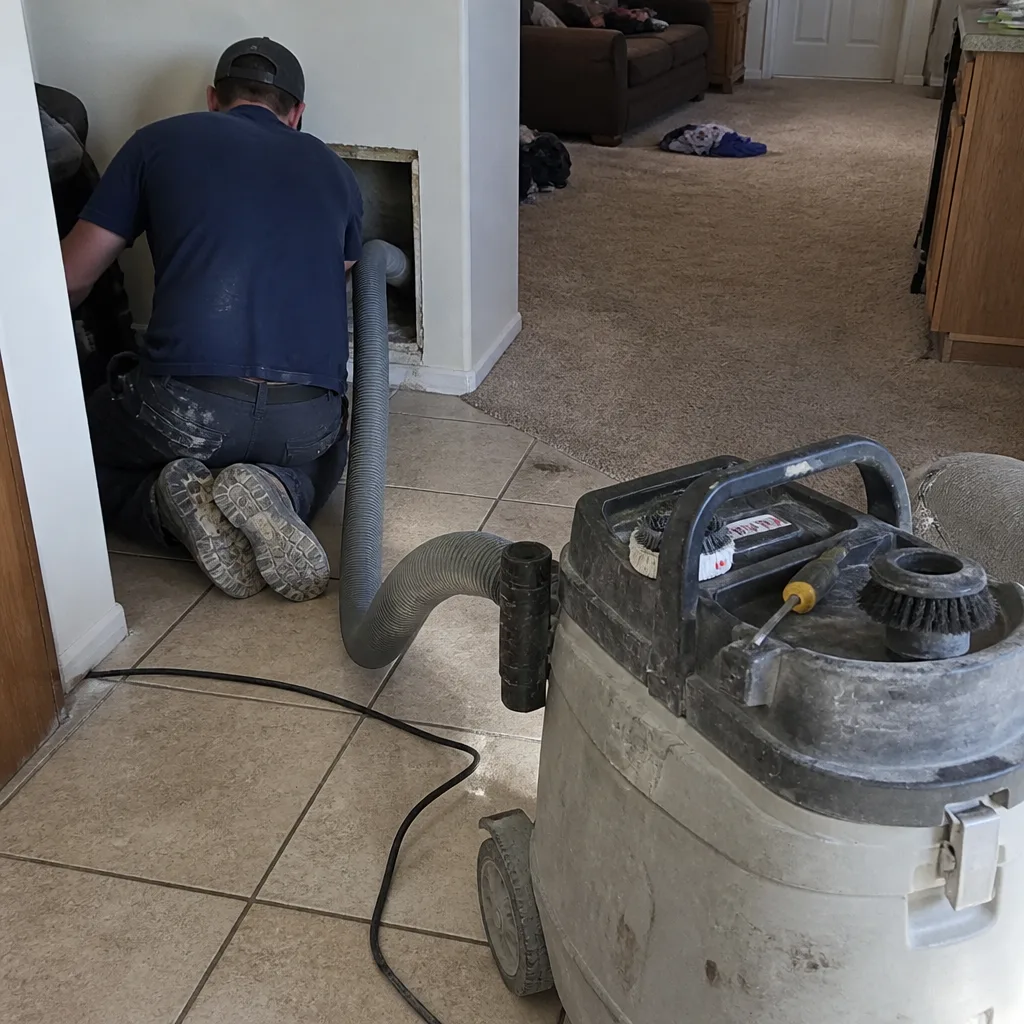 Before
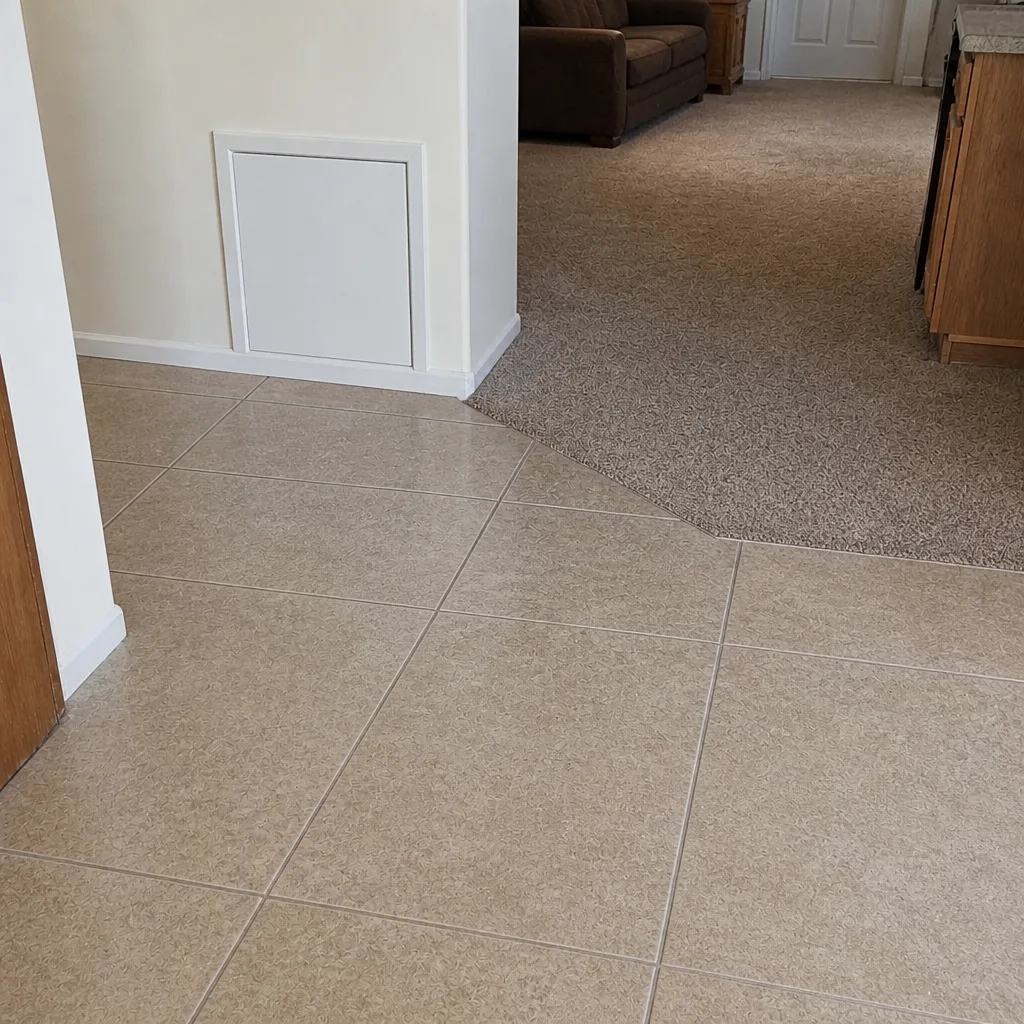 After
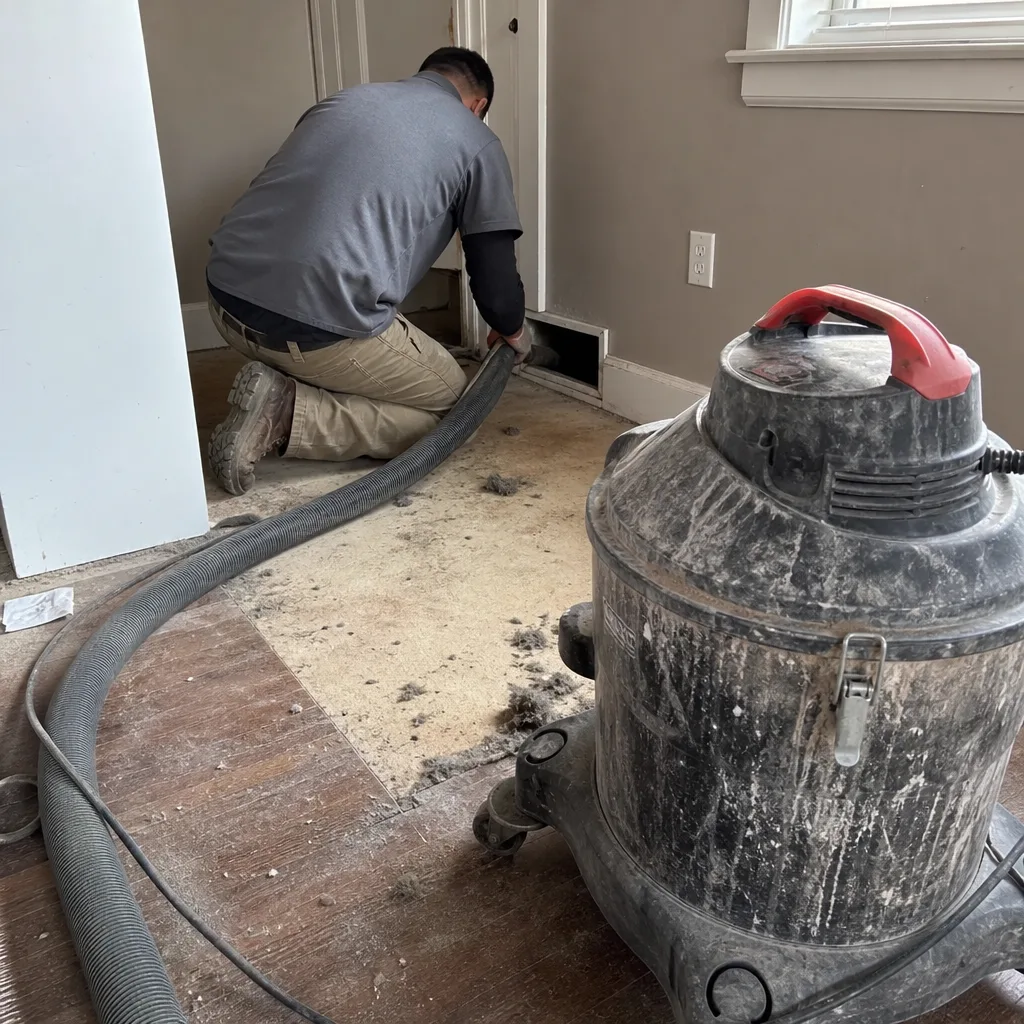 Before
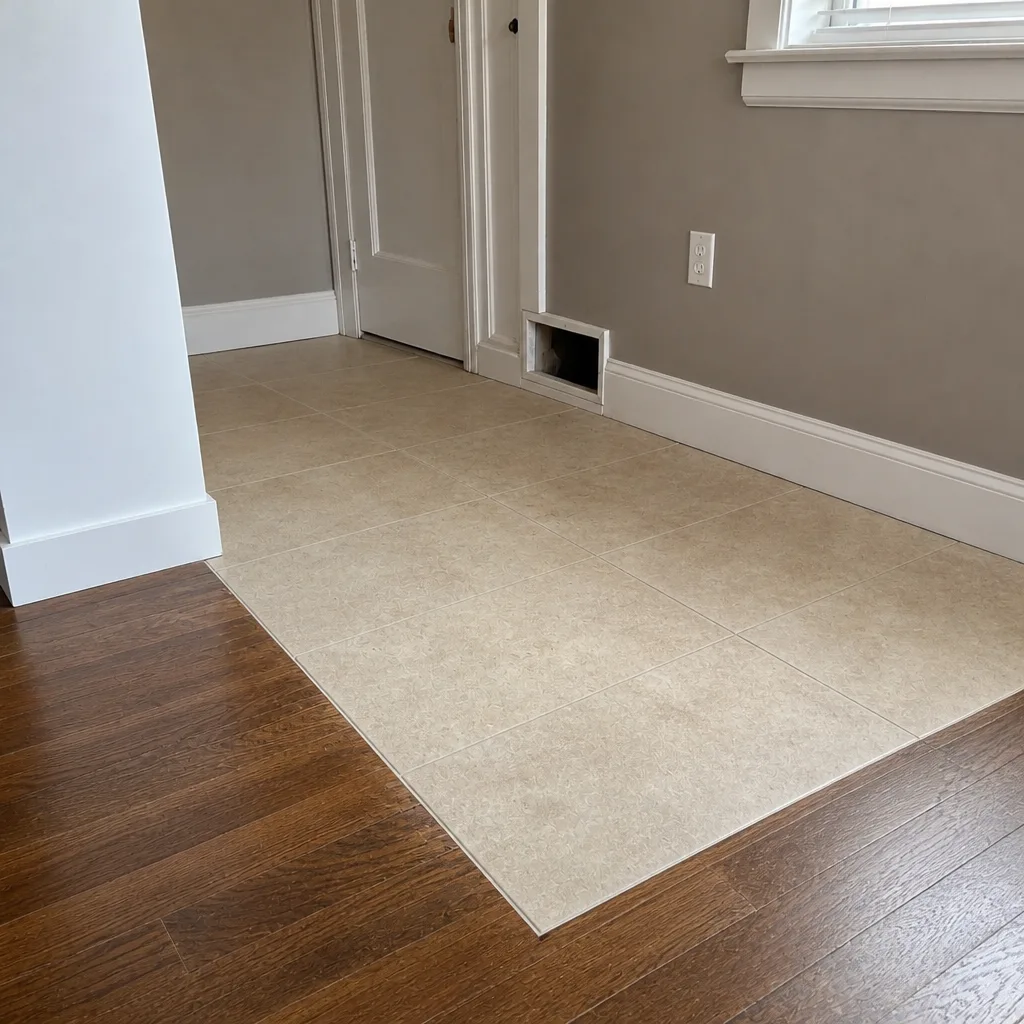 After
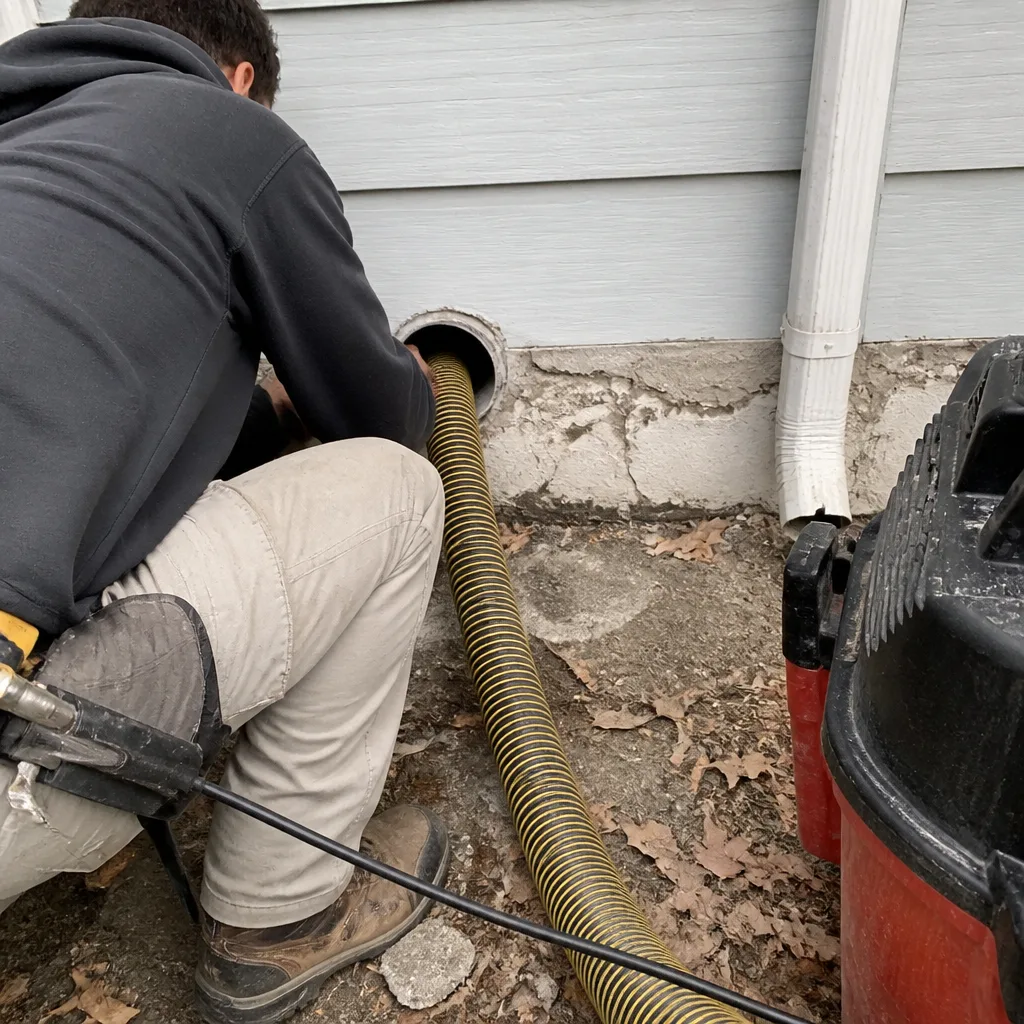 Before
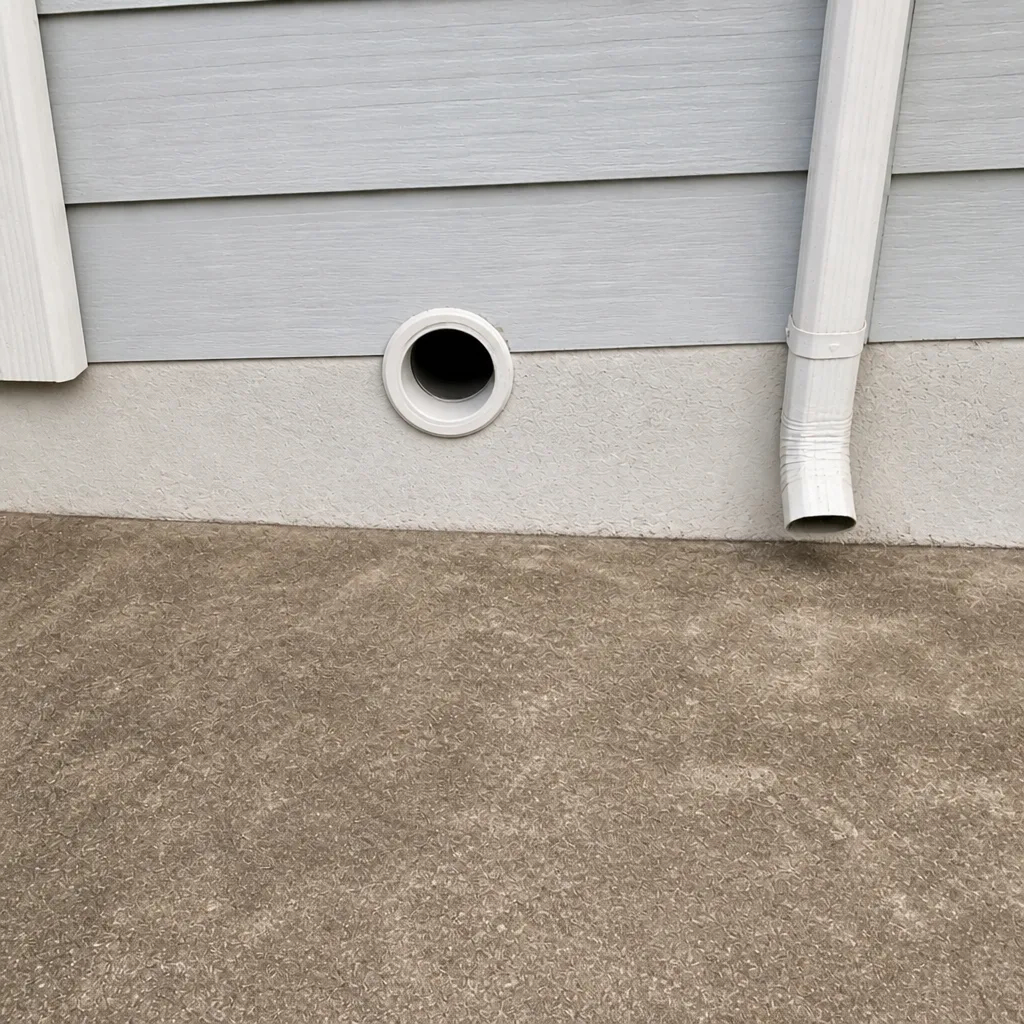 After
When to Call a Professional
Call a professional when a DIY attempt is likely to cost more than it saves: visible debris in the duct interior, musty odors tied to HVAC cycling, uneven airflow across rooms, or allergy symptoms that track with time spent indoors. It’s also the right call after a remodel, pest issue, or water event, and any time flex duct is involved, since a homeowner attempt risks liner damage that converts cleaning into repair. If your dryer vent hasn’t been inspected in recent years, that belongs on the same list. We can work with your insurer on any covered loss and pair the visit with a proper filtration review.
Murray Air Duct Cleaning Pros offers free estimates in Murray: call (855) 658-3962. We answer 24/7. Fast dispatch from 7am to 7pm, Sunday through Friday.
Frequently Asked Questions
No, a shop vac can’t effectively clean duct interiors. A consumer unit moves around 90 to 150 CFM, which isn’t enough to overcome the static pressure in a typical home’s branch runs. The agitation you’d need to break debris loose from the duct walls also requires tooling that doesn’t fit on a shop vac hose, and without proper negative pressure and HEPA containment you risk pushing the debris deeper into the system. Call (855) 658-3962 for a free estimate on a proper cleaning.
Most whole-system cleanings in the Murray area fall in the range of $400 to $800 depending on system size, number of registers, and duct material, with the written estimate setting the final price. That range buys more than a surface wipe-down: it covers equipment that creates real negative pressure, gentle tooling for flex duct, and HEPA containment. If a quote is dramatically lower, ask what’s being scrubbed and what’s being extracted before you book. Call (855) 658-3962 for an exact quote on your home.
Usually because the scope is different, not the price. Cheap quotes often come from per-vent pricing with a low headline figure that expands on site, or from cleaners who only pass a vacuum across accessible surfaces without touching the branch runs. The other common pattern is a truck with consumer-grade equipment dressed up as commercial. A legitimate estimate is a flat, whole-system scope in writing, with the equipment named. Call (855) 658-3962 and we’ll explain exactly what’s included before you commit.
Ask for before-and-after photos of your specific ducts, and be present at the start of the visit when the technician inspects and explains the scope. Ask what tooling will be used on the brittle flex runs versus the sheet-metal branches, and ask whether the collection setup has HEPA filtration. If the answer is vague on equipment or the scope isn’t written down, that’s a signal. Call (855) 658-3962 for an estimate with a clear written scope.
For most homes, every three to five years is a reasonable benchmark, but the honest answer is “when there’s evidence.” Visible blowby at registers, a musty smell when the HVAC cycles on, uneven airflow, or allergy flare-ups indoors all point to cleaning now rather than on a schedule. Homes with pets, recent renovations, or someone with respiratory sensitivities may want more frequent attention. Call (855) 658-3962 to talk through what your household actually needs.
We use Rotobrush and Nikro systems, which are purpose-built professional duct cleaning tools designed for commercial and restoration work rather than consumer use. Those are paired with HEPA filtration, contact vacuuming, and access tooling that reads the duct type before any agitation runs. For post-cleaning sanitizing and contaminant control we use Abatement Technologies and Guardsman products. For filtration and humidity, we work with honeywell and Aprilaire solutions. Call (855) 658-3962 to schedule an estimate.
The Bottom Line
DIY duct cleaning isn’t ineffective because homeowners lack capability. It’s ineffective because the physics don’t line up: consumer vacuums can’t create the negative pressure needed to extract debris from a residential duct system, and pushing a brush or shop vac hose into flex duct can make matters worse. The legitimate DIY work is register cleaning, filter discipline, lint trap clearing, and visual inspection. Everything inside the duct itself is professional territory, and in Murray’s mix of mid-century and newer homes, the right tooling matters more than the pressure applied. If you’re unsure, get a written estimate. The savings from DIY are real upfront; the air quality gap is real too.
Call (855) 658-3962. We answer 24/7. Fast dispatch from 7am to 7pm, Sunday through Friday.
Written by the team at Murray Air Duct Cleaning Pros.