
Last updated November 24, 2026
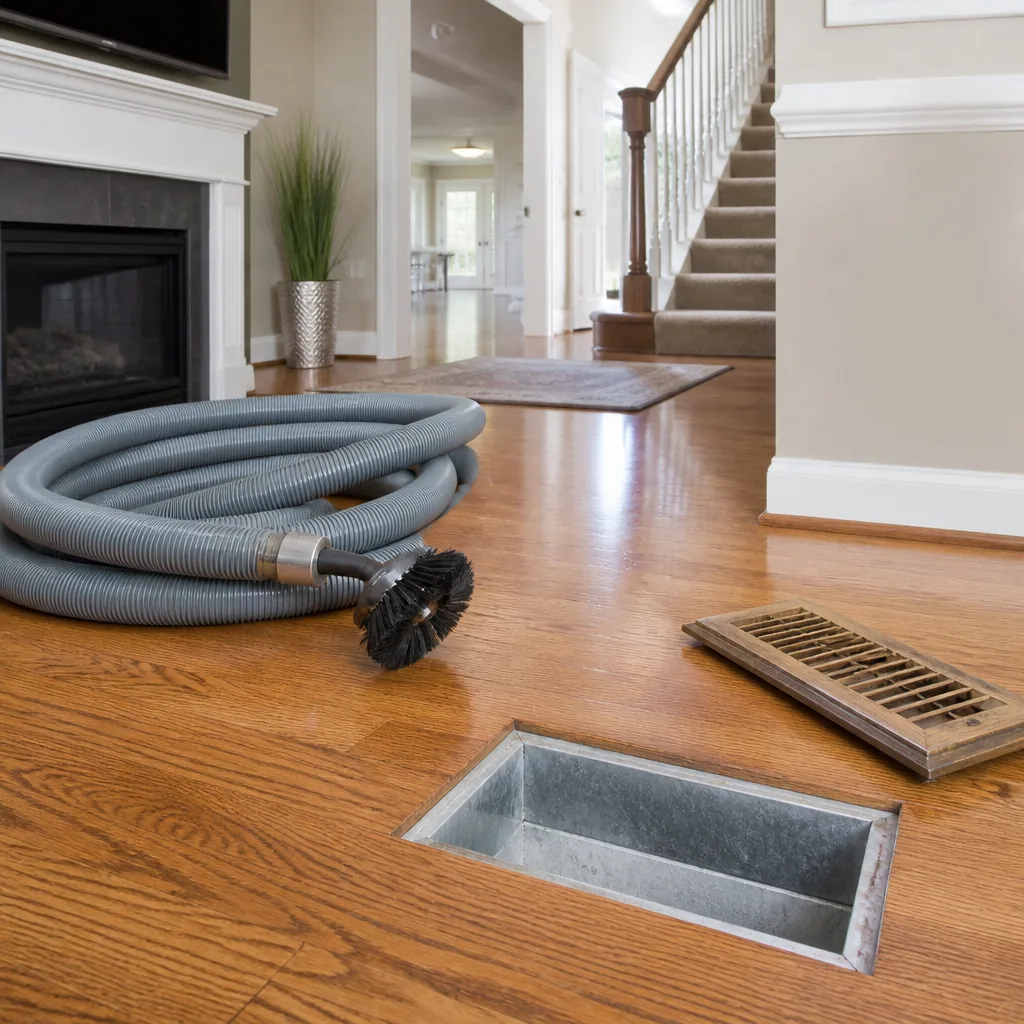 Whole-home duct cleaning
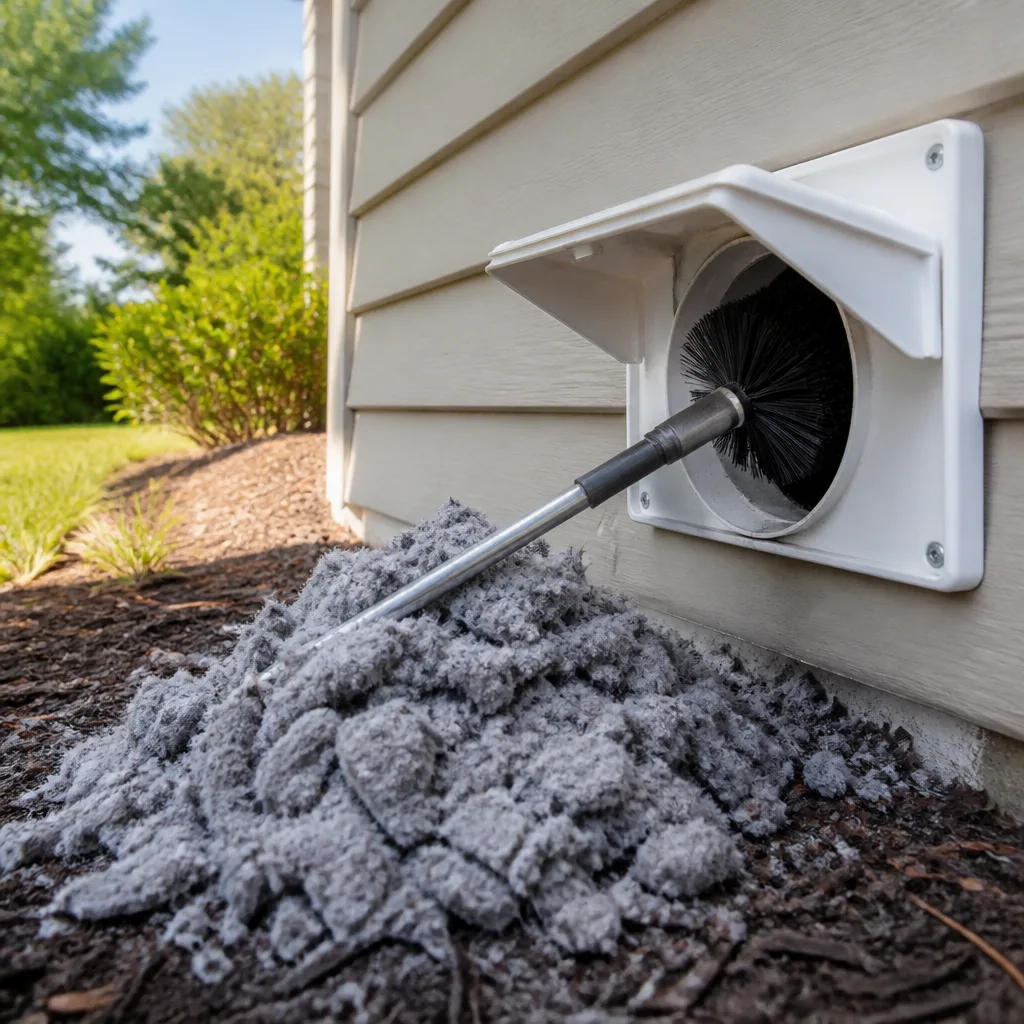 Dryer vent cleaning
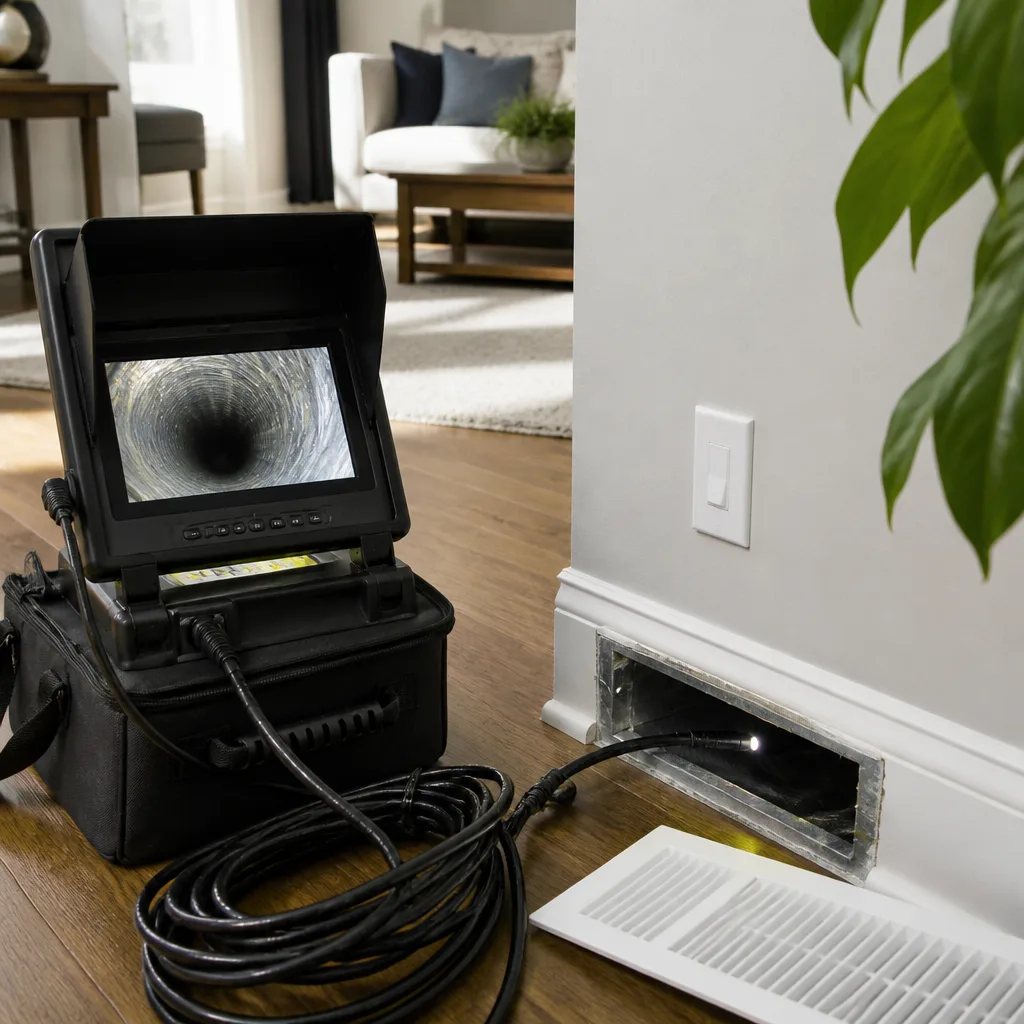 Camera inspection
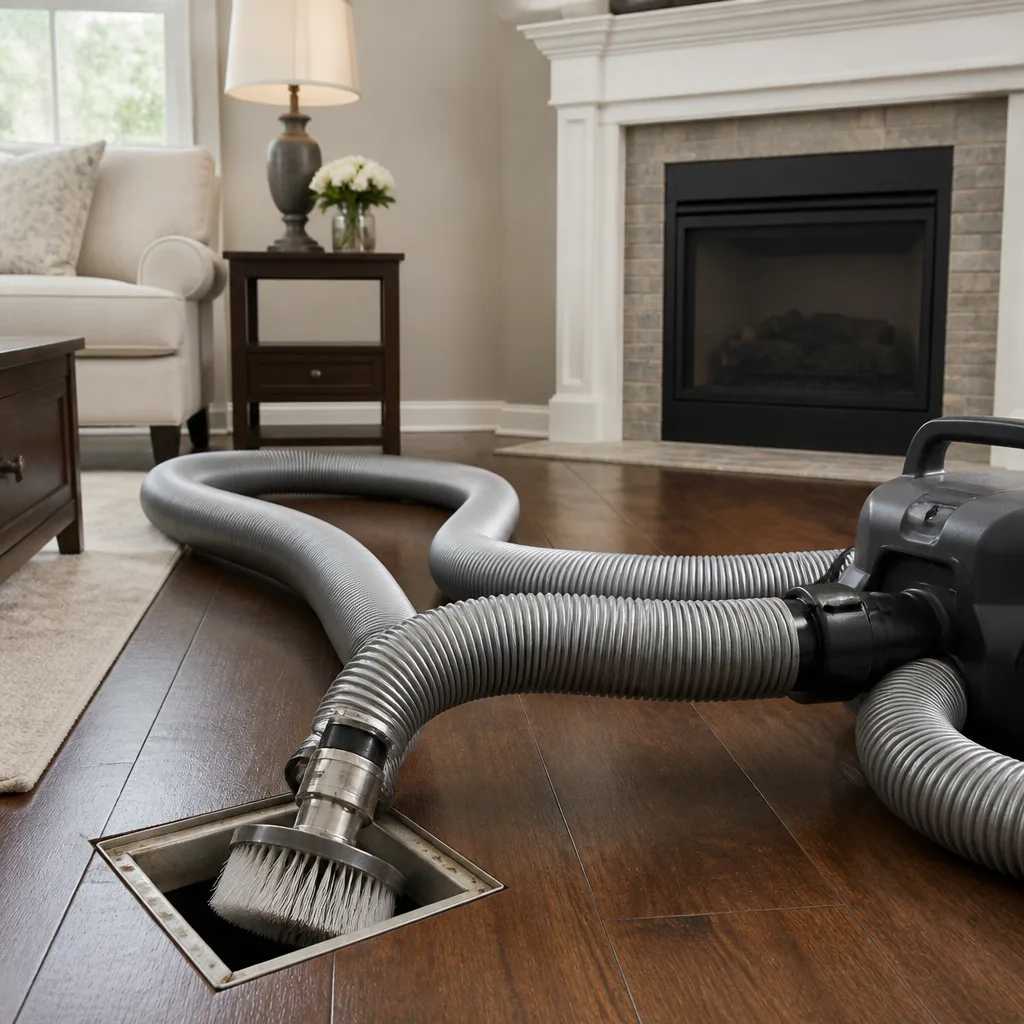 Sanitizing & deodorizing
Whole-system duct and dryer vent check with before-and-after photos - you see exactly what came out of your vents
That "$99 whole-house special" is a bait ad - the real number appears once they are in your hallway, or the "clean" is a shop-vac at the register. We photograph the inside of your ducts before and after instead.
The Complete Guide to Air Duct Cleaning in Murray
Here’s the part most people miss: cleaning only the ducts when the air handler and coil are still coated in dust can leave a home with dirtier air than before the job started. The cleaning dislodges debris sitting in the runs, and a dirty air handler pushes it straight back through the house. That’s why we treat a full system as a system, not a single service. In this guide, we’ll walk through what actually happens during air duct cleaning in Murray, why negative pressure matters more than any coupon price, what equipment tiers exist and what each one can and cannot remove, and how you can verify a job was done right with your own eyes. If you understand these things before you call anyone, you’ll make a better decision and get a better result.
Quick Answer
Air duct cleaning in Murray is a source-removal process that uses negative pressure and specialized equipment to pull accumulated dust, debris and contaminants from the entire HVAC system, not just the visible parts of the vents. A complete job covers the supply and return ducts, the air handler, the evaporator coil and the accessible ductwork, and it should include sealing any gaps that let new debris in. Professional-grade systems like Rotobrush and Nikro are built for this work; consumer shop vacuums are not. Pricing is set per system by a written estimate, and the final price should reflect the whole system, not a per-vent count.
Styles & brands we work with
- Whole-home duct cleaning
- Dryer vent cleaning
- Camera inspection
- Sanitizing & deodorizing
Table of Contents
- Why Murray’s High-Desert Climate Makes Duct Cleaning Different
- Negative Pressure: The Standard That Separates Real Cleaning From Surface Work
- What Equipment Tiers Can Do (And What They Can’t)
- Why the Air Handler and Coil Must Be Cleaned in the Same Session
- What a Completed Job Should Look Like on Inspection
- The Full-System Approach: Every Link in the Air Quality Chain
- A Step-by-Step Walkthrough of a Complete Cleaning
- Common Mistakes to Avoid
- When to Call a Professional
- Frequently Asked Questions
Why Murray’s High-Desert Climate Makes Duct Cleaning Different
Murray sits in a high-desert valley along the Wasatch Front, and the climate here creates a specific pattern of particulate buildup that homeowners in wetter parts of the country don’t deal with in the same way. Winters bring temperature inversions that trap cold air and fine particulate close to the ground for days at a stretch. During those inversions, outdoor air quality drops, and a home’s HVAC system is working harder to filter what comes in. Fine dust that settles in return ducts during an inversion tends to stay in the system, because there’s little humidity to help it clump and drain away.
Summers are dry and dusty, and that’s a second layer of the problem. Lawn and garden work, construction dust from surrounding areas, and ordinary windblown soil all contribute fine particles that find their way into return registers. In a sandy, alkaline soil environment like this one, that dust is abrasive. It coats the inside of ductwork, settles on blower wheels, and dulls the fine fins on an evaporator coil over time. When a system runs with a coated coil and a dusty blower, it loses airflow efficiency and can struggle to keep up on the hottest days. A HVAC cleaning visit that clears the coil and blower along with the ducts addresses that layer of buildup directly.
Homes in Murray tend to be tightly sealed compared to older stock elsewhere. That’s good for energy bills, but it also means the indoor air is mostly recycled air. Whatever is in the ducts stays in the breathable air. Households near busy corridors, or in neighborhoods close to commercial and industrial areas, tend to accumulate more particulate in a shorter time. If you’re noticing uneven airflow, dust settling on horizontal surfaces within a day of cleaning them, or family members with allergy symptoms that ease when they leave the house, the ductwork is a reasonable place to look first.
Negative Pressure: The Standard That Separates Real Cleaning From Surface Work
Negative pressure, sometimes called source removal, is the technique of putting the duct system under a vacuum so that as debris is dislodged from the walls of the ducts, it gets pulled toward a collection point instead of pushed into the rooms. It’s the single most important technical distinction in duct cleaning, and it’s the one most homeowners have never been told to ask about.
Here’s why it matters. Ducts are not smooth on the inside. Galvanized steel has seams, joints, and corrugated flex sections that trap debris in microscopic pockets. If you agitate dust without a pressure differential drawing it away, that dust becomes airborne. It travels with the airflow through the supply registers and into the rooms. A cleaning job without negative pressure can therefore look clean at the register and leave the home feeling dustier for days afterward.
The negative-pressure setup looks like this in practice:
- A high-powered vacuum unit is connected to the duct system at a single opening, usually where the main return attaches to the air handler.
- The whole system is sealed off so that the vacuum draws from the ducts, not from the rooms.
- Technicians work the ducts from each register and from the trunk line, using agitation tools to break loose caked-on debris while the vacuum is running.
- The debris travels into the collection unit and is removed from the home, not redistributed into it.
The pressure differential is what makes each step safe. Without it, step three would simply send dust everywhere. In our experience, homeowners who’ve had a disappointing cleaning done by a shop-vac setup describe exactly the failure mode negative pressure prevents: the house felt dustier for a week, and the registers looked no better than before.
What Equipment Tiers Can Do (And What They Can’t)
Not all duct-cleaning equipment is created equal, and the gap between tiers is wider than most people expect. Understanding what each tier can actually do makes the pricing differences between quotes much easier to read.
Consumer Shop Vacuums
A consumer wet/dry vacuum is what you’ll find at a hardware store. It’s useful for surface debris in a single register and for cleaning up around a home project. What it can’t do is generate enough sustained negative pressure to draw debris from a trunk line or dislodge material stuck to the sides of a long run. It also has no way to reach around elbows, transitions, or the length of a flex duct. A crew using a shop vac can wipe register covers and reach the first few inches of a run. That’s not a duct cleaning; it’s a cosmetic visit. If a quote is much lower than others, this is usually why.
Truck-Mounted and Trailer-Mounted Systems
Commercial-grade duct cleaning uses truck- or trailer-mounted vacuum units capable of moving hundreds of cubic feet per minute through the ductwork. That’s the volume of airflow required to keep the system under consistent negative pressure while technicians are agitating debris throughout the house. These units pair with rotary brush systems and air whips that reach every foot of a run. Rotobrush and Nikro are two equipment lines commonly used for this work, and they’re purpose-built for it: brush heads sized to fit different duct diameters, flexible shafts to reach around turns, and vacuum sources matched to the resistance of residential ductwork. When a company uses these tools, the system is under proper pressure the whole time. That’s the difference between clean ducts and agitated ones.
Why the Equipment Question Matters at the Quote Stage
Ask two questions when you’re comparing quotes: what vacuum system will be used, and whether it’s mounted on the truck or trailer or brought inside as a portable unit. If a crew can’t tell you, or if the answer is a portable shop vac, the price reflects what you’re getting. A Murray Air Duct Cleaning Pros visit uses professional-grade equipment on every job, which is why our pricing is quoted per system by a written estimate rather than by a low teaser number that changes on-site.
Why the Air Handler and Coil Must Be Cleaned in the Same Session
The air handler is the engine of the system. Every cubic foot of air in the house cycles through it, and the evaporator coil and blower wheel are where the dust from your ducts tends to concentrate. Cleaning the ducts but not the air handler is like mopping a floor and then walking across it with muddy boots. The ducts get recontaminated almost immediately.
Here’s the mechanism. The blower wheel is a centrifugal fan with many narrow blades. When it’s coated in dust, it loses air volume and can become unbalanced, which stresses the motor. The evaporator coil is a dense fin-and-tube assembly. Dust and debris pack into the fins and reduce heat transfer, which makes the system run longer and less efficiently. If the ducts are cleaned but the coil and blower are left dirty, every time the system runs it pushes fine particulate from those components back into the ductwork. Within a few weeks, the ducts you paid to clean are contaminated again.
That’s why air duct cleaning in Murray should always include the air handler, the coil, and the accessible plenum and return connections. If the ducts are in good shape but the coil is packed, the cleaning isn’t actually going to help the air quality in the house. Ask any company you’re considering whether the air handler and coil are part of the standard scope. If the answer is no, you’re leaving the source of the problem in place.
What a Completed Job Should Look Like on Inspection
You shouldn’t have to take anyone’s word for it. A properly completed cleaning leaves visual and measurable signs that you can check yourself. These benchmarks are what separates a documented job from a verbal claim.
- Register and vent covers: Remove a supply register cover. The inside of the boot and the first section of duct should show no visible dust film on the metal. You should be able to see reflections on galvanized surfaces where there’s light.
- Return grille interior: The area behind the return grille should be free of caked debris. On a system that hasn’t been cleaned, you’ll often see a gray matted layer on the sheet metal. After cleaning, that layer should be gone.
- Air handler cabinet: With the access panel off, the inside of the cabinet and the visible face of the evaporator coil should look clean, not coated. The blower wheel blades should be clean enough to see their shape.
- Blower performance: Airflow at registers should feel stronger and more even across the house. If one room always felt weak, that room should feel closer to the others, assuming the ducts are properly sized and sealed.
- Visual verification: Ask for before-and-after photos of your own system. A company that does the work should be able to show you what the ducts and air handler looked like before and after the job. Photos of your specific system are the only documentation that matters.
One practical benchmark: run the system for a few days after cleaning and check the filter. It should stay cleaner than it did before, because there’s less debris in the system feeding it. If the filter clogs faster than usual, either the cleaning missed something or a duct integrity issue is inviting dust in. That’s where the right follow-up matters. We can inspect and advise whether a repair and sealing visit is needed to close the gap.
The Full-System Approach: Every Link in the Air Quality Chain
Ductwork is one part of a chain. The chain includes the return grilles, the filter, the air handler, the coil, the supply trunk, the branch runs, the sealing between sections, and the equipment that generates airflow. A weak link at any point reduces the value of the whole. A full-system visit treats all of it, and it explains why our services don’t stop at cleaning.
Air Quality & Sanitizing is a natural extension of cleaning. Once debris is removed, the surfaces left behind can be treated with products designed for contaminant control. We work with Abatement Technologies and Guardsman products for this step, which are formulated for mold, allergen and particulate control. That’s a different standard than a spray-and-wipe sanitizing pass. We also work with Aprilaire and Honeywell air quality and filtration solutions, which means we can improve ongoing filtration and humidity control so the clean system stays cleaner longer. In a dry, dusty climate like Murray’s, a properly selected filter and a humidity strategy can make as much difference to indoor air quality as the cleaning itself.
Duct Repair and Sealing is the step almost no one thinks about until it’s a problem. Ducts are sealed with tape, mastic and mechanical fasteners, and those seals fail. When they do, dust from a crawlspace or attic gets pulled into the return side of the system, and the clean ductwork you paid for becomes a highway for outdoor particulates. Repair and sealing closes the gaps and holds the results. Dryer vent cleaning is a separate but equally important service: lint buildup in the vent restricts airflow and is a fire risk independent of anything happening in the HVAC system. A single call that covers all of these addresses every link in the chain at once.
A Step-by-Step Walkthrough of a Complete Cleaning
If you want to know what a proper visit should look like in your home, here’s the sequence. Every step matters, and each one protects the results of the others.
- Inspection and system mapping. Technicians identify the supply and return layout, locate the air handler, and check for any obvious leaks, disconnected runs or inaccessible sections. This is when a plan is set for the cleaning.
- Seal the system. Registers and any open duct ends are sealed so that the vacuum can pull the whole system under negative pressure without drawing from the rooms. This is the technical foundation for everything that follows.
- Connect the vacuum and start agitation. The high-powered vacuum is connected at the air handler or main trunk. A rotary brush or air whip is worked through each duct run to break loose caked debris.
- Clean the air handler and coil. The blower wheel and evaporator coil are cleaned with the vacuum still running. Dust and debris from these components goes into the collection unit, not back into the ductwork.
- Clean returns and supply boots. Each boot and register is cleaned from the room side and the duct side. The accessible interior is wiped and checked.
- Verify the results. Registers and grilles are inspected for visible dust. Airflow is checked. The vacuum is shut off and disconnected, and the collection unit is removed.
- Seal and document. Any identified duct leaks are sealed. Before-and-after photos are captured. The homeowner gets a visual record of the work.
If a company’s process skips any of these steps, especially step two and step four, that’s the moment to ask questions. The steps you can’t see are the ones that make the results you can see hold up. A written estimate for the whole system, agreed before work starts, should match this scope. If a quote is missing steps, it’s missing results.
Common Mistakes to Avoid
- Assuming a coupon price is the price. A low advertised number is often for a single vent or a stripped-down scope that gets expanded once the crew is on site. Ask for a written per-system estimate before any work starts, and confirm exactly what’s included.
- Cleaning ducts without cleaning the air handler. The air handler and coil are where dust concentrates. Skimping there lets the system recontaminate the ducts within weeks. Insist that the air handler and coil are in scope.
- Not asking what equipment is being used. A consumer shop vac can’t maintain negative pressure in a residential system. Ask about the vacuum source and whether the crew uses a rotary brush system.
- Ignoring a musty smell after cleaning. If a musty odor returns, it’s usually a sign of moisture or a duct integrity issue, not just dust. A repair and sealing inspection is the right next step before paying for another cleaning.
- Forgetting the dryer vent. Lint buildup in a dryer vent is a fire risk unrelated to air quality. If it’s been a while since the vent was cleaned, add it to the visit rather than treating it separately.
- Skipping the filter change after the cleaning. A clean system will pull debris into the filter quickly. Change the filter shortly after the job, and choose one sized correctly for the system so airflow stays high.
- Not verifying the work. Take your own before-and-after photos, or ask the crew for theirs. A documented job is easier to spot-check and easier to trust.
When to Call a Professional
Some situations are clear signs that a professional visit is worth the phone call. Visible dust blowing from supply registers when the system starts is the most direct sign that the ducts are holding debris. Family members whose allergy or asthma symptoms worsen when they’re inside the house, but ease when they leave, often point to indoor air as a factor. Uneven airflow between rooms, a musty smell that gets stronger when the HVAC system runs, or dust settling back onto clean surfaces within a day are all indicators worth having checked. So is a recent renovation, a roof replacement, or any work that disturbed drywall or insulation near the system. If you’ve just moved into a Murray home and don’t know the service history, an inspection plus a written estimate gives you a clear starting point.
Murray Air Duct Cleaning Pros offers free estimates in Murray. Call (855) 658-3962. We answer 24/7. Fast dispatch from 7am to 7pm, Sunday through Friday. Our technicians have up to 11 years of experience and use professional-grade equipment on every job, from Rotobrush and Nikro systems to Abatement Technologies and Guardsman products for contaminant control.
Frequently Asked Questions
Air duct cleaning in Murray is priced per system by a written estimate, and the price depends on the size of the home, the number and length of runs, and whether the air handler, coil and dryer vent are included. Because a real cleaning uses professional-grade vacuum and agitation equipment for the entire system, it’s not a per-vent transaction. The most useful protection against bait-and-switch pricing is a written estimate agreed before work starts, with the full scope spelled out. Call (855) 658-3962 for an exact quote; estimates are free.
Cheap quotes are usually cheaper because they’re doing a different job. A very low price often covers only the visible register openings, a pass with a portable shop vac, or a small number of vents, and the scope expands once the crew is on site. A quote that includes a commercial-grade vacuum, negative pressure across the system, air handler and coil cleaning, and before-and-after documentation reflects work that actually removes debris from the system. Call (855) 658-3962 to compare a full-scope estimate against what you’ve been quoted.
You should be able to verify three things: the visible interior of your registers and return grilles, the condition of your air handler cabinet and coil, and before-and-after photos of your own system. Airflow at registers should feel stronger and more even afterward, and your filter should stay cleaner for longer than it did before. If a company can’t show photos of your specific ducts, ask why. Call (855) 658-3962 to schedule a visit with documented results.
The honest answer is that there’s no universal schedule; it depends on the home. In Murray’s dry, dusty climate, with inversions in the winter and windblown particulate in the summer, homes near busy roads or with pets and allergy-sensitive occupants tend to accumulate debris faster. A reasonable approach is to look for signs, not the calendar: visible dust in registers, uneven airflow, musty odors, or a filter that clogs quickly. Call (855) 658-3962 for an inspection and a written recommendation for your home.
Cleaning ducts removes accumulated dust, debris and contaminants, and pairing it with air handler and coil cleaning prevents recontamination. In a tightly sealed home, the HVAC system circulates the same air repeatedly, so removing debris at the source is one of the most direct steps you can take. Adding a filter upgrade through Aprilaire or Honeywell filtration, and sealing duct leaks that draw in outdoor particulate, holds the results longer. Call (855) 658-3962 for a whole-system estimate.
Yes. Duct Repair and Sealing addresses the leaks, disconnected runs and failed seals that let dust and contaminants into the system in the first place. Cleaning without sealing means the system will pull dust back in and the cleaning becomes a recurring expense rather than a lasting fix. We identify those gaps during the inspection and include repairing them in the plan when needed. Call (855) 658-3962 to schedule a combined cleaning and sealing estimate.
The Bottom Line
Air duct cleaning in Murray isn’t a single service. It’s a system-wide process built on negative pressure, professional-grade equipment, and a scope that includes the air handler and coil. Skip any of those pieces and the results don’t hold. The clues to check are simple: visible dust in registers, uneven airflow, musty odors, a filter that clogs quickly, or allergy symptoms that ease when you leave the house. When you talk to a company, ask about equipment, ask what’s in scope, and ask for before-and-after photos of your own system. Those three questions separate real results from a cosmetic visit. And when you’re ready to see what’s inside your system, we’re a phone call away.
Whether you’re due for a routine cleaning, want to address a dust problem you’ve been putting off, or need a repair and sealing visit to close the gaps that keep inviting debris back in, Murray Air Duct Cleaning Pros can help. We answer 24/7. Fast dispatch from 7am to 7pm, Sunday through Friday. Call (855) 658-3962 for a free estimate and a written scope for your home.
Written by the team at Murray Air Duct Cleaning Pros.
See the difference
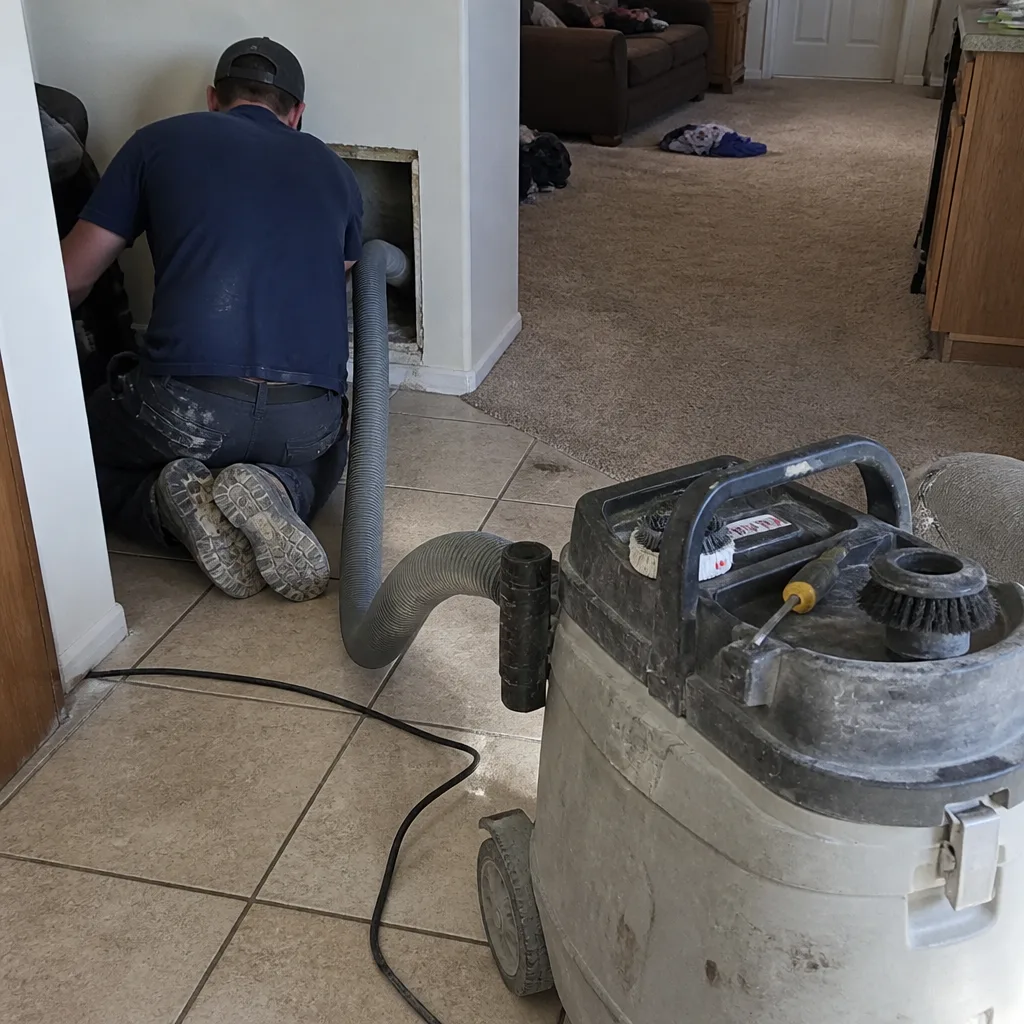 Before
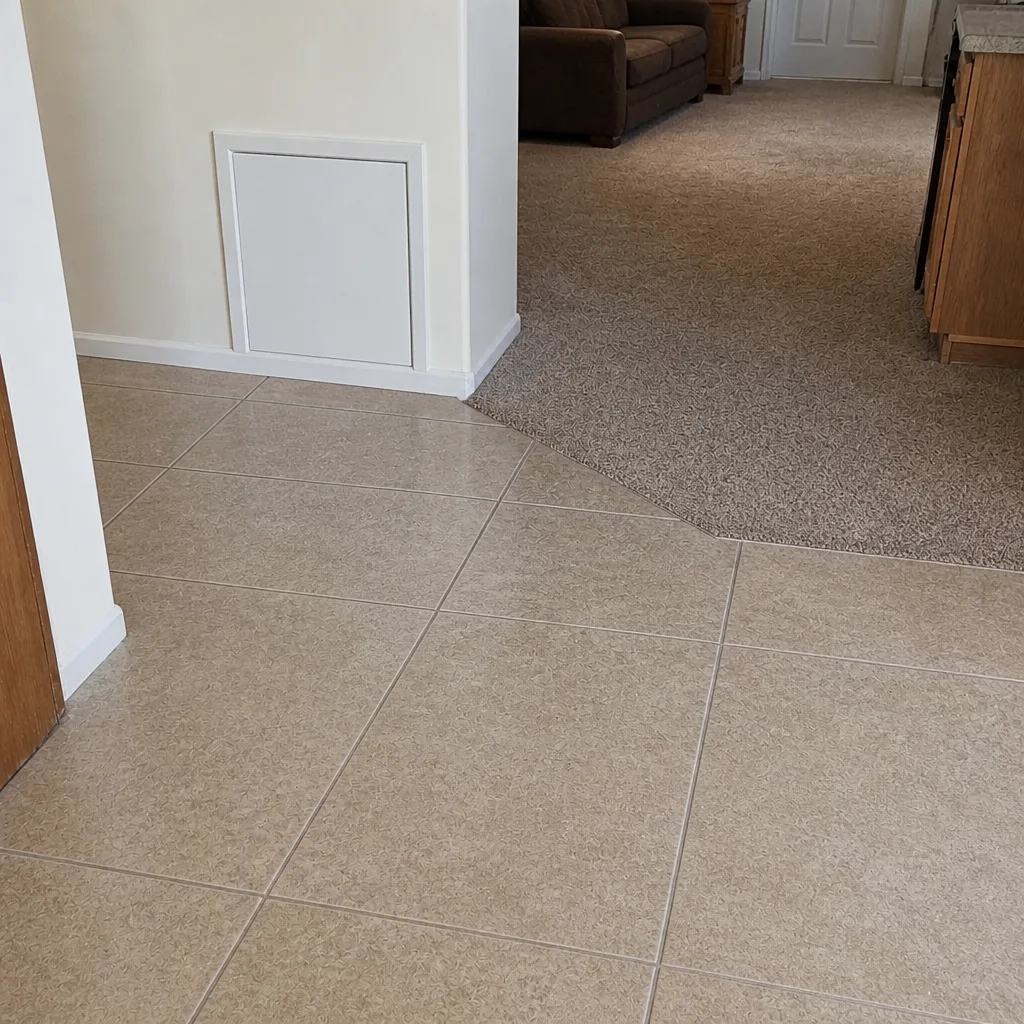 After
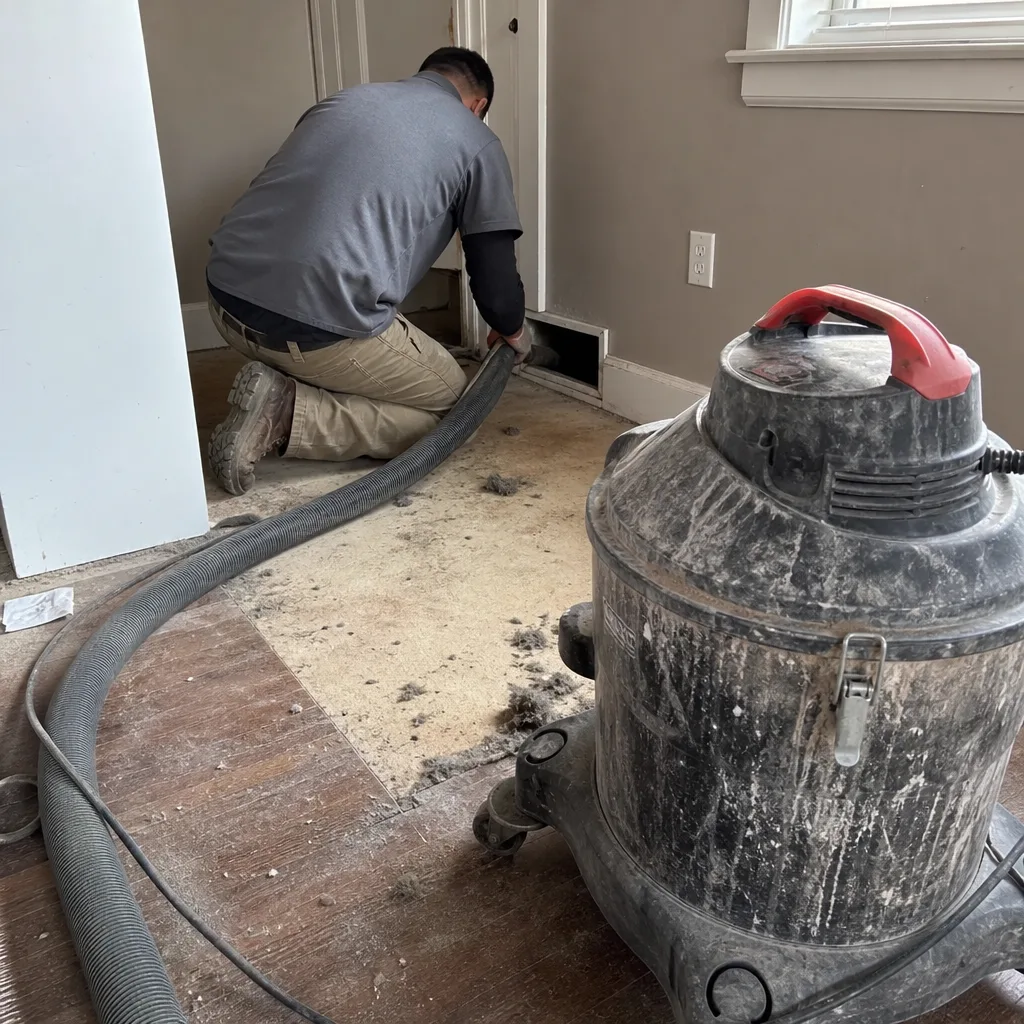 Before
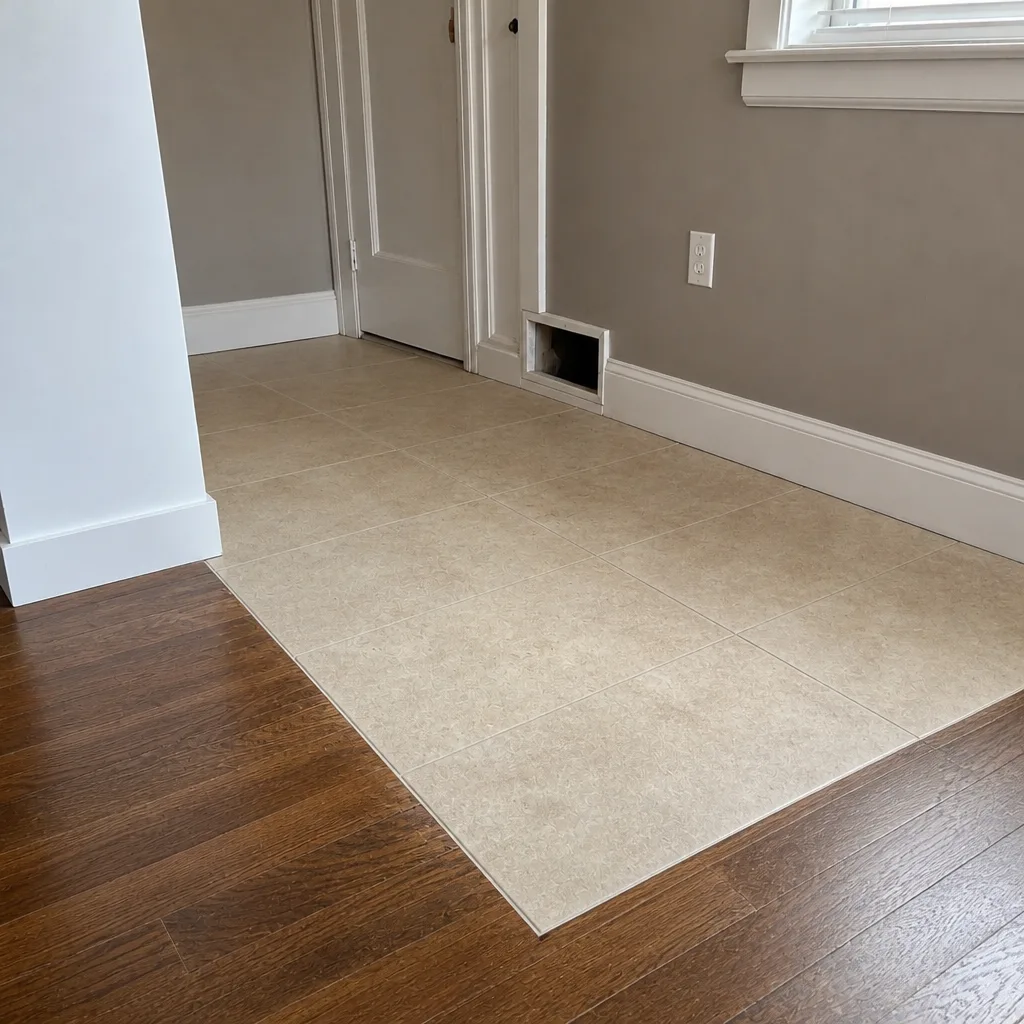 After
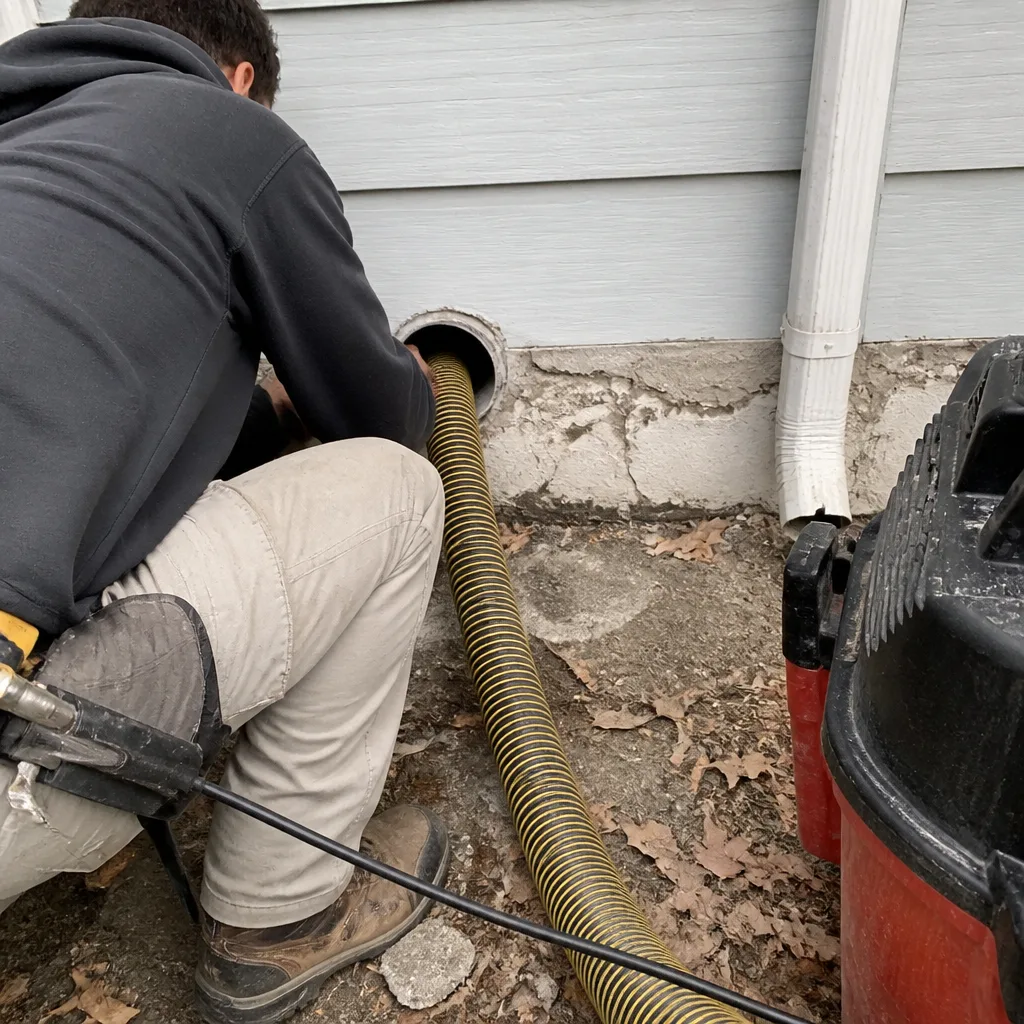 Before
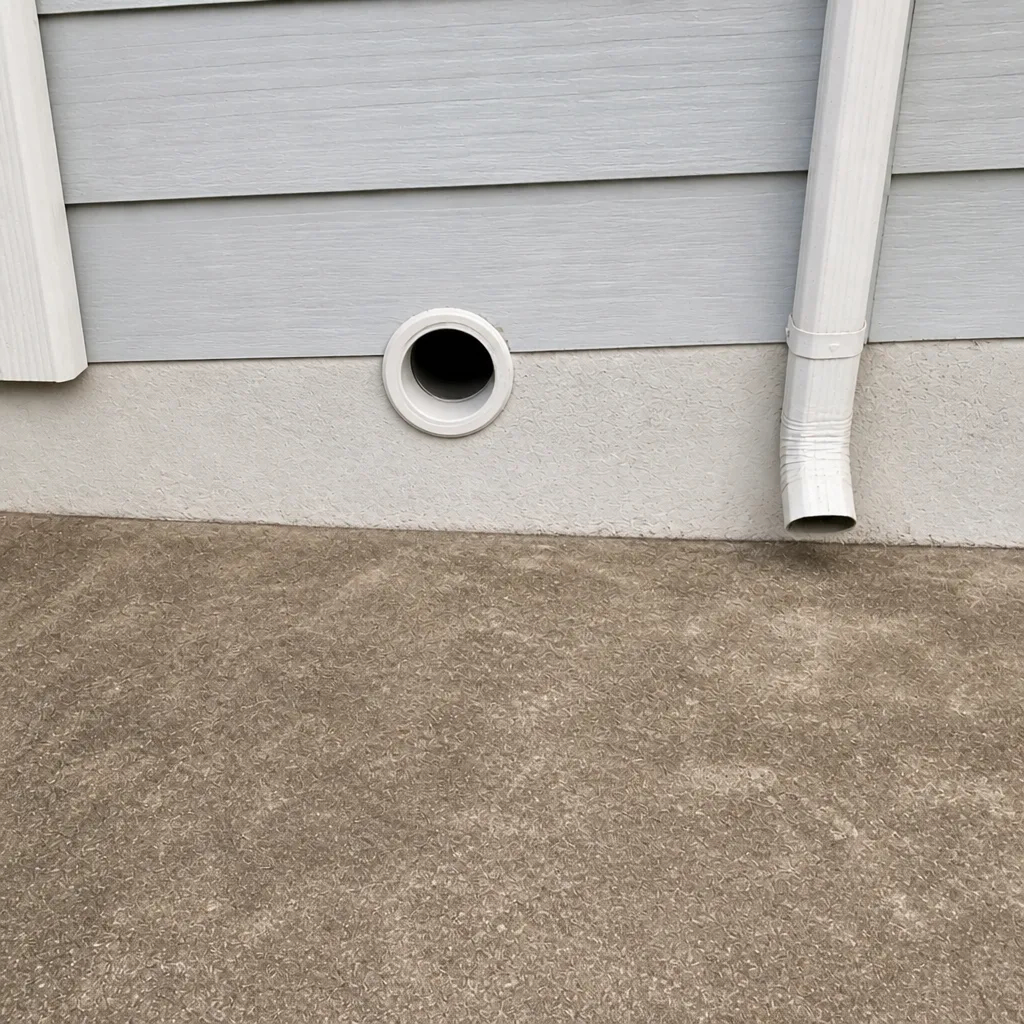 After