
Last updated November 24, 2026
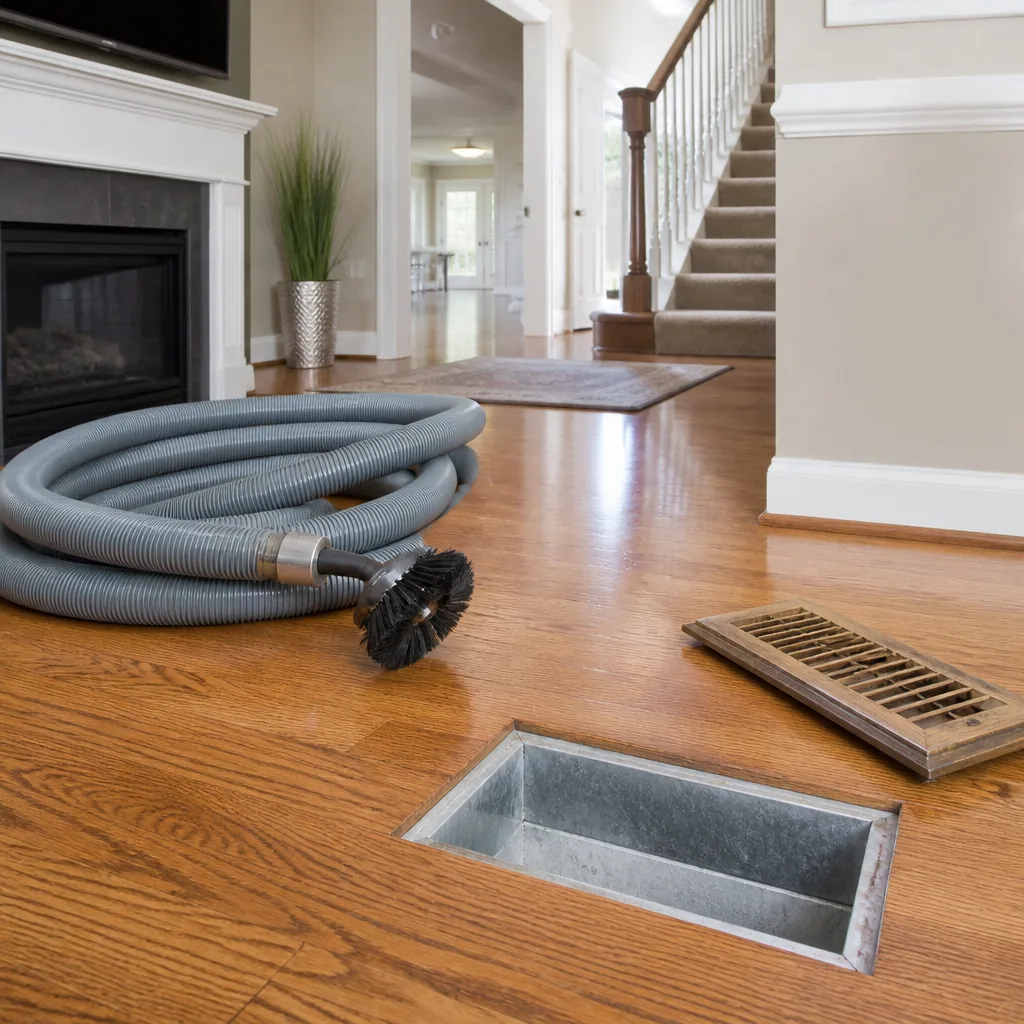 Whole-home duct cleaning
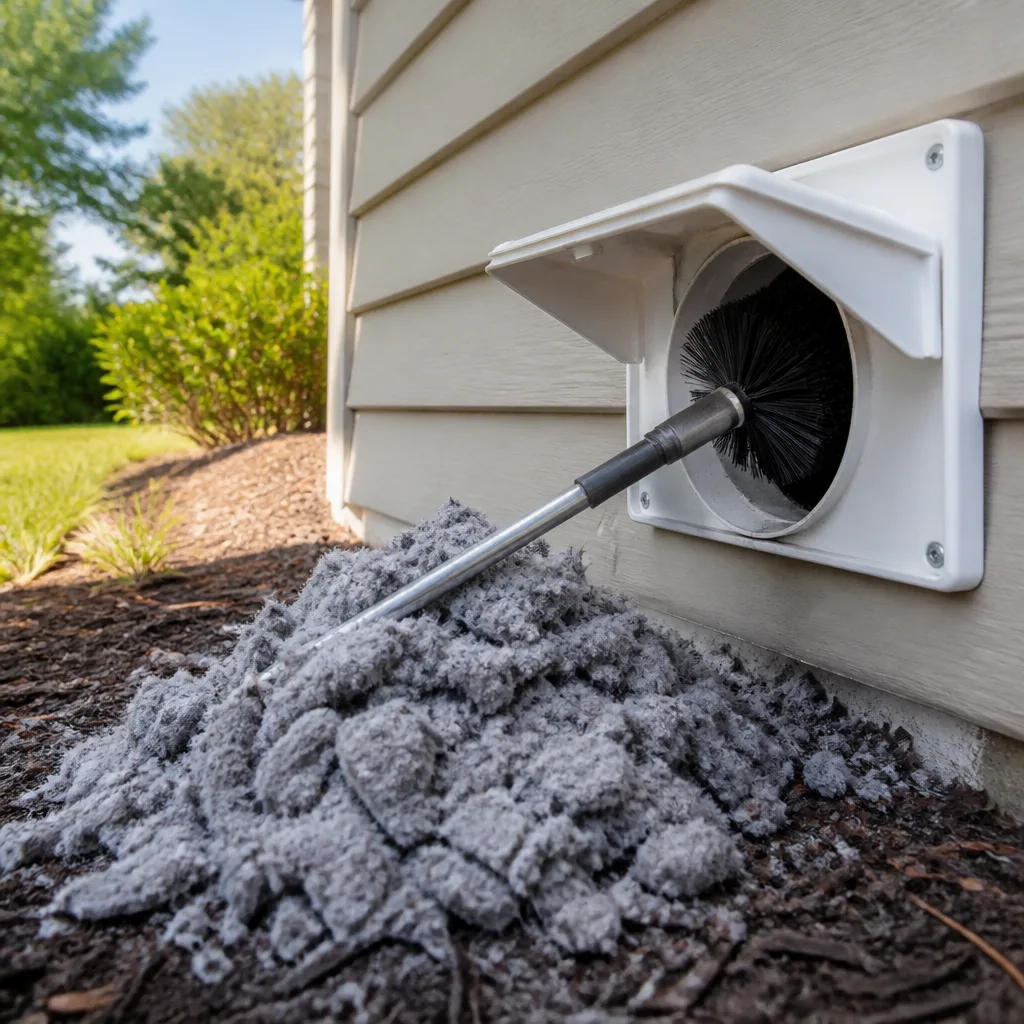 Dryer vent cleaning
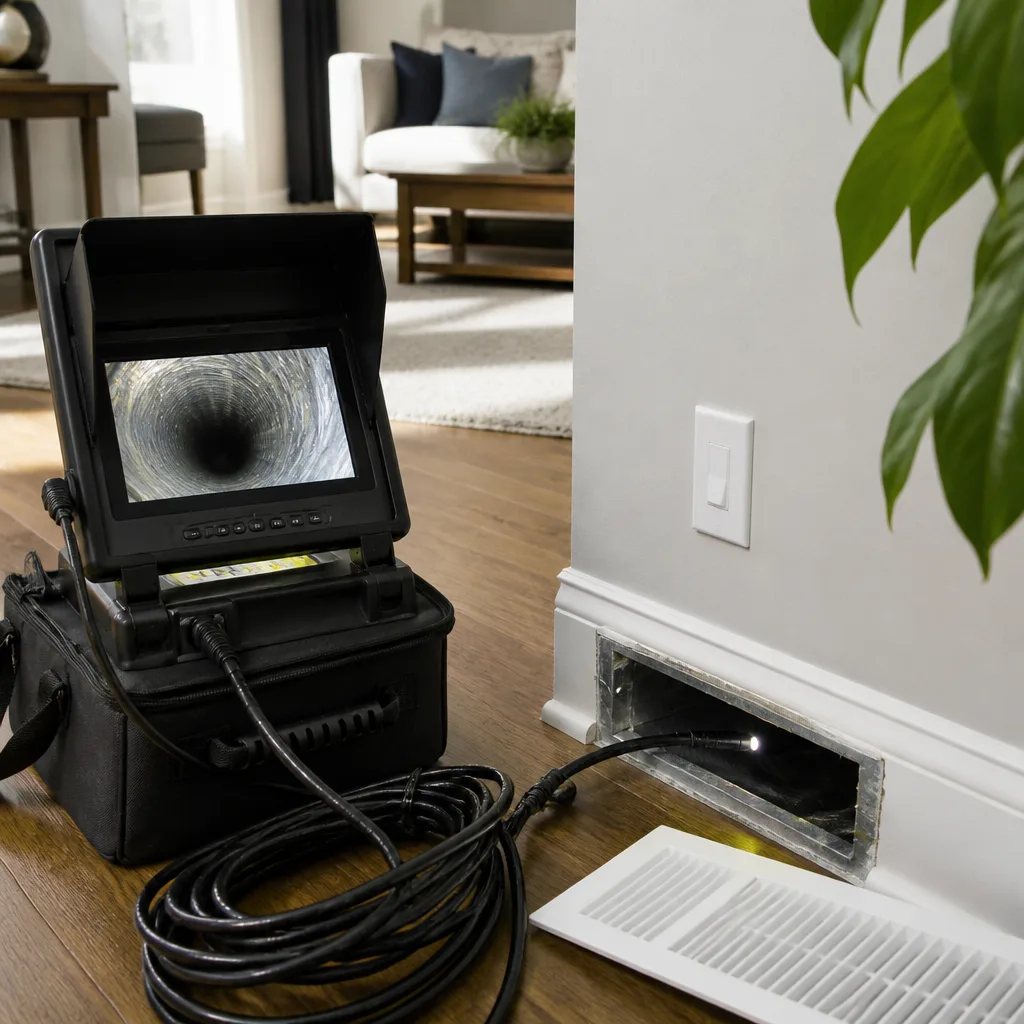 Camera inspection
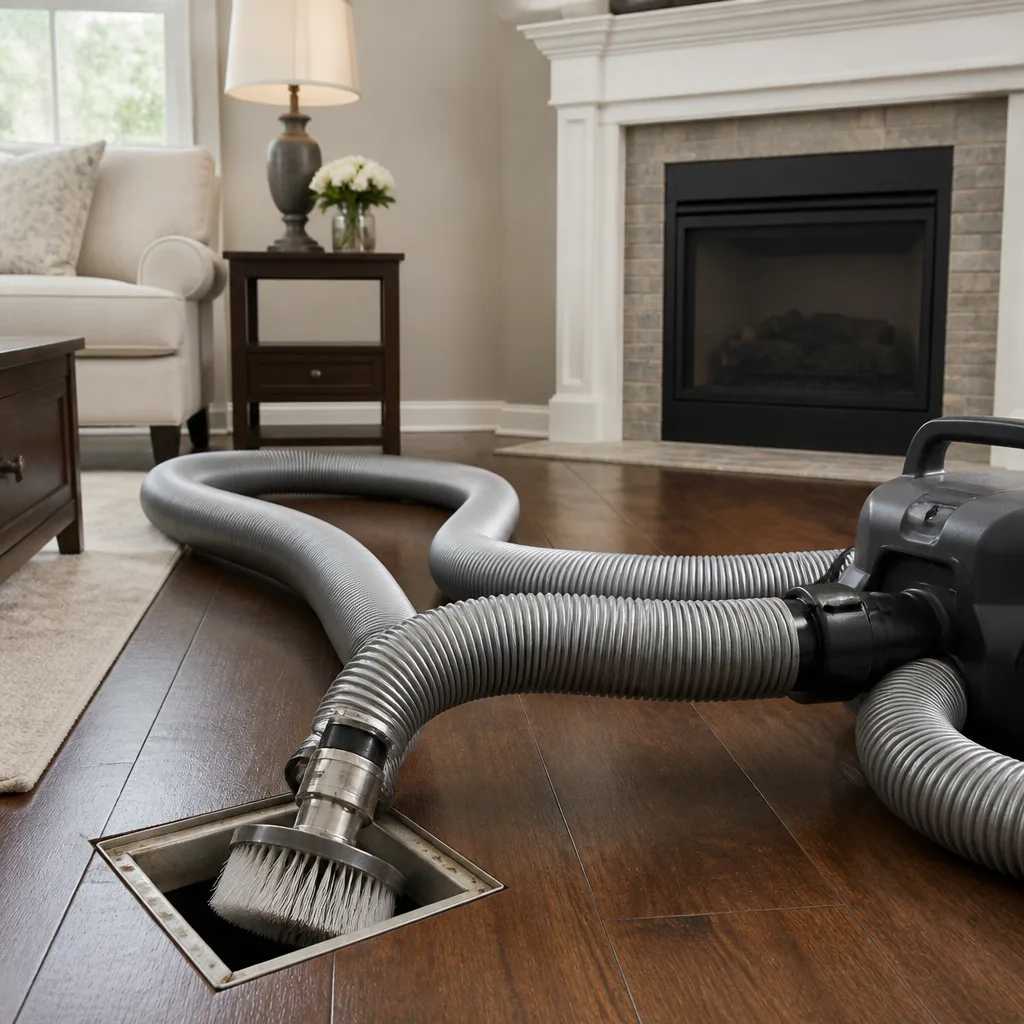 Sanitizing & deodorizing
Whole-system duct and dryer vent check with before-and-after photos - you see exactly what came out of your vents
That "$99 whole-house special" is a bait ad - the real number appears once they are in your hallway, or the "clean" is a shop-vac at the register. We photograph the inside of your ducts before and after instead.
Seasonal Air Duct Cleaning Care for Murray: Year-Round Homeowner’s Guide
Most homeowners treat duct cleaning like a chore on a five-year calendar. Set a reminder, forget it, repeat. That approach misses the real reason duct condition matters in Murray. This valley doesn’t hand you a steady baseline of indoor air; it swings hard from spring pollen and dry-season dust to winter inversion days that trap pollutants against the mountains and hold them there. Your ductwork either helps you through those swings or works against you. In this guide we’ll walk through what each season does to the inside of your system, when cleaning actually earns its keep, and how to time it around filter changes and HVAC tune-ups so you’re not paying twice for overlapping visits.
Quick Answer
In Murray, the highest-value time to clean your air ducts is late winter into early spring, right after heating season ends and before pollen and construction dust peak. A second useful window opens in fall, before you start running the furnace again, when an inspection can catch debris, gaps, or rodent activity before warm air pushes it through the house. Between professional cleanings, filter swaps and a sealed system do most of the daily work.
Styles & brands we work with
- Whole-home duct cleaning
- Dryer vent cleaning
- Camera inspection
- Sanitizing & deodorizing
Table of Contents
- Why Murray’s Air Is Different From a Generic Cleaning Calendar
- Spring: The Highest-Priority Cleaning Window in Murray
- Summer: Construction Dust Along the Wasatch Front
- Fall: The Pre-Heating-Season Inspection Checklist
- Winter: Inversion Days and How a Sealed System Performs
- How to Time Cleaning Around Filters and HVAC Tune-Ups
- Why We Clean the Whole System, Not Just the Ducts
- Common Mistakes to Avoid
- When to Call a Professional
- Frequently Asked Questions
Why Murray’s Air Is Different From a Generic Cleaning Calendar
During a Salt Lake Valley inversion event, outdoor fine particulate levels can climb past the thresholds the EPA considers unhealthy, and that air has to go somewhere. If your ductwork has gaps at the joints or a filter that’s been in too long, your HVAC system is pulling that trapped air inside and distributing it through every room. That’s the part most cleaning schedules ignore. A generic “clean every three to five years” rule was written for a place with steady air, and Murray isn’t that place.
Murray sits in a valley where the surrounding mountains do two things at once. They funnel weather and pollution into the basin, and they block the wind that would otherwise clear it out. Add the seasonal dust from dry months, the pollen that arrives every spring, and the construction activity that keeps growing along the Wasatch Front, and you get an indoor air picture that changes month to month. Your duct maintenance should map to those conditions, not to a calendar someone printed on a fridge magnet.
We’ve seen how differently a system behaves when it’s cleaned on the local rhythm versus when it’s cleaned on a generic one. A home that gets attention in late winter comes into spring with clean ducts and a fresh filter, so pollen season hits a system that can actually filter it. A home that waits until “sometime this year” usually ends up cleaning in the middle of summer, when the ducts are already loaded with the season’s dust. The timing isn’t a sales tactic; it’s the difference between cleaning before the load arrives and cleaning after it’s already been through the house.
If you want the full technical picture of what a professional cleaning actually involves, our air duct cleaning page covers the equipment and process in detail. For this guide, the point is simpler: Murray’s seasons set the schedule, and the schedule is what we’re about to break down.
Spring: The Highest-Priority Cleaning Window in Murray
Late winter into early spring is the single most valuable time to clean ducts in Murray, because it’s the one window where you clear out the accumulated load from heating season before the next load arrives. Three things stack up over winter: inversion residue that settled into the system, dust tracked in during the dry months, and the general debris that any furnace moves through its ducts across a long heating season. Cleaning in spring removes all of it at once, right before pollen season asks your system to filter air it can barely keep up with.
Here’s the sequence we recommend to Murray homeowners:
- Clean the ducts after heating season ends. You’ve just run warm air through the system for months. That’s when the buildup is at its peak and when clearing it does the most good.
- Inspect the return side and filter slot. A dirty filter slot means dust is bypassing the filter entirely. This is common after a long heating season and easy to miss.
- Replace the filter after cleaning, not before. Cleaning stirs up fine particulate. A fresh filter installed after the work catches what settles, rather than loading up during the process.
- Check for gaps at joints and connections. Spring is when you want the system sealed and ready for the pollen push, not leaking air from a crawlspace or attic.
Spring cleaning also sets up your cooling season. The same ducts that carried warm air all winter will carry cool air all summer, and a system cleaned in spring runs that cooling season with far less resistance. In our experience, the homeowners who clean in spring notice the difference in airflow well before summer arrives.
Summer: Construction Dust Along the Wasatch Front
Summer brings a different kind of load into Murray’s ductwork, and it’s the one homeowners underestimate most. Construction activity along the Wasatch Front produces fine silica dust, which behaves nothing like the household dust you sweep off a floor. Silica particles are small enough to stay airborne for hours, small enough to slip past a standard filter, and abrasive enough that they don’t just sit in your ducts; they wear on the surfaces they contact. Standard household dust is mostly lint, skin cells, and pet hair, and a decent filter handles it. Silica is a different problem.
What that means for your system in summer:
- It accumulates in the return ducts first. Return air carries the highest particulate load, so the return side is where construction dust collects before it ever reaches the supply runs.
- It loads the blower and coil. A blower caked with fine dust moves less air and works harder. A dirty evaporator coil loses cooling capacity, which shows up as a system that runs longer to reach the same temperature.
- It settles into the supply runs and re-enters the room. Every time the system cycles on, some of what’s resting in the ducts gets pushed back into the living space.
If you live near active construction, or if you’ve had work done on your own home, the summer dust load can be significantly higher than a generic schedule accounts for. We recommend an inspection in late summer for any Murray home near a building site. If the ducts are loaded, cleaning before fall means you’re not running a contaminated system through another heating season. Filter changes help, but they only protect what gets caught. They don’t clear what’s already settled in the runs. That’s the job of HVAC cleaning, which addresses the blower and coil alongside the ducts.
One practical note: don’t wait for visible dust at the registers before you act. Fine silica doesn’t announce itself. If you’re seeing a grey film on horizontal surfaces a day after cleaning, that’s a sign the system is redistributing something it shouldn’t.
Fall: The Pre-Heating-Season Inspection Checklist
Fall is your last clean shot at the system before you seal the house up and run the furnace for months. It’s also the season when small problems become expensive ones, because once warm air starts moving through a compromised system, everything in that system goes into the air you breathe. This is the inspection window that pays for itself most reliably in Murray.
Work through this checklist before the first cold snap:
- Look for rodent activity at the duct connections. Fall is when mice and other small animals look for warmth, and duct runs in attics and crawlspaces are a common route. Droppings, nesting material, or chew marks near joints are all signals.
- Check the return ducts and filter slot for debris. Leaves, insulation fragments, and dust bunnies can collect at the return intake.
- Inspect accessible duct runs for gaps and disconnected joints. A disconnected run in a crawlspace dumps heated air where it does no good and pulls unfiltered air into the system.
- Confirm the filter is the right size and seated properly. A filter that’s too small lets air bypass it entirely.
- Note any musty smell at the registers. Odor that gets stronger when the system runs can point to moisture or microbial growth inside the ducts.
- Schedule cleaning if the inspection turns up buildup or contamination. Cleaning before heating season is far more effective than cleaning after months of warm air have spread the problem through the house.
If the checklist turns up a gap in the ductwork, cleaning alone won’t solve it. A sealed system, though, means the air you heat is the air you keep. That’s where duct repair and sealing earns its place alongside cleaning, and where we see the biggest untapped gains in Murray homes.
Winter: Inversion Days and How a Sealed System Performs
Winter is when the difference between a sealed, clean system and a leaky, dirty one becomes obvious. During inversion days, the cold air settles in the valley and the pollution settles with it. Outdoor particulate climbs, and your HVAC system keeps running, pulling air through the return and pushing it through the house. If the ducts are tight and the filter is fresh, that system can act as your first line of defense. If the ducts are leaking, the system is drawing in the very air you’re trying to avoid and moving it through every room.
What to monitor through the winter:
- Filter condition, checked monthly. Inversion season loads a filter faster than any other time of year. A clogged filter stops protecting you and starts restricting airflow.
- Airflow at the registers. Weak flow on one side of the house can point to a disconnected run, not just a dirty filter.
- Odor when the heat comes on. A dusty smell on startup is normal. A persistent musty or chemical smell is not, and it usually means something is growing or accumulating in the ducts.
- Humidity inside the home. Dry winter air is a Murray given. A whole-home humidifier paired with your HVAC system keeps the air in a range that’s easier on your respiratory system and your wood floors.
This is where the right equipment matters. We use Rotobrush and Nikro professional-grade cleaning systems, and we pair cleaning with Aprilaire and Honeywell air quality products so filtration and humidity control improve, not just the dust count. Cleaning a system and then leaving it without filtration is only half the job. During inversion season, the other half is what keeps the air inside better than the air outside.
How to Time Cleaning Around Filters and HVAC Tune-Ups
The most common scheduling mistake we see in Murray is cleaning, filter changes, and HVAC tune-ups booked as three separate visits with no coordination between them. That’s how homeowners pay more for overlapping work and end up with a filter that loads up during the cleaning itself. Done right, the three fit together in a specific order, and getting that order right saves real money.
Here’s the sequence we recommend:
- HVAC tune-up first. Get the system inspected and serviced before you clean the ducts. That way any repairs to the blower, coil, or moving parts happen before the ducts are cleaned, not after.
- Duct cleaning second. With the equipment serviced, the cleaning addresses the full system. This is when professional-grade equipment makes the difference; shop-vac setups don’t move enough air to clear a full duct run.
- Duct repair and sealing, if needed. Any gaps or disconnected joints found during the cleaning get sealed before the system goes back into full service.
- Filter replacement last. A fresh filter installed after cleaning and sealing catches the fine particulate the process stirred up, and starts its service life clean.
There’s one more coordination point worth planning for: if you’re adding a whole-home humidifier or upgrading filtration through Honeywell or Aprilaire, have that installed as part of the same window. Fiber and particulate from the installation work can settle into clean ducts, and it’s easier to clean once than to schedule a second visit. When you call for an estimate, tell us what else is on the calendar and we’ll help you sequence it.
Why We Clean the Whole System, Not Just the Ducts
Ducts are one link in the chain, and cleaning only that link leaves the rest of the problem in place. The air you breathe passes through the return ducts, the blower, the coil, the supply runs, and the registers. It also passes through the filter, the humidifier, and any air quality equipment you’ve added. A dusty blower redistributes fine particulate no matter how clean the ducts are. A dirty coil does the same while dragging down efficiency. A leaking joint pulls unfiltered air in. If a service only handles the ducts, the rest of the chain still carries what it carried before.
That’s why we handle five distinct categories under one roof:
- Air duct cleaning for the return and supply runs
- Dryer vent cleaning as a standalone safety service, since lint buildup in a vent is a fire risk
- HVAC cleaning for the blower, coil, and cabinet
- Duct repair and sealing to close the gaps that let contamination back in
- Air quality and sanitizing using Abatement Technologies and Guardsman products for contaminant control
When we find duct integrity issues, we can fix them rather than just clean them. That matters most in Murray homes with accessible ductwork in attics and crawlspaces, where gaps are common and easy to overlook. Cleaning a duct run that’s disconnected from the supply just means cleaning air you don’t get to use. Fix the problem, not just the symptom, and the system performs the way it was designed to.
If your dryer vent hasn’t been cleaned in a while, our dryer vent cleaning covers that safety side of the house. The two services are different jobs, but they’re both about moving air safely.
Common Mistakes to Avoid
We’ve been called to enough Murray homes to recognize the patterns. These are the mistakes we see most often, and each one costs more in the long run than the right approach would have:
- Waiting for a five-year calendar instead of the seasons. Murray’s air quality swings hard, and a cleaning timed to a generic interval usually lands at the wrong point in the year. Clean before the load arrives, not after.
- Replacing the filter before cleaning the ducts. Cleaning stirs up particulate, and a fresh filter catches it and loads up immediately. Change the filter after the work, not before.
- Skipping the inspection for rodent activity in fall. Fall is when small animals move in, and running heat through a contaminated system spreads what they left behind. The inspection is quick and it prevents a bigger job.
- Assuming a clean filter means clean ducts. Filters protect the equipment, not the duct runs. The silica and pollen that slip past a filter settle in the ducts and stay there until someone removes them.
- Cleaning the ducts without checking the seals. A cleaning on a leaky system re-contaminates fast, and the money goes with it. Sealing is what makes the cleaning last.
- Using shop-vac-based cleaning setups. Residential vacuum setups can’t move enough air to clear a full duct run. Professional-grade equipment is the difference between a surface pass and a real cleaning.
- Ignoring the dryer vent because it’s not an air quality issue. Lint buildup in a vent is a fire risk independent of anything in the HVAC system. It belongs on the same annual list.
When to Call a Professional
Some signs point to a job that’s beyond a filter swap. If you’re seeing visible dust blowing from a register when the system kicks on, that’s usually a sign of accumulated debris that needs more than a vacuum. A persistent musty smell that gets stronger when the heat runs can point to moisture or growth inside the ducts. Uneven airflow, where some rooms are noticeably weaker than others, can indicate a disconnected or leaking run. And if anyone in the home has allergies that get worse indoors, an inspection is a reasonable next step. We answer Murray Air Duct Cleaning Pros questions by phone and we’ll tell you honestly whether the timing is right; if it isn’t, we’ll say so. Murray Air Duct Cleaning Pros offers free estimates in Murray, so there’s no cost to finding out what’s actually going on with your system. Call (855) 658-3962 to schedule.
See the difference
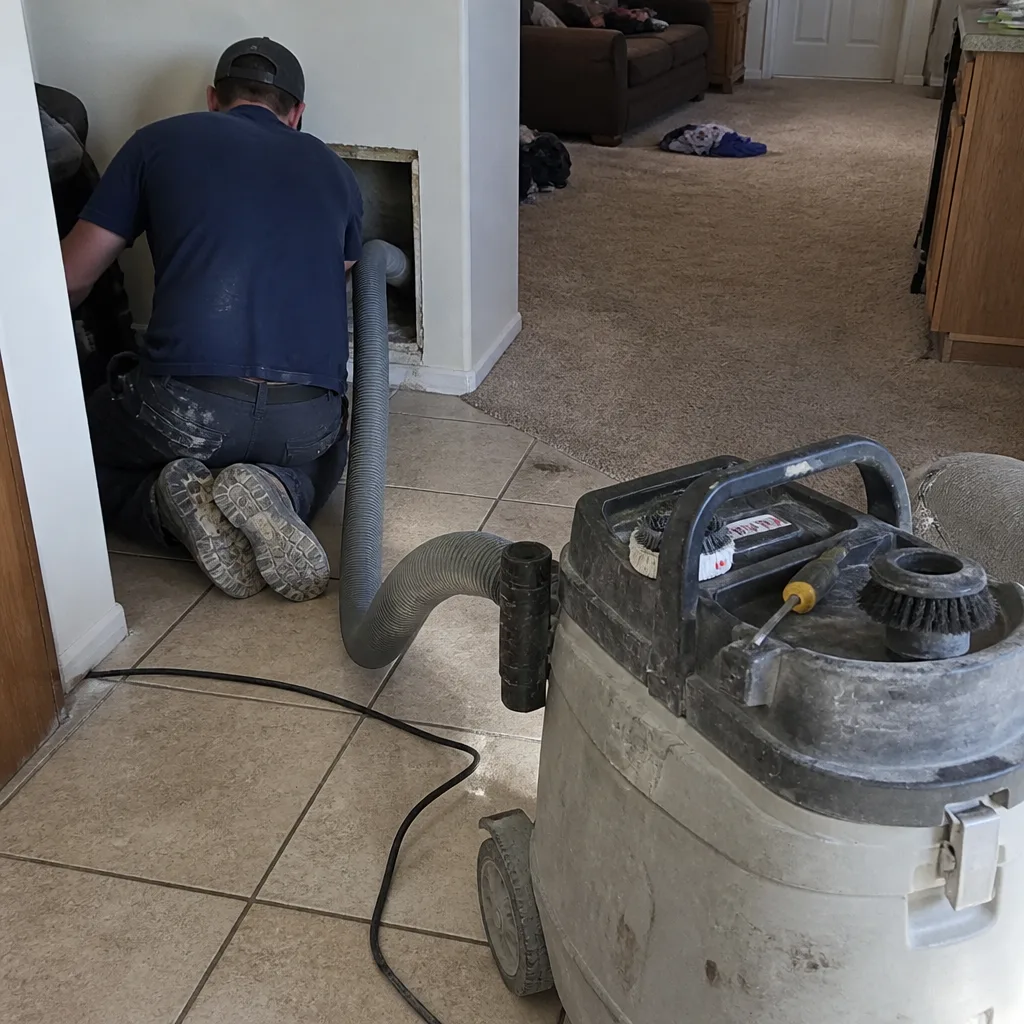 Before
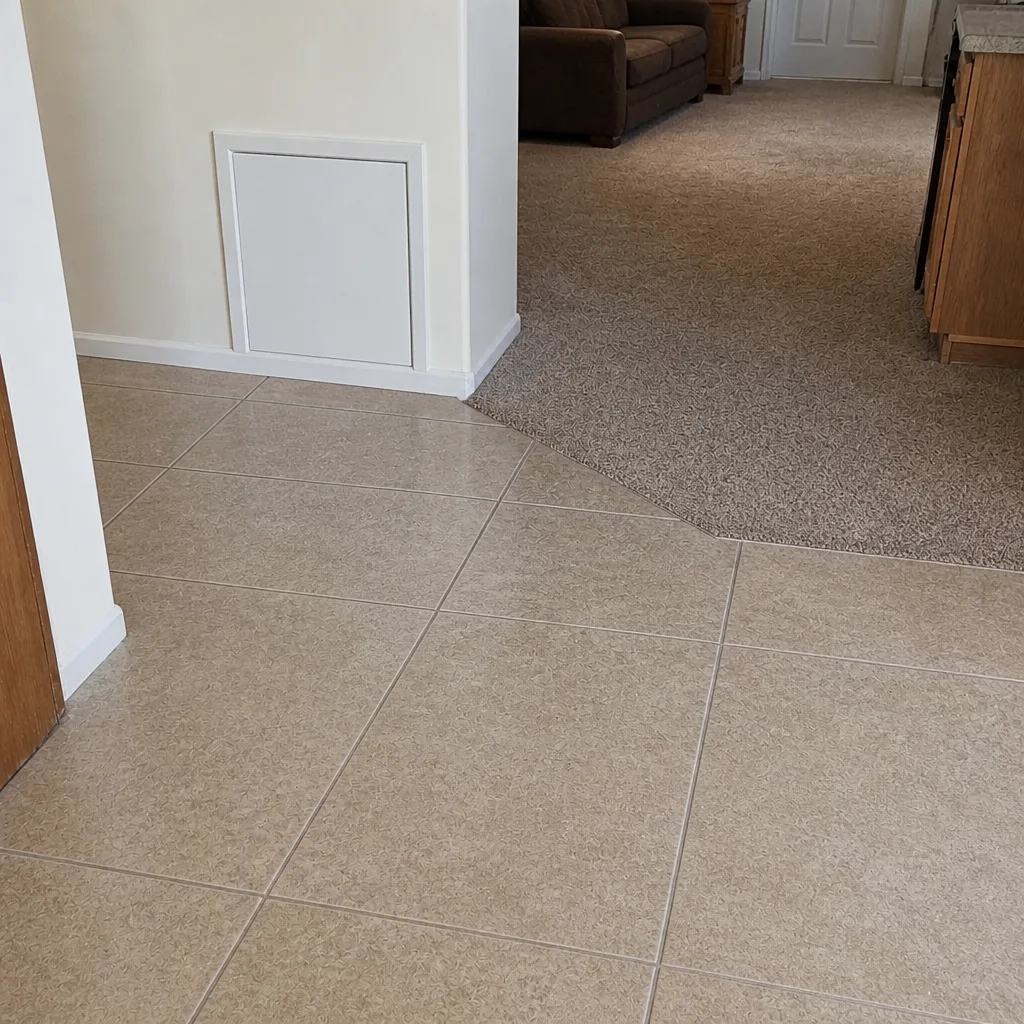 After
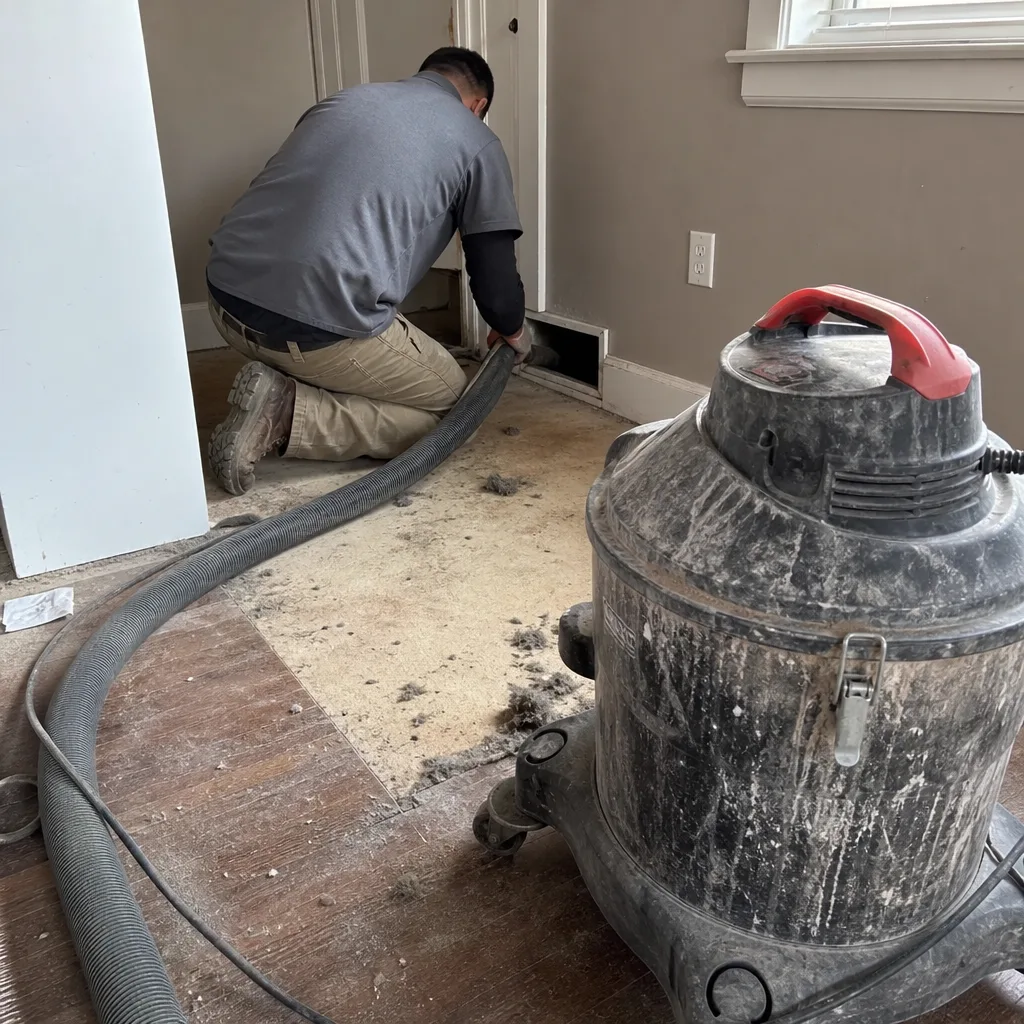 Before
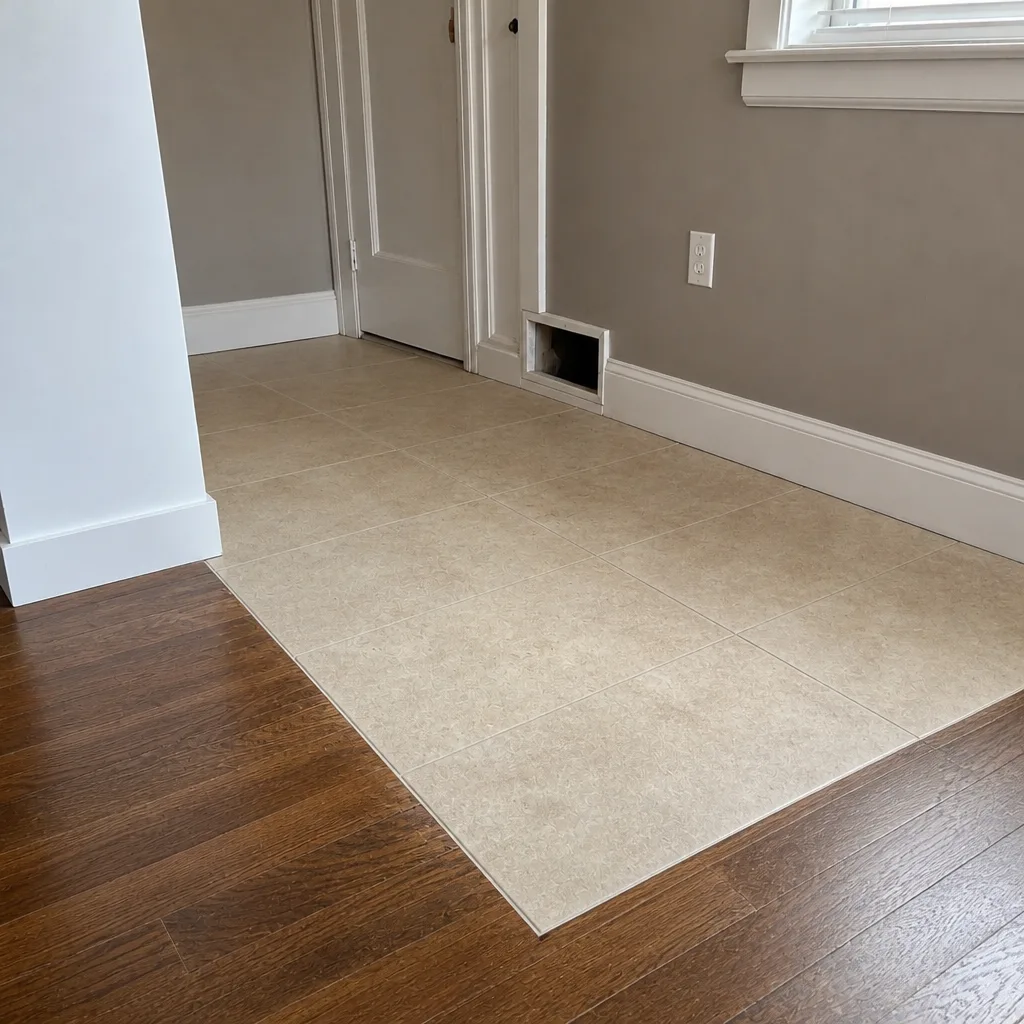 After
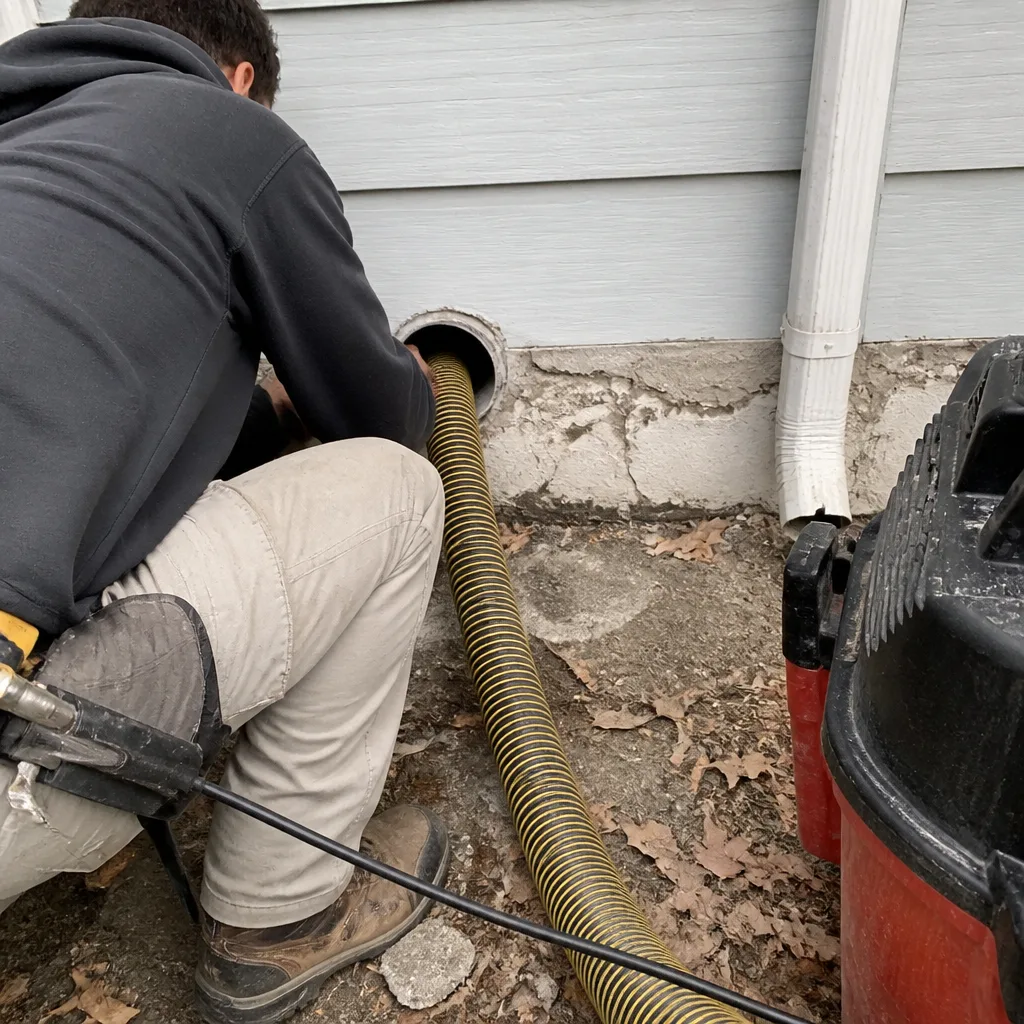 Before
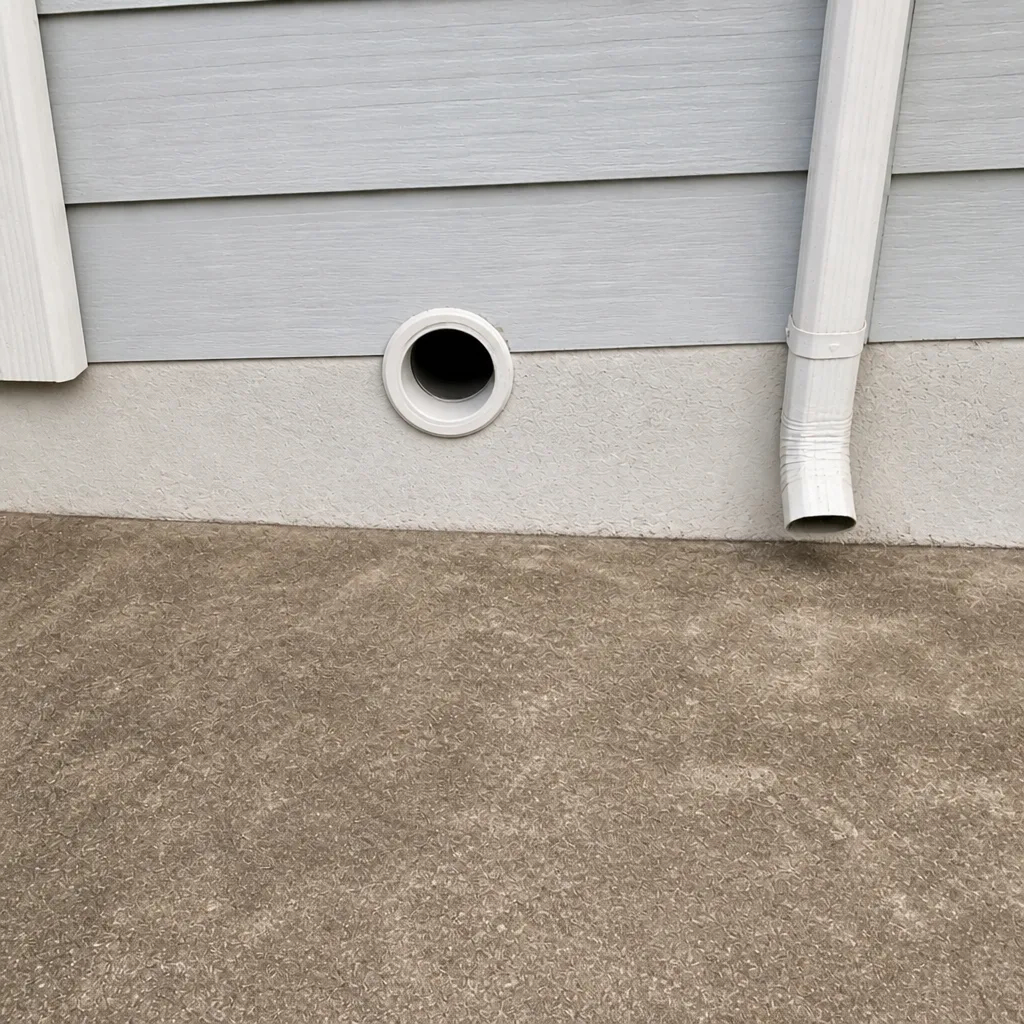 After
Frequently Asked Questions
For most Murray homes, a cleaning every two to three years timed to late winter or early spring is a reasonable rhythm, with an inspection in fall before heating season. Homes near active construction, with pets, or with allergy sufferers in the house often need it sooner. The right interval depends on your system, not a generic calendar.
Yes. Late winter into early spring clears the accumulated load from heating season right before pollen and construction dust peak. Cleaning in spring means the system runs the cooling season and the pollen push with the ductwork already clear, which does more for indoor air than cleaning later in the year.
Keep it running with a fresh filter. A sealed, clean system filters the air that circulates through the house, and shutting it off leaves that air stationary. The protection comes from the combination of a good filter, a sealed duct system, and consistent airflow. Clean ducts alone won’t do it if the system is leaking.
Construction dust is largely fine silica, which stays airborne longer, slips past standard filters, and acts abrasively on the surfaces it contacts. Household dust is mostly lint, skin cells, and pet hair. Silica accumulates in the return ducts first and loads the blower and coil faster than household dust, which is why a home near a building site needs attention sooner.
Not really. Cleaning a leaky system re-contaminates quickly because gaps let unfiltered air back in. Repair and sealing are what make a cleaning last, and they’re especially relevant in Murray homes with accessible ducts in attics and crawlspaces, where disconnected runs are common. Fix the problem, not just the symptom.
After. Get the HVAC system serviced first so any repairs to the blower, coil, or other components happen before the ducts are cleaned. Replace the filter last, once cleaning and any sealing is done. This order avoids paying twice for overlapping work and keeps clean ducts from loading up right after the job.
The Bottom Line
In Murray, duct cleaning works best when it follows the seasons rather than a generic interval. Clean in late winter or early spring to clear heating-season buildup before pollen and construction dust arrive. Inspect in fall before the furnace runs, when rodent activity and gaps are easiest to catch. Monitor filters monthly through inversion season, and coordinate the whole sequence so cleaning, sealing, and filter replacement happen in the right order. A sealed, freshly cleaned system with proper filtration is the strongest defense your home has on the worst air days. Call (855) 658-3962 to book a free estimate; our technicians have up to 11 years of experience and use professional-grade Rotobrush and Nikro equipment on every job. We answer 24/7, with fast dispatch from 7am to 7pm, Sunday through Friday.
Written by the team at Murray Air Duct Cleaning Pros.