
Last updated November 24, 2026
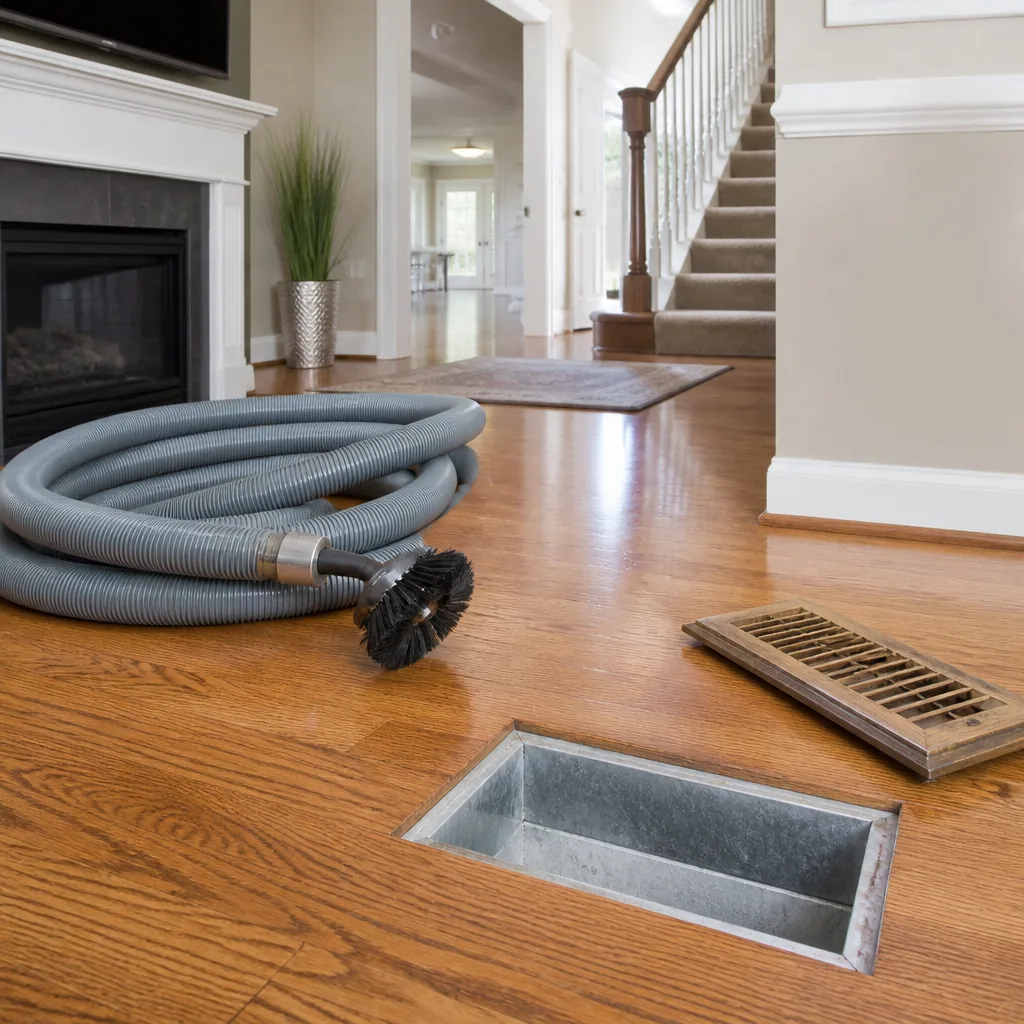 Whole-home duct cleaning
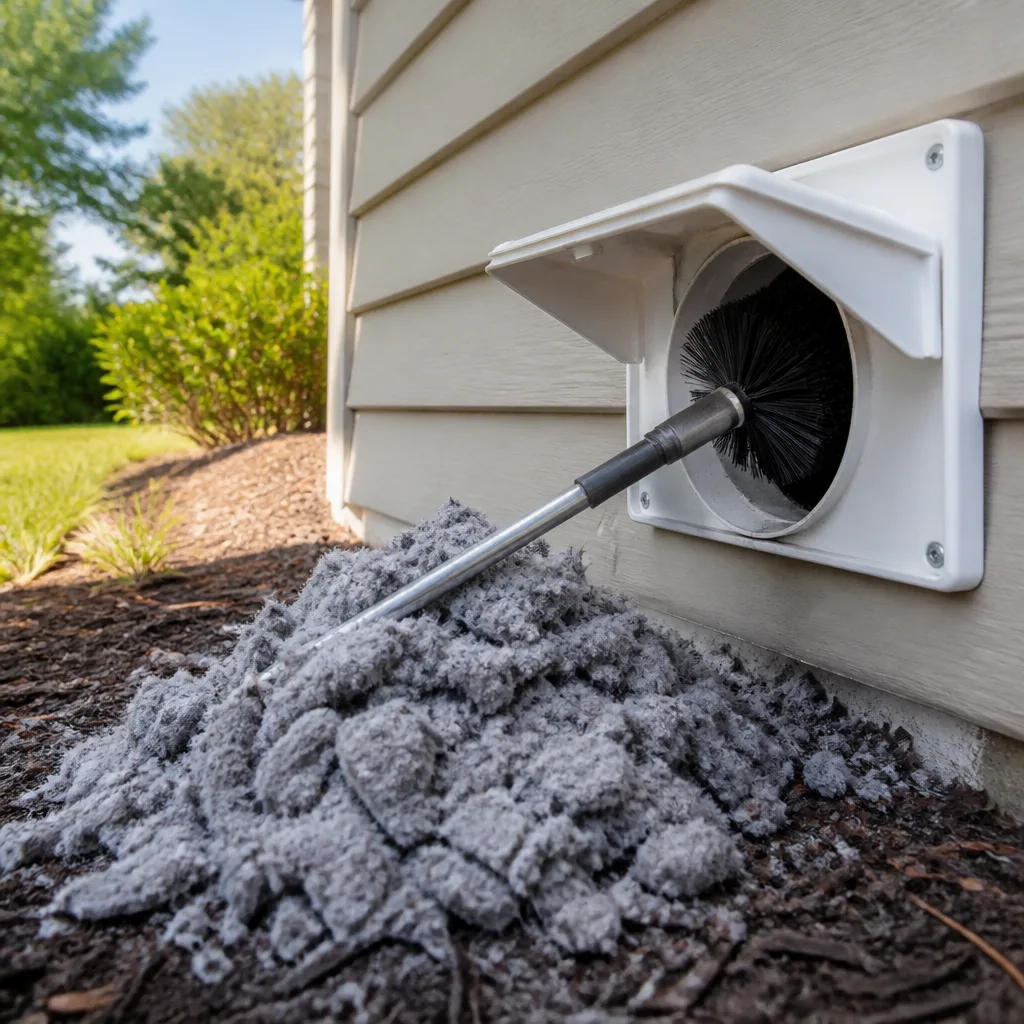 Dryer vent cleaning
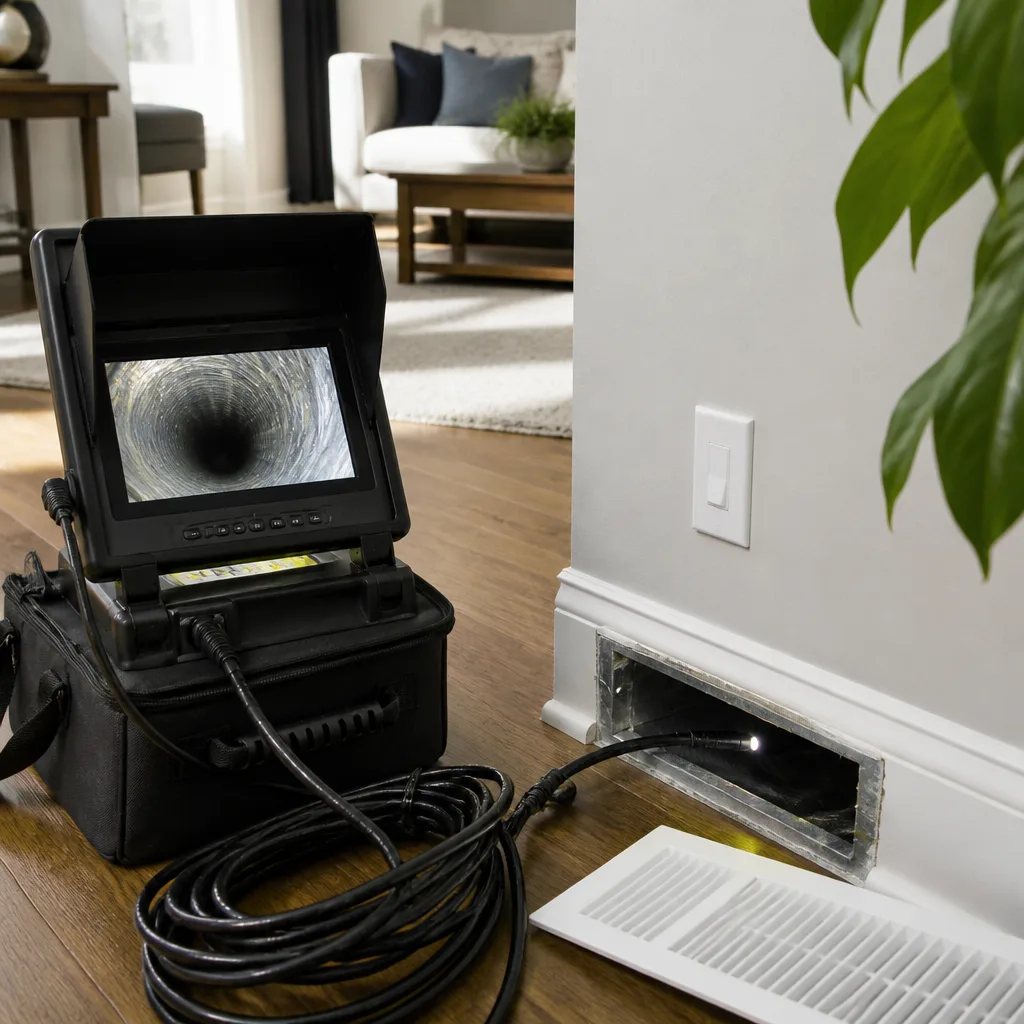 Camera inspection
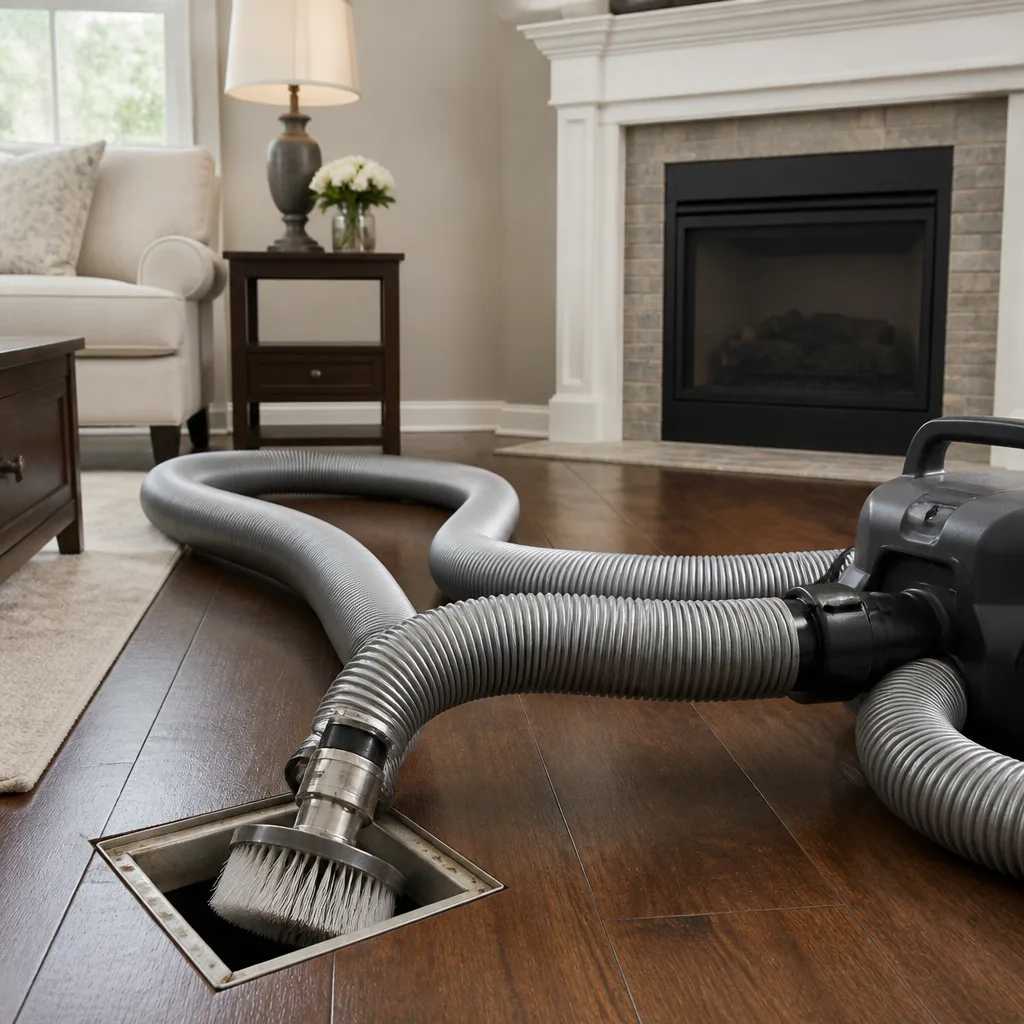 Sanitizing & deodorizing
Whole-system duct and dryer vent check with before-and-after photos - you see exactly what came out of your vents
That "$99 whole-house special" is a bait ad - the real number appears once they are in your hallway, or the "clean" is a shop-vac at the register. We photograph the inside of your ducts before and after instead.
Air Duct Cleaning Emergency Preparedness Guide for Murray Homes
Most homeowners think of ductwork as passive plumbing for air, invisible and inert. Then a wildfire smoke plume parks over the Salt Lake Valley, a supply line fails under a kitchen sink, or a quake shifts the ground under a 1960s ranch house, and that same ductwork becomes the distribution system for everything you don’t want to breathe. When smoke reached hazardous AQI levels across the valley in 2021, plenty of homes kept their systems running on fresh-air mode and pulled particulate straight into the ducts, which then re-released it every time the furnace kicked on that winter. This guide walks through how to prepare before an event, what to do during one, and how to decide what’s salvageable afterward. It’s written from Murray, for the specific risks that show up in Murray.
Quick Answer
Air duct cleaning after an emergency in Murray starts with containment, not cleaning: shut the system down or isolate the affected zone, document everything with photos before touching it, and get a professional assessment within 48 hours of smoke or water intrusion. The window matters because surface contamination can be cleaned and sanitized, while mold-stage contamination or saturated insulation usually forces partial duct replacement. A same-day assessment is the difference between a cleaning bill and a reconstruction bill.
Styles & brands we work with
- Whole-home duct cleaning
- Dryer vent cleaning
- Camera inspection
- Sanitizing & deodorizing
Table of Contents
- Wildfire Smoke Intrusion: The HVAC Protocol
- Water Intrusion and Ductwork: Surface Moisture vs. Mold Stage
- Earthquake Aftermath: What to Inspect in Older Murray Duct Systems
- The 48-Hour Decision Window
- What to Document for an Insurance Claim
- Preparing Your Murray Home Before the Next Event
- Common Mistakes to Avoid
- Frequently Asked Questions
Wildfire Smoke Intrusion: The HVAC Protocol
Smoke is the most common duct emergency in Murray, and it’s also the one most homeowners handle backward. The instinct during a smoke event is to seal the house and keep the system running for circulation. That’s partly right and partly the opposite of what you want, depending on how your system is configured.
During an active smoke event
- Switch the system to recirculate, not fresh air. If your thermostat or ventilation controller has a fresh-air or economizer setting, turn it off. Drawing outside air into a return during a smoke plume loads the entire duct system with fine particulate in a matter of hours.
- Run the fan on low, continuously. You want filtration working, not turbulence. A high fan speed stirs settled dust and drives more particulate into the supply trunks.
- Upgrade the filter if you have one on hand. A higher-MERV filter captures more smoke particulate, but only if your blower can handle the added static pressure. Check the filter slot for a rating sticker or ask a technician before swapping blindly.
- Keep windows and doors closed and seal obvious gaps. The duct system is the main vector, but a house leaking around doors pulls smoke in and pushes it back through the return.
- Don’t run bathroom and kitchen exhaust fans unnecessarily. Every exhaust fan you run pulls replacement air from somewhere, and during a smoke event that somewhere is outside.
After the smoke clears
The day the air quality index drops is when the real assessment begins. Smoke leaves a fine, oily film on duct interiors, and it doesn’t evaporate. It settles on insulation lining, coats the blower wheel, and clings to the evaporator coil, which is exactly why a system that ran through a smoke event can smell like a campfire the following winter. This is where a professional source-removal cleaning with Rotobrush equipment and a sanitizing pass using Abatement Technologies products does work that a filter swap never will. The smoke residue is bonded, not loose.
If you’ve had a smoke event and you’ve never had an air duct cleaning, the post-event inspection is the right time. It’s the one moment where contamination is fresh and identifiable.
Water Intrusion and Ductwork: Surface Moisture vs. Mold Stage
Water and ducts are a bad combination in a way that surprises people, because the ducts themselves are usually metal and metal doesn’t care about water. What cares about water is everything attached to the ducts: the insulation blanket, the flexible connectors, the internal liner on some systems, and the filter housings. Murray’s housing stock includes plenty of basement-level and crawlspace duct runs, which is where water intrusion finds ductwork first.
How to tell what stage you’re in
- Surface moisture: Visible condensation or dampness on duct exteriors, no visible growth, no odor, and the moisture source can be traced and stopped. This is a dry-and-clean scenario, not a replacement scenario.
- Early mold stage: A musty smell that appears within 24-48 hours, dull discoloration on insulation facing or joint tape, and rising humidity inside the duct. This is a sanitize-and-verify scenario.
- Advanced mold stage: Visible growth spreading across insulation or liner, a smell that’s noticeable from several feet away, or water that pooled inside a duct run. This is where sections of duct and insulation come out. Cleaning alone doesn’t fix it.
The remediation sequence
- Stop the water source and document the intrusion with photos before anything is moved.
- Remove standing water and dry the affected area with air movers and dehumidification, not just open windows.
- Isolate the affected duct zone so the rest of the system doesn’t pull contaminated air into clean rooms.
- Inspect duct interiors with a camera; don’t guess based on what you can see at a register.
- Clean with professional equipment, then apply a sanitizing product appropriate to the contaminant.
- Verify with a moisture reading and a visual re-inspection before the system goes back into service.
Guardsman and Abatement Technologies products exist specifically because remediation has a contaminant-control standard that goes beyond wiping a duct down. That’s the standard we work to, and it’s what separates a real remediation from a surface pass.
Earthquake Aftermath: What to Inspect in Older Murray Duct Systems
The Wasatch Front is earthquake country, and the reality of a moderate quake in a Murray neighborhood is not a collapsed house. It’s a hundred small failures: joints that pulled apart, hangers that twisted, flex duct that swung loose from a boot, insulation that dropped off a trunk line. None of those announce themselves, and all of them leak.
What to check after a quake
- Disconnected trunk lines. In basement and crawlspace systems, the main trunk is often suspended by strap hangers. A quake can twist a section enough to open a seam or pull a takeoff loose. You won’t feel this in the house, but you’ll find warm or cool air dumping into the crawlspace.
- Shifted flex duct. Flexible duct is common in older Murray remodels, and it moves easily. A flex run that’s slipped half off a collar is a direct leak, and it’s often the reason one room stops heating while the rest of the house is fine.
- Displaced insulation. Duct wrap and liner can fall away in sheets. Bare metal duct in a crawlspace condenses in winter and radiates heat in summer, so an insulation failure shows up as an energy bill change more often than as an obvious symptom.
- Cracked returns and plenum connections. A return plenum that separated slightly pulls crawlspace air straight into the return. That’s the pathway that brings soil, dust, and whatever else is down there into the house.
- Registers and boots separated from the subfloor. Common in older housing stock with pier-and-beam or older subfloor construction, and easy to miss because the register still sits flush in the floor.
Duct repair and sealing is where we see the most post-quake work in Murray, because sealing restores system pressure and stops the leak at its source. Cleaning alone cleans what the leak put in the ducts; it doesn’t close the leak.
The 48-Hour Decision Window
Here’s the part people underestimate: after smoke or water intrusion, your options don’t shrink gradually. They collapse in stages. The first 48 hours after either event is the period where a cleaning-and-sanitizing solution is still viable for most homes. Past that window, you’re progressively moving from cleaning to replacement, and the cost curve reflects it.
What changes as time passes
- Hours 0-24: Surface contamination, moisture detectable, no biological growth. Cleaning and drying works. This is the widest set of options you’ll have.
- Hours 24-48: Odor develops, moisture wicks into insulation and joint tape, early growth can begin on organic surfaces. Sanitizing and verification becomes necessary alongside cleaning.
- Day 3-7: Growth established on insulation facing and duct liner, odor persistent, moisture readings may still be elevated even if the surface feels dry. Sectional removal is often in the conversation.
- Week 2 onward: Contamination spreads through the system as air moves through it. Restoration scope expands to insulation replacement, liner removal, and in some cases duct replacement.
The reason this window matters so much in Murray specifically is that our summers are dry and our winters aren’t. Water intrusion in July dries differently than water intrusion in January, but in both cases the clock is running, and mold doesn’t care what month it is once moisture is present. If you’re looking at an intrusion and wondering whether to wait and see, that waiting is itself a decision, and it’s usually the expensive one.
What to Document for an Insurance Claim
Insurance adjusters handling HVAC-related claims after a smoke or water event are looking for a specific evidence package. If you hand them a stack of phone photos and a verbal description, you’ll usually get a partial denial or a frustrating back-and-forth. If you hand them a complete file, you’ll usually get a decision in weeks rather than months.
The evidence package adjusters expect
- Date-stamped photos of the intrusion source before any cleanup. Water line on a wall, smoke haze at a register, soil line in a crawlspace, whatever shows what happened and when.
- Photos of the affected duct runs both exterior and, where possible, interior via camera. Adjusters respond to visual evidence that contamination reached the system, not just the room.
- Moisture readings with the meter brand and date on affected materials. A number with a timestamp is worth more than a description of dampness.
- Air quality readings where taken, with the instrument and the date. This matters most on smoke claims, where the adjuster wants to see whether the system was actually contaminated or just ran during a bad-air day.
- A contractor scope-of-work letter that names the affected components, describes the cleaning or remediation method, and states why that method is required. Not a quote. A scope. The two are different documents and adjusters know it.
- Before-and-after photos of the cleaned system. This is where the claim moves from “we think it was contaminated” to “here’s proof it’s been remediated,” which is often the evidence that closes the file.
If you’re working with a Murray Air Duct Cleaning Pros scope letter, we’ll put the method and the reasoning in writing, including which professional equipment and products we’re proposing and why. That letter is what stands between a covered claim and a denied one on a borderline file.
Preparing Your Murray Home Before the Next Event
Preparedness is cheaper than recovery, and the most useful preparation happens when nothing is happening. There’s no single purchase that solves duct emergencies, but there are a few things every Murray homeowner can do that turn a bad week into a manageable one.
Before the event
- Know where your air handler is and how to shut it off. If a smoke plume or water intrusion hits, the first move is isolation, and that requires knowing the switch. In crawlspace and basement setups, that’s often not the breaker you’d guess.
- Keep the return side accessible. If the return plenum is boxed in or buried behind stored items, contamination assessment gets harder and slower. Clear around it.
- Note your filter size and MERV rating. Write it inside the filter door. During a smoke event, the last thing you want to do is measure a slot in a hurry.
- Photograph the visible duct runs once, now, while they’re clean. A clean baseline photo makes an insurance claim dramatically easier because the adjuster can see exactly what changed.
- Consider an air quality upgrade on the supply side. Aprilaire and Honeywell filtration and humidity control solutions are worth discussing before a crisis, because they change what the system can do when one hits. A house with controlled humidity handles water intrusion differently than one without.
A full-system approach
Ducts, HVAC equipment, vents, and the connections between them all share air. If you clean the ducts after an event but leave the coil loaded with smoke residue, or reseal the trunk but never clean what the leak introduced, you’ve done half the job. That’s why a full-system scope matters in an emergency: HVAC cleaning and duct work belong in the same conversation. So does dryer vent cleaning, which is its own emergency category because lint accumulation is a genuine fire risk and a clogged vent underperforms in a way no duct cleaning fixes.
See the difference
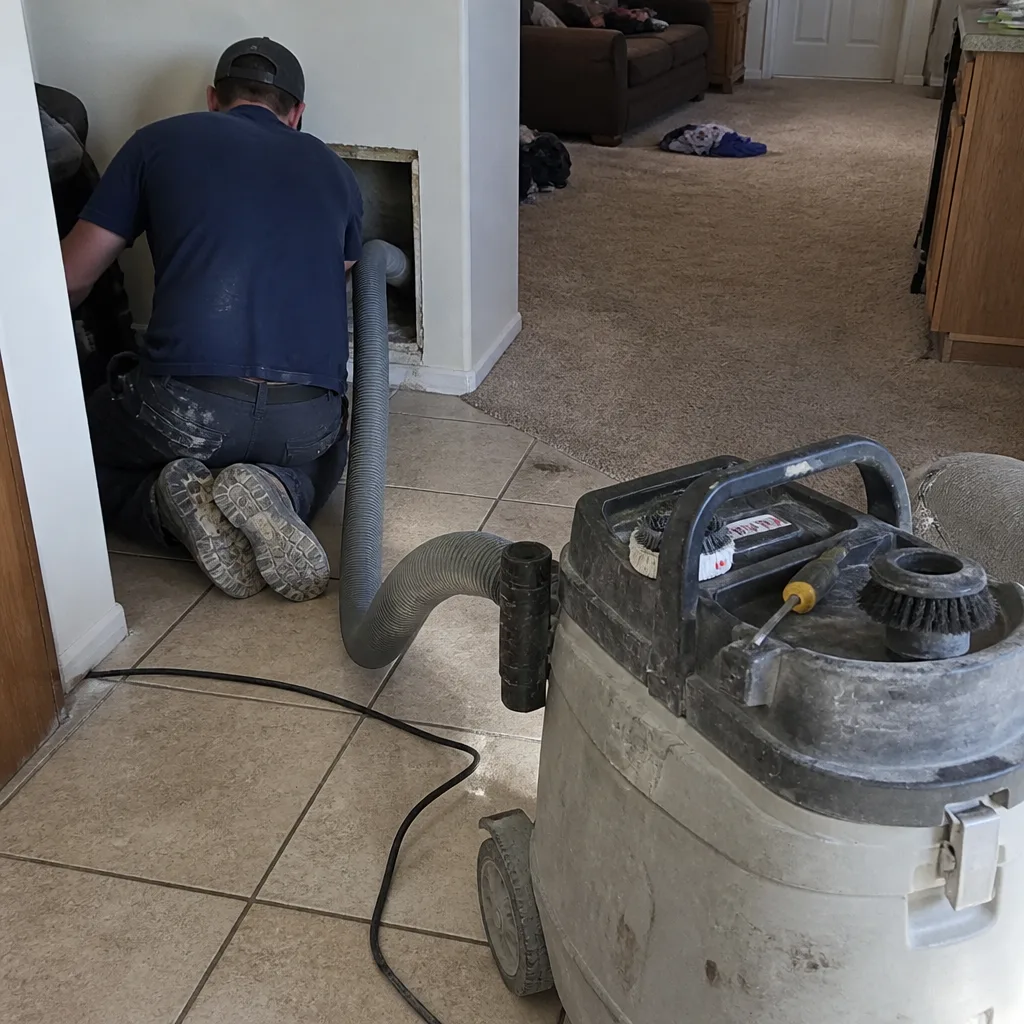 Before
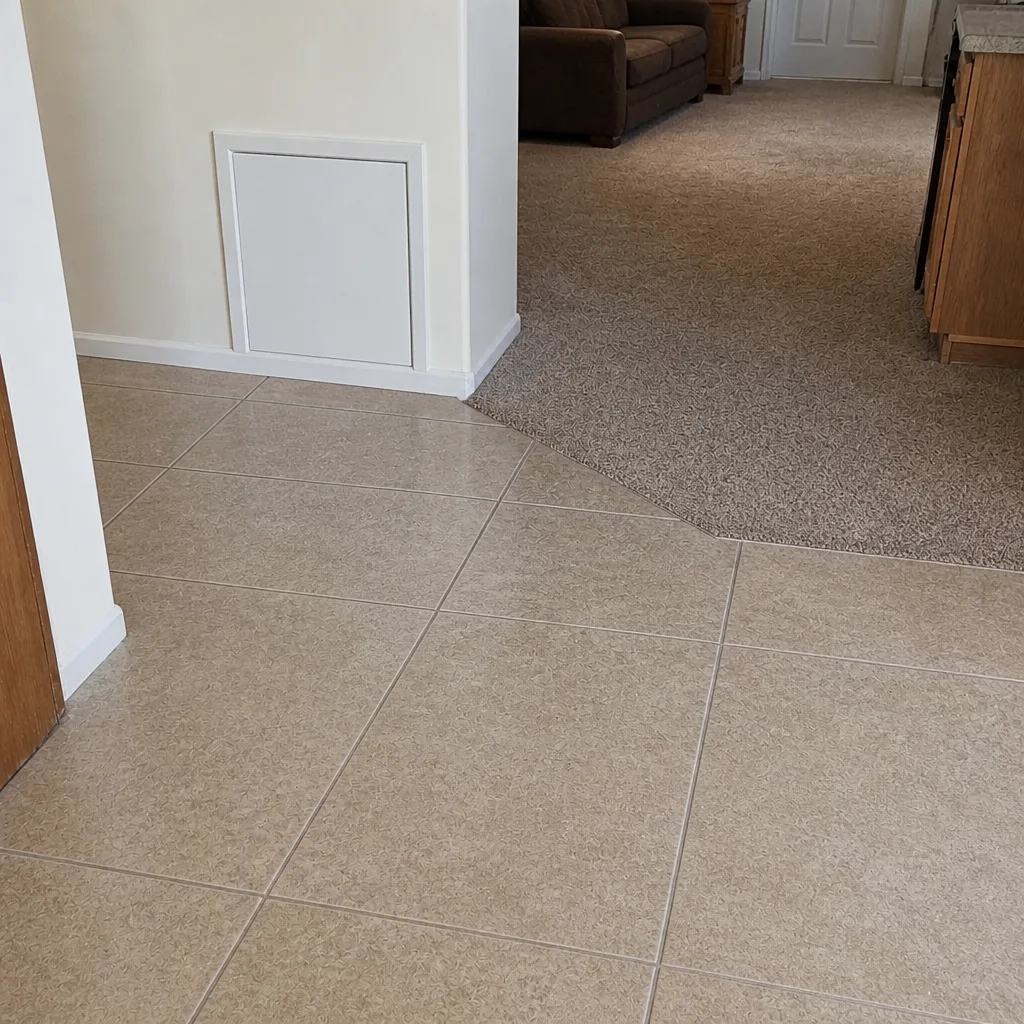 After
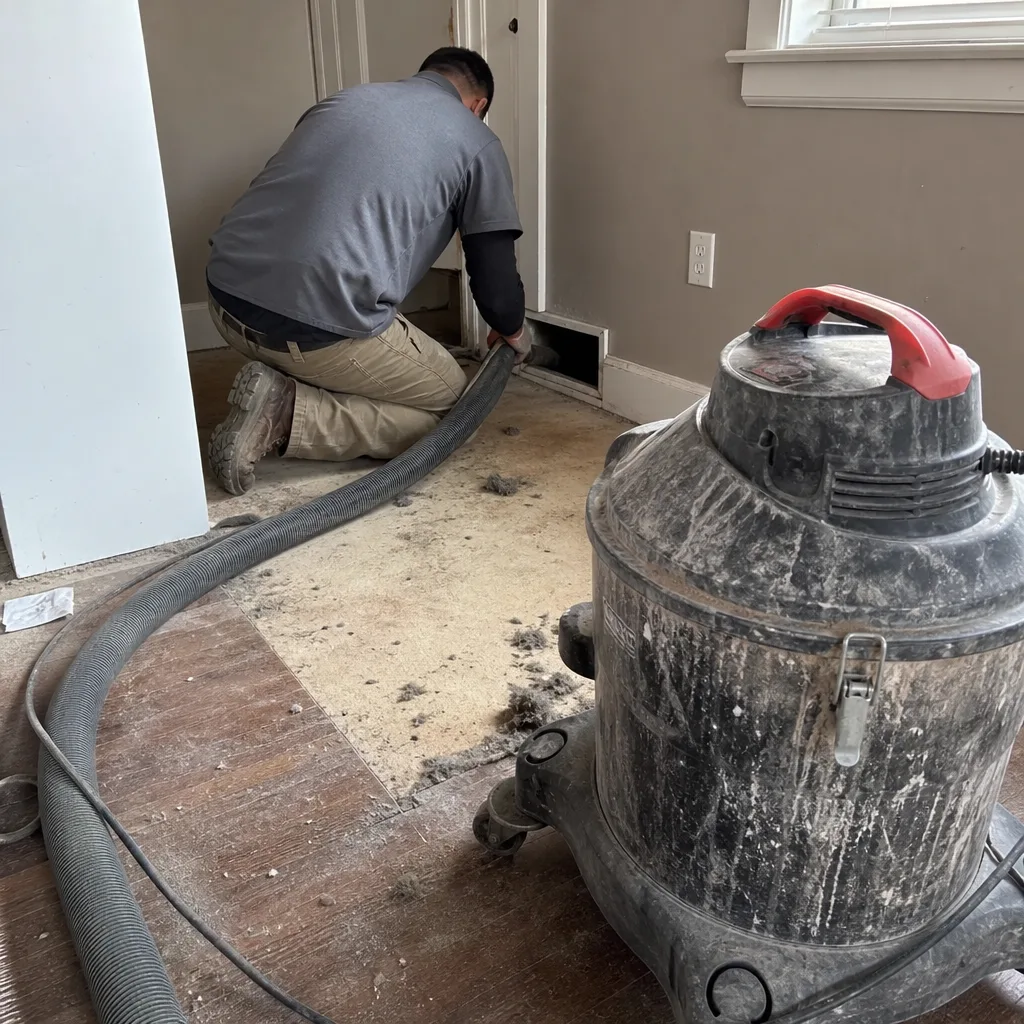 Before
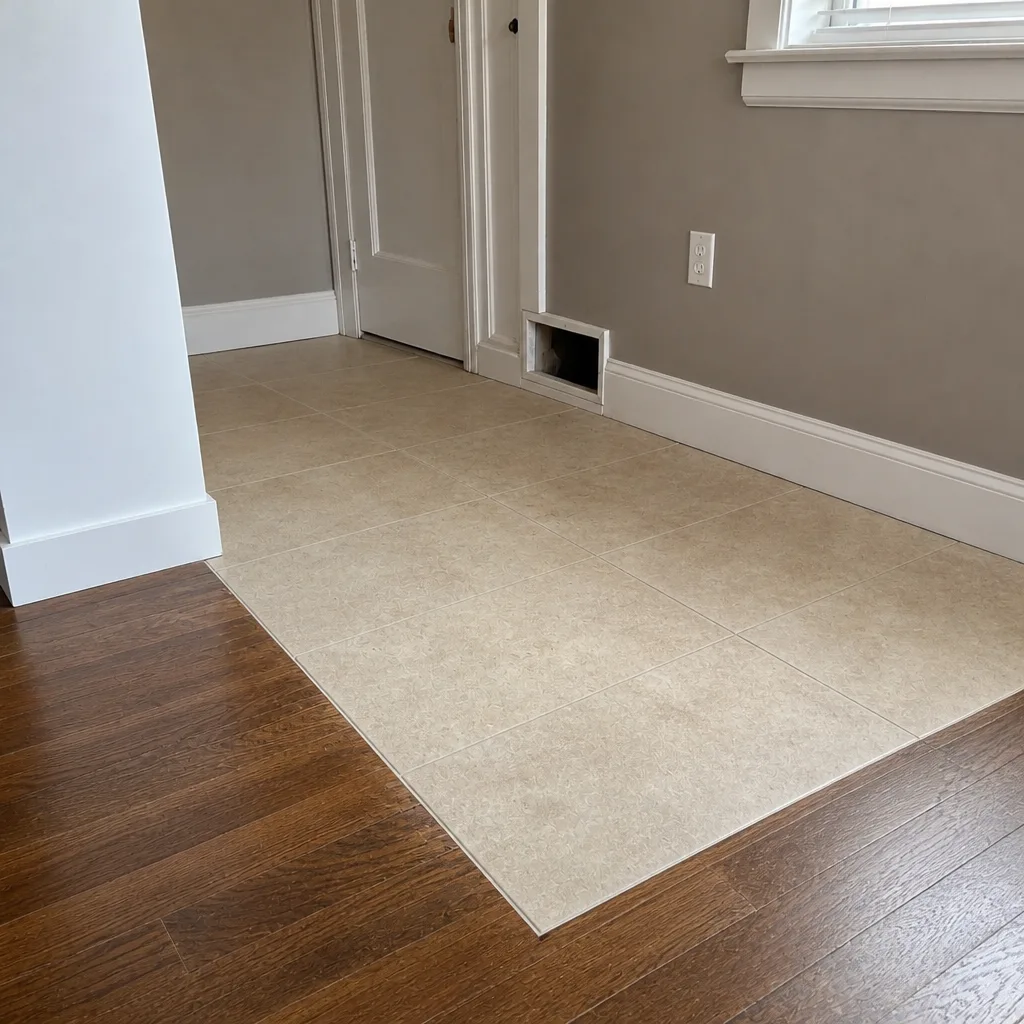 After
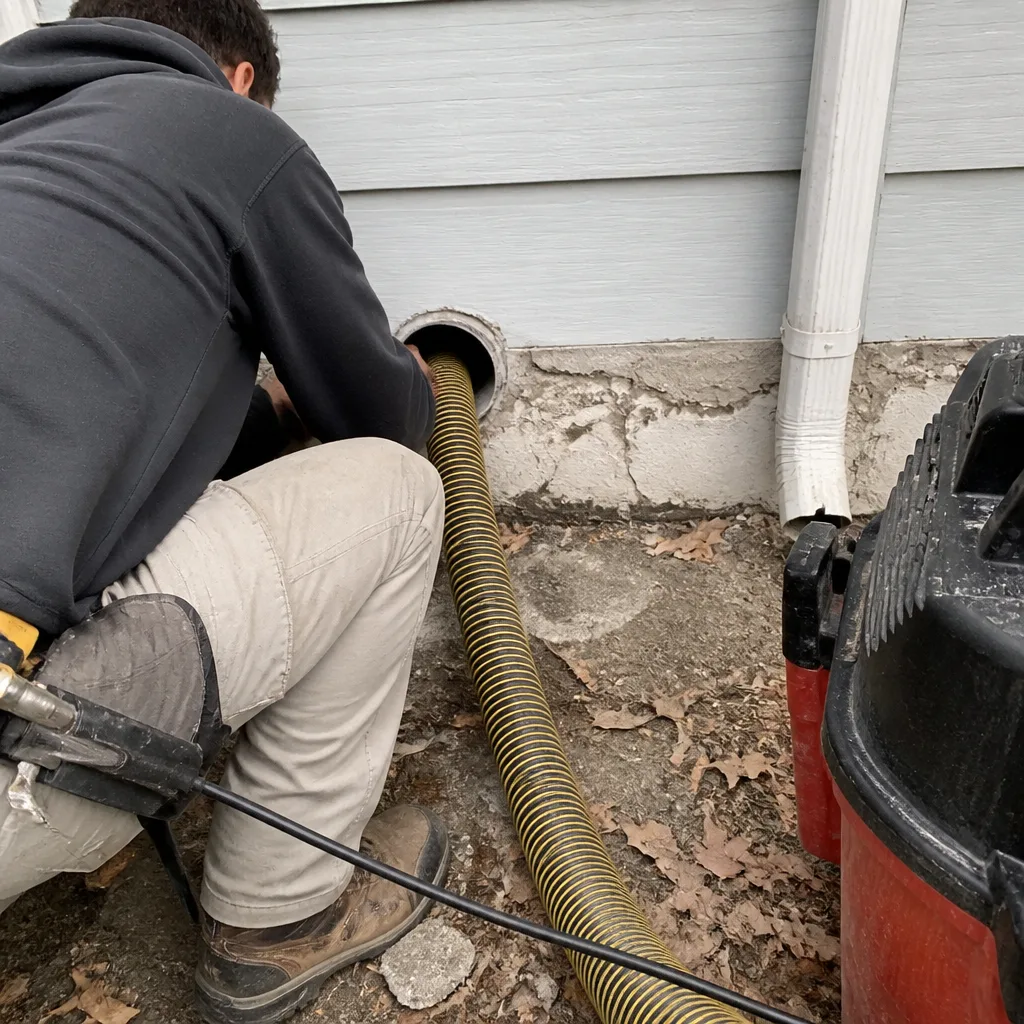 Before
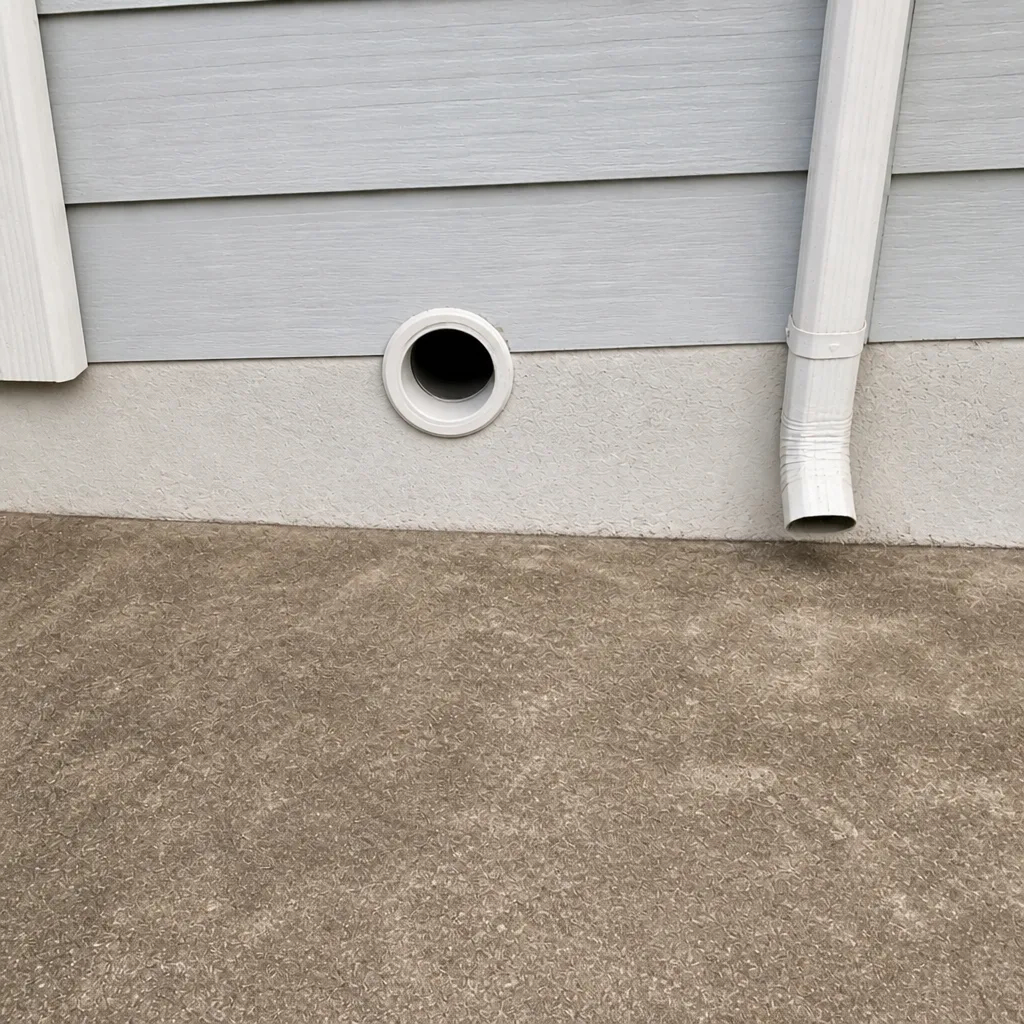 After
Common Mistakes to Avoid
- Running the system on fresh-air mode during a smoke event. It pulls the plume straight into the return and loads the entire system in a single afternoon. Sealing up and switching to recirculate is the right move, and it’s the opposite of what many homeowners do.
- Waiting to see if the smell goes away after a water event. Odor is a symptom, not the problem. The 48-hour window is real, and waiting through it to avoid an inspection typically converts a cleaning into a replacement.
- Assuming visible ductwork is the whole system. In a Murray crawlspace ranch, most of the duct system is hidden. A register-level visual check tells you almost nothing about contamination further in.
- Hiring a cleaner for a remediation job. Cleaning and remediation are separate scopes with different standards. A cleaning crew that shows up to a mold-stage scenario without the right equipment and products will make it worse.
- Skipping documentation. Homeowners who clean up first and document second usually can’t recover costs on a claim, even when the claim was legitimate. Photos before action, every time.
- Ignoring duct repair after a quake. A disconnected trunk line in a crawlspace is dumping conditioned air into a space nobody lives in. Cleaning around it looks like progress, but the leak is still there.
- Assuming a cheap post-event cleaning is enough. Emergency ductwork needs a real assessment with equipment to see inside. A shop-vac approach doesn’t reach the contamination that causes symptoms in the first place.
When to Call a Professional
Some situations you can manage yourself: a dusty week, a filter swap, a single register that isn’t putting out. Others really need a professional on site. Call us if any of the following applies: you’ve had visible water in or around ductwork in the last week, you’ve had a smoke event where the system ran on outside air, you felt a quake and your crawlspace or basement has suspended duct runs, you smell a musty odor that never went away, or your insurance company has asked for a scope-of-work letter on an HVAC-related claim.
Murray Air Duct Cleaning Pros offers free estimates in Murray. Call (855) 658-3962 to schedule an assessment. We answer 24/7. Fast dispatch from 7am to 7pm, Sunday through Friday.
Frequently Asked Questions
Within 48 hours is the target, and sooner is better in almost every case. Surface contamination and moisture are still addressable with cleaning and drying inside that window, while mold-stage contamination starts to require partial duct replacement. Call (855) 658-3962 to get an assessment on the calendar, and remember the estimate is free and the price is set per job by the written estimate.
Run it on recirculate, not fresh air, and run the fan on low so filtration is working without stirring settled dust. Switch the thermostat off any fresh-air or economizer setting, keep windows and doors closed, and swap in a higher-MERV filter only if your system can handle the extra static pressure. If you’re not sure, ask before you swap.
No. The visible register is the end of the system, not the system. Mold-stage contamination is usually further in, on insulation facing, internal liner, or in a crawlspace trunk, which is why a camera inspection matters after any water intrusion. If the smell won’t clear after several days, that’s your cue to get a professional involved.
It includes a visual inspection of accessible duct runs, a camera inspection of duct interiors where needed, moisture readings on affected materials, and a written summary of what we found and what we recommend. Where the work is insurance-driven, we can prepare the scope-of-work letter adjusters look for. Call (855) 658-3962 for an exact quote.
Sometimes, and it depends on the cause and what your policy considers direct damage. The single biggest factor in whether a claim succeeds is documentation: dated photos, moisture readings, air quality readings, and a contractor scope letter. We can help with those documents; your policy and your adjuster make the coverage call.
Yes, and it’s the emergency category most people skip. Lint accumulation in a dryer vent is a fire risk, and a clogged vent also runs hotter and longer than it should. If you can’t remember the last time your vent was cleaned, that’s the one to book alongside your duct inspection. Call (855) 658-3962; estimates are free.
The Bottom Line
The duct emergencies that matter in Murray are specific: wildfire smoke, water intrusion into basement and crawlspace runs, and post-quake disconnections in older housing stock. In every one of them, the response window is the real story. The homeowner who acts in the first 48 hours pays for cleaning and sanitizing. The homeowner who waits pays for cleaning, sanitizing, and remediation, or worse, section replacement. Document before you touch anything. Know where your system shuts off. Get a professional assessment quickly when the signs are there. And remember that cleaning and remediation are different jobs, done by different scopes with different equipment.
If you’re facing any of this in Murray right now, call (855) 658-3962. We answer 24/7. Fast dispatch from 7am to 7pm, Sunday through Friday. Estimates are free, the price is set per job by the written estimate, and you’ll see before-and-after photos of your own system.
Written by the team at Murray Air Duct Cleaning Pros.