
Last updated November 24, 2026
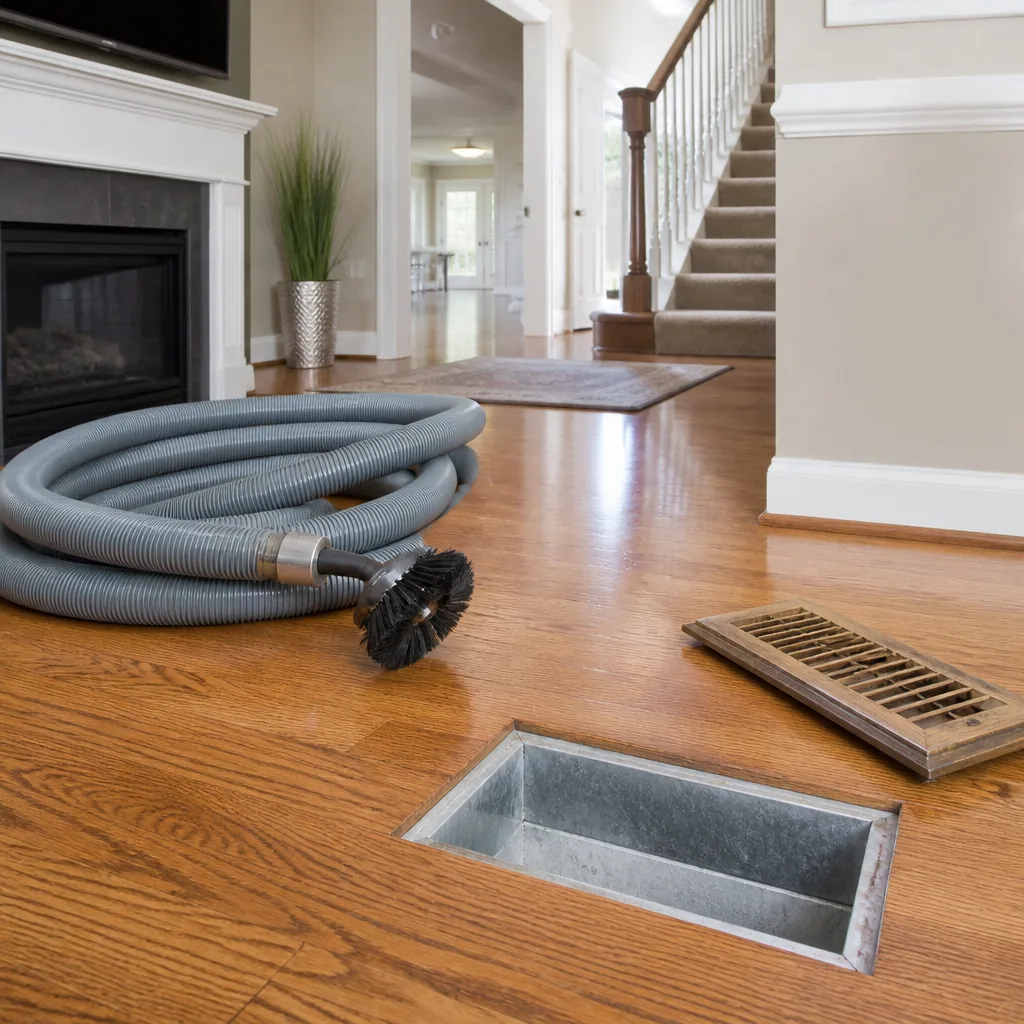 Whole-home duct cleaning
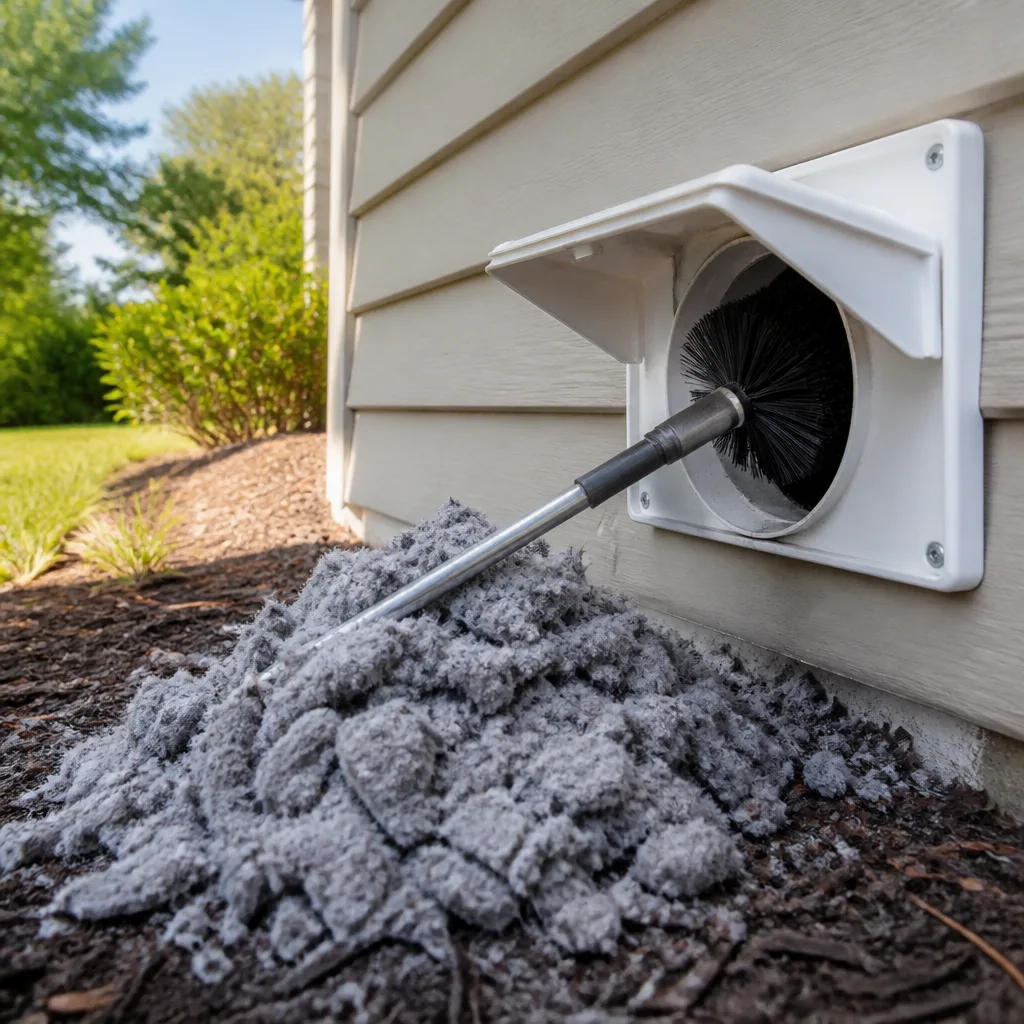 Dryer vent cleaning
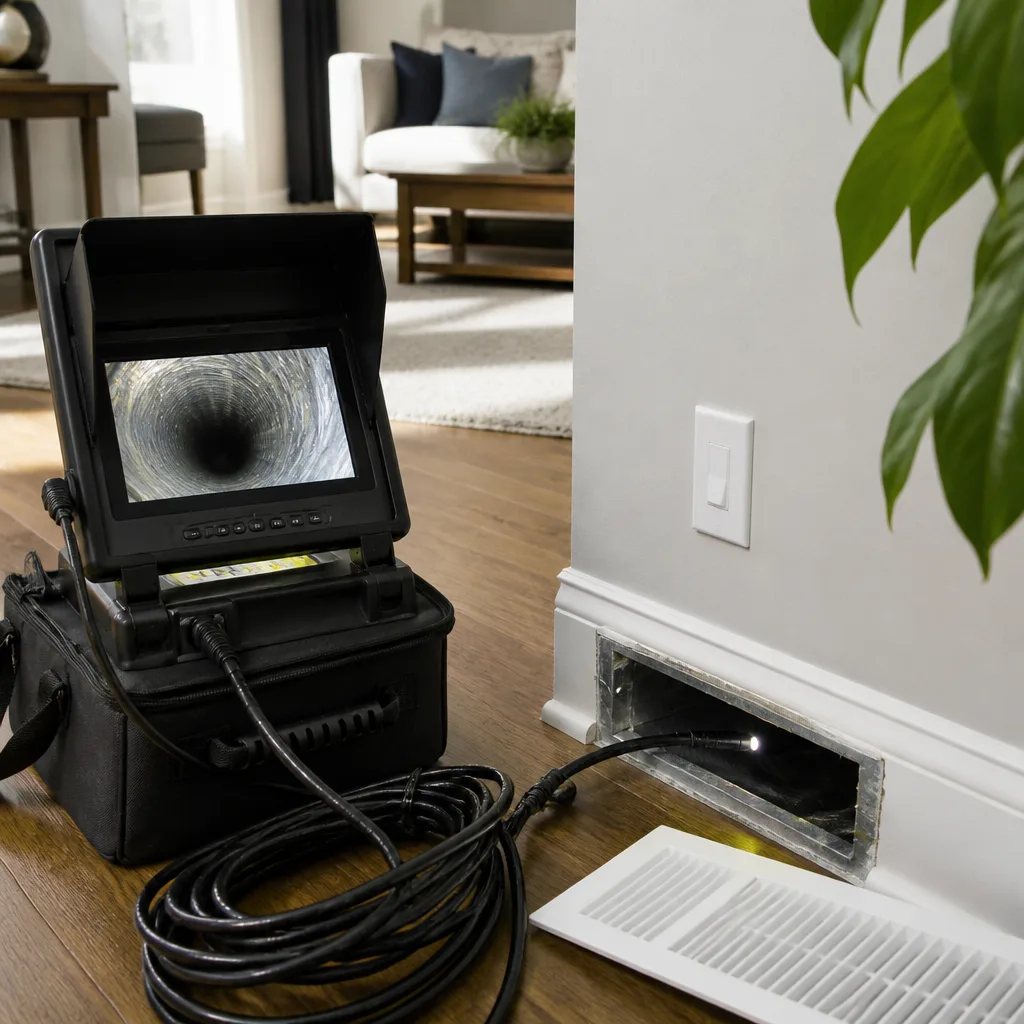 Camera inspection
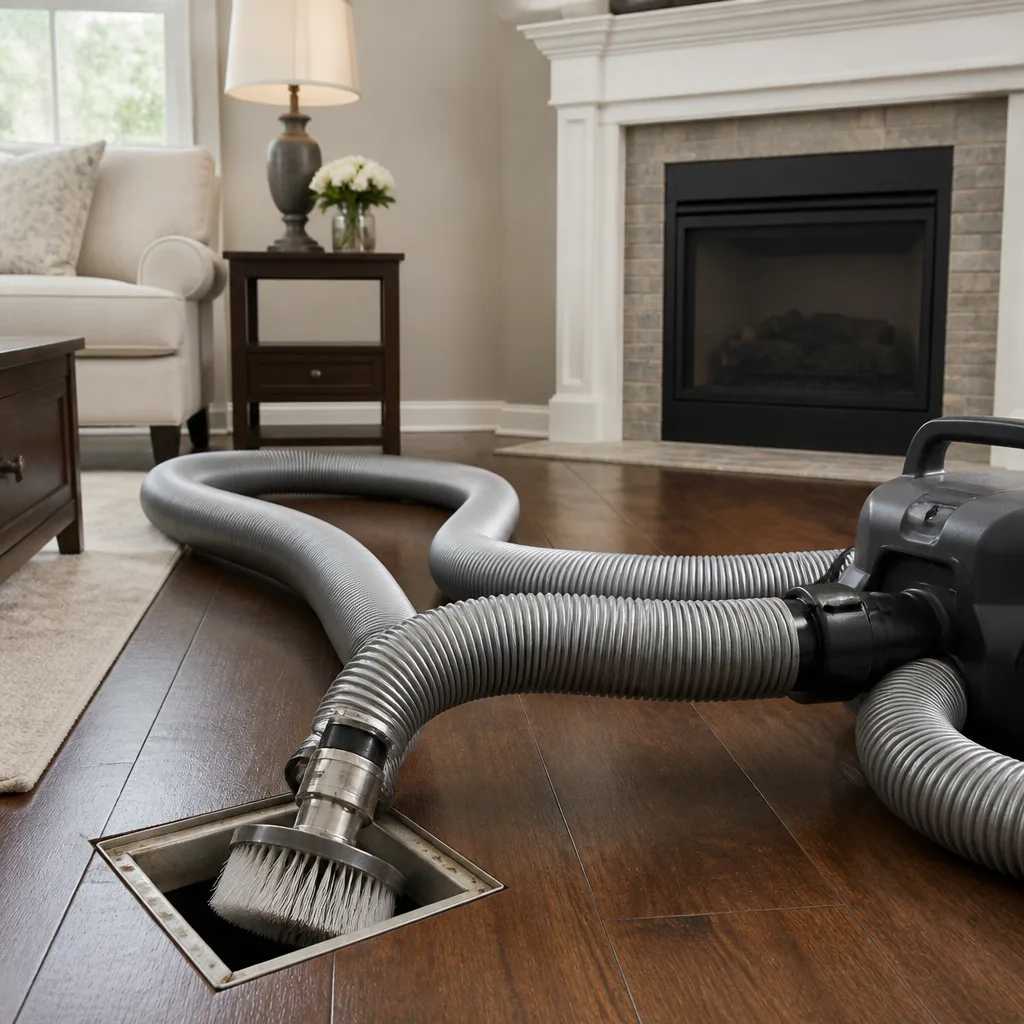 Sanitizing & deodorizing
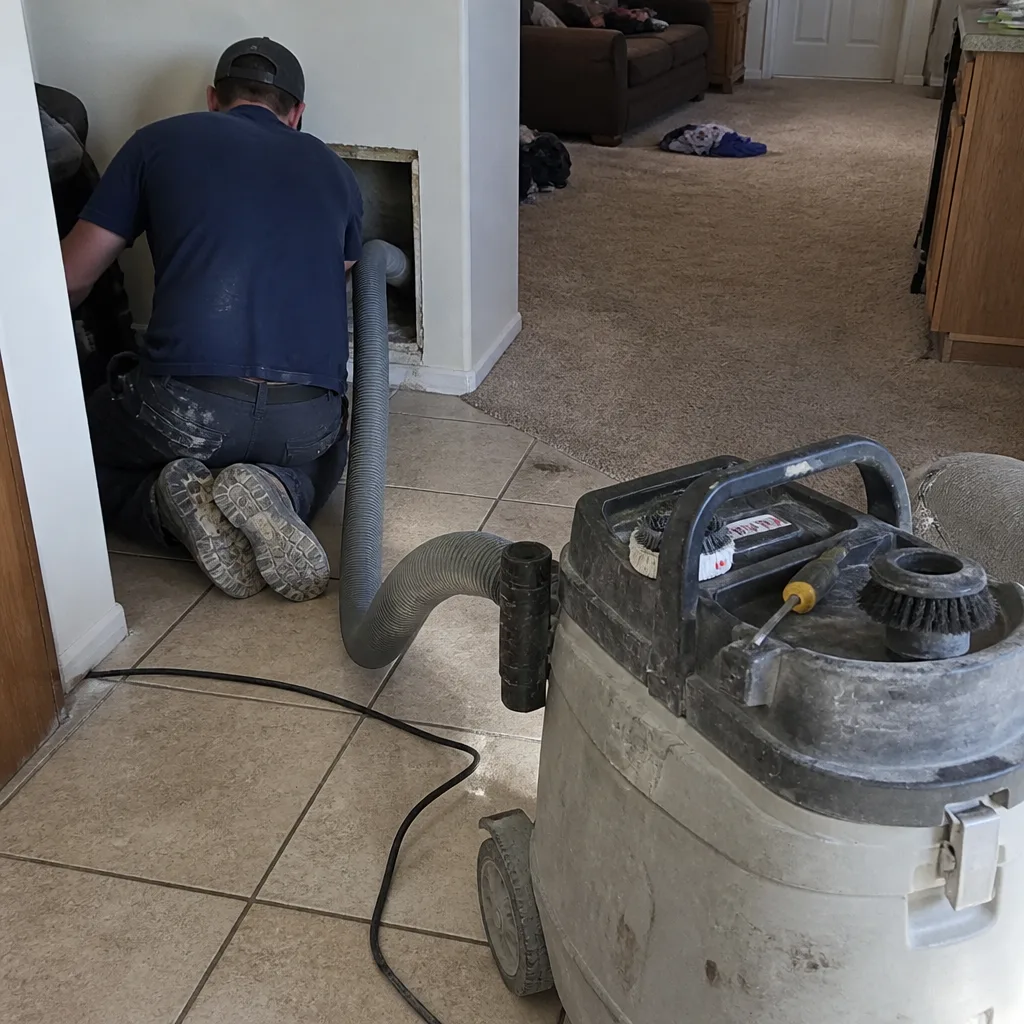
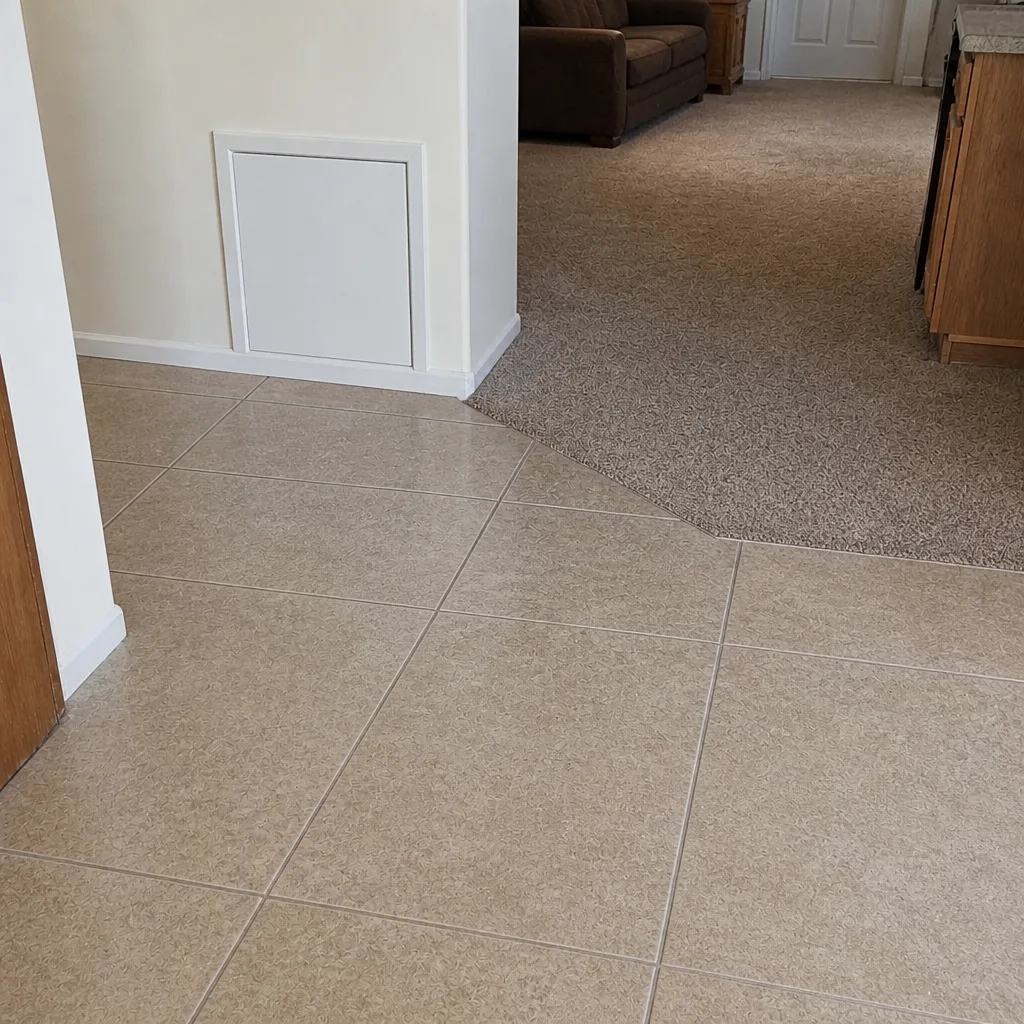
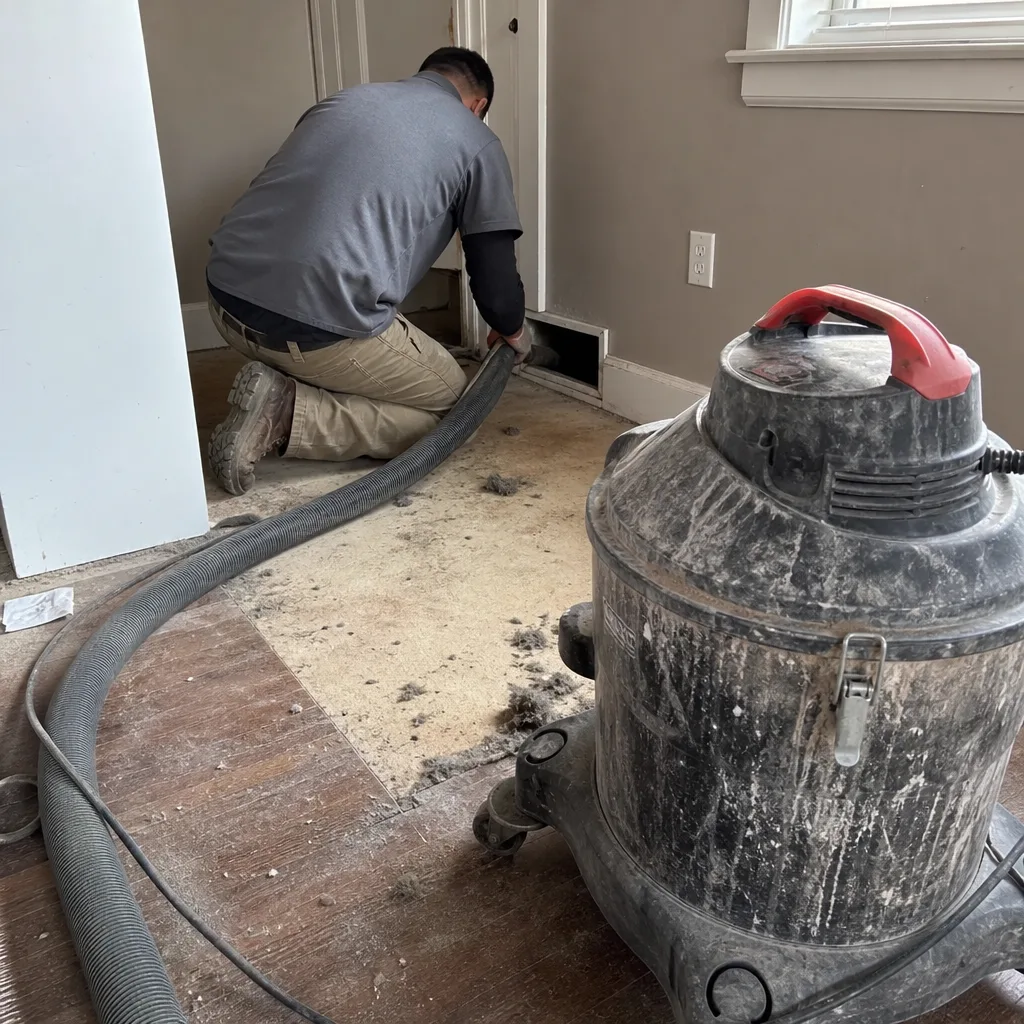
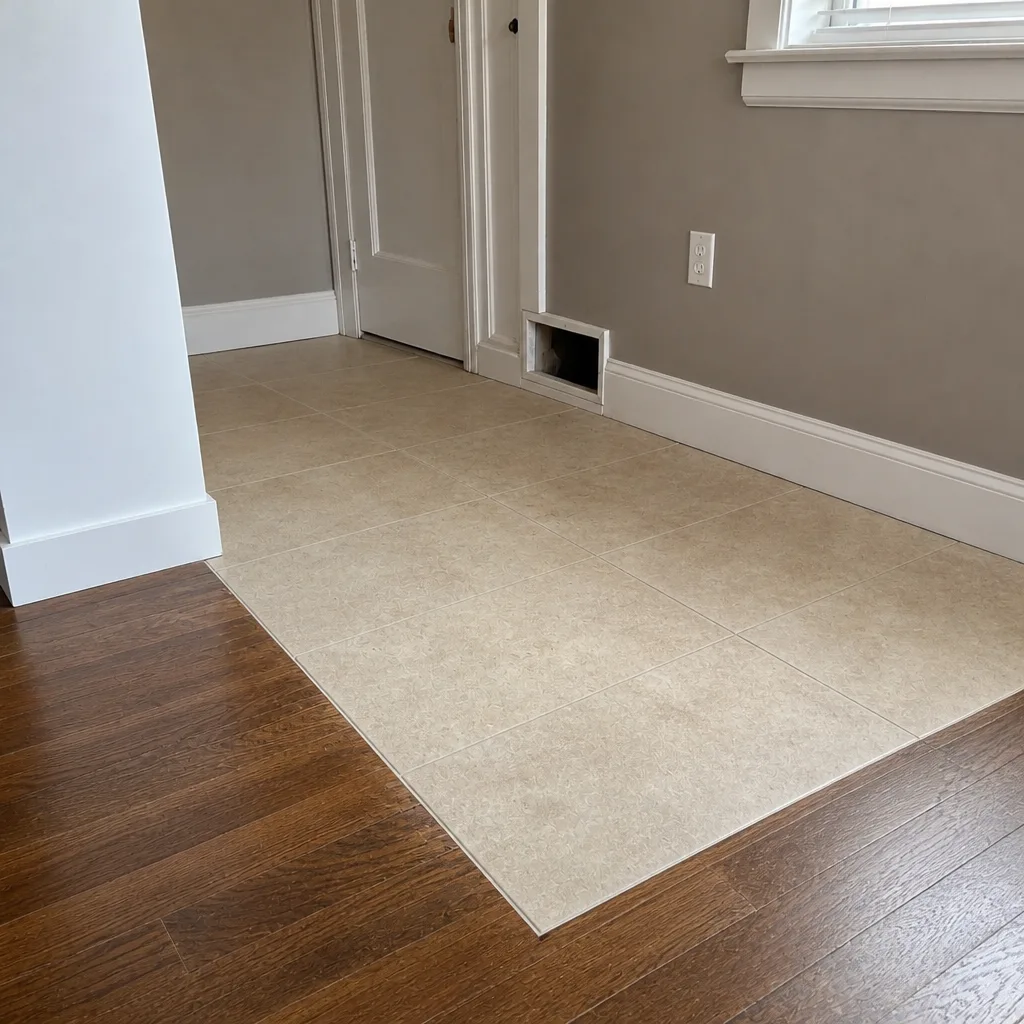
Whole-system duct and dryer vent check with before-and-after photos - you see exactly what came out of your vents
That "$99 whole-house special" is a bait ad - the real number appears once they are in your hallway, or the "clean" is a shop-vac at the register. We photograph the inside of your ducts before and after instead.
How to Hire an Air Duct Cleaning Contractor in Murray: A Step-by-Step Guide
Utah does not require a state license to offer air duct cleaning services, which means the barrier to entry is essentially zero, and the burden of vetting falls entirely on you. That surprises most homeowners in Murray. They assume a contractor who shows up with a van, a hose, and a printed invoice must have cleared some kind of official bar. There isn’t one. So the only thing standing between your ductwork and someone with a shop-vac and a business card is the set of questions you ask before you book. This guide walks through those questions, what a competent answer sounds like, how to read a quote for the gaps that signal trouble, and what the work should actually look like inside your home once it starts.
Quick Answer
To hire an air duct cleaning contractor in Murray, verify certification through the NADCA website yourself rather than trusting a logo on a van, ask which equipment brand and airflow rating they use, insist on whole-system pricing rather than per-vent pricing, and require a written scope of work that explicitly names HVAC unit cleaning and any repairs. A contractor who can answer all four without hesitation is worth a site visit. One who dodges any of them is telling you something.
Styles & brands we work with
- Whole-home duct cleaning
- Dryer vent cleaning
- Camera inspection
- Sanitizing & deodorizing
Table of Contents
- Why There’s No License to Check in Utah
- The Five Questions to Ask Before You Book
- Why NADCA Certification Matters and How to Verify It
- Red Flags in a Quote: Per-Vent Pricing and Other Warning Signs
- How to Read a Contract for Scope of Work
- What the Job Should Look Like in Your Home
- What Murray Homes Specifically Tend to Need
- How Often You Really Need This Done
Why There’s No License to Check in Utah
Utah does not issue a license for air duct cleaning, and that single fact reshapes how you should shop. In a licensed trade, you can pull up a state database and confirm standing in a few minutes. Here, there’s no database to pull. Anyone who can buy a vacuum and print a flyer can call themselves a duct cleaning contractor, and a fair number do.
That doesn’t mean the whole market is rotten. It means the signal you’d normally rely on (the license) is replaced by other signals: third-party certification, the equipment they name, the way they price, and the specificity of what they’re willing to put in writing. Those four things do the job a license would do in a regulated trade, if you know to look for them.
Murray is a good place to see the difference up close. Much of the city’s housing was built in the mid-20th century and later, and the ductwork in those homes has had decades to accumulate dust, pull apart at the joints, and quietly leak conditioned air into crawlspaces and attics. A cleaner who only vacuums what they can reach from a floor register will leave the real problem in place. The homes here reward contractors who know how to open the whole system up and look at it honestly.
One more thing worth knowing: because there’s no state license, there’s also no state complaint process that carries real weight. If a job goes badly, your leverage is what you wrote down before work started. That’s why the contract section of this guide matters as much as the interview section. We’ve seen the difference between a homeowner who had a clear scope of work and one who had a text message and a verbal promise, and it’s the difference between a fix and a fight.
The good news is that a serious contractor in Murray will welcome the scrutiny. The questions below aren’t gotchas. They’re the same questions a commercial building manager asks before letting anyone near a rooftop unit, and any contractor who does serious work already knows how to answer them.
The Five Questions to Ask Before You Book
Ask these five questions before anyone comes to the door. How they answer tells you more than any advertisement can. A capable contractor answers all five without hedging.
- What equipment brand and airflow rating do you use? Ask for the brand name and the cubic-feet-per-minute (CFM) capability of their main vacuum. Professional duct cleaning rigs pull strong, sustained negative pressure so loosened debris goes to the machine instead of into your living room. Consumer shop-vacs and low-grade portables can’t sustain that. At Murray Air Duct Cleaning Pros we run Rotobrush and Nikro equipment, both purpose-built systems used in commercial and restoration work. If the answer is “a really powerful vacuum” with no brand and no rating, that’s your answer.
- Do you clean the HVAC unit itself, or just the ducts? The air handler, blower, and coil sit at the center of the system. Cleaning ducts while leaving a dusty blower and coil untouched means contaminating the system the moment it runs again. Whole-system cleaning is the only version that makes sense.
- How do you price, per vent or per system? A per-vent price is easy to quote on the phone and easy to inflate once they’re standing in your hallway counting registers. Whole-system pricing means one number for the whole job, agreed before work begins. More on this below.
- Are you NADCA certified, and what’s your certification number? You’ll verify this yourself, but how they answer is telling. A certified contractor gives the number without hesitation. Someone without it gets vague.
- What does the walkthrough look like when you’re done? The answer should involve before-and-after photos of your actual system, not a generic stock photo sent by email. Ask to see the inside of the ducts before and after.
Those five questions are the spine of the whole process. If you remember nothing else from this guide, remember those. They filter out the vast majority of contractors who can’t do the work properly, and they cost you nothing but a phone call.
For homeowners who want to see what proper whole-system Murray Air Duct Cleaning Pros work involves, we’re glad to walk through the process before you commit to anything.
Why NADCA Certification Matters and How to Verify It
NADCA is the National Air Duct Cleaners Association, and its certification is the closest thing this trade has to a recognized standard. Certification means the contractor has met an industry benchmark for methods and has agreed to a code of ethics. It’s not a state license, but it’s the next best thing, and it’s the one credential you can actually check.
Here’s the part most homeowners miss: don’t take the contractor’s word that they’re certified. Verify it yourself, and it takes less than a minute.
- Go to the NADCA website on your phone, not the contractor’s website.
- Use the “Find a Certified Professional” search tool.
- Type in the company name and your city (Murray) or their service area.
- Confirm the company appears with a valid, current certification listing.
- If the contractor gave you a certification number, match it against the listing. A number that doesn’t appear is a red flag.
A logo printed on a van, a badge on a website, or the word “certified” in an ad means nothing on its own. People put logos on things. The search tool is the check that matters. If a contractor claims certification and doesn’t show up in the NADCA database, treat the claim as false and move on. A contractor might be skilled without NADCA certification, but one who misrepresents certification has told you something important about how they operate.
At Murray Air Duct Cleaning Pros, we point homeowners to the same verification step. We’d rather you checked than assumed. The whole point of asking these questions is to separate real capability from marketing, and certification is one of the few things in this industry you can independently confirm. Use it.
Red Flags in a Quote: Per-Vent Pricing and Other Warning Signs
Most bad duct cleaning experiences start with a quote that looks like a bargain. The tricks are predictable once you know what to watch for.
- Per-vent pricing. A price “per vent” or “per register” sounds transparent but invites bait-and-switch. The quote covers the easy-to-reach registers, then the technician arrives, finds “extra” vents or “heavy buildup,” and the price climbs. Whole-system pricing is the honest model: one number for the whole job, agreed in writing before work starts.
- No mention of HVAC unit cleaning. If the scope only mentions ducts and registers, the most contaminated part of the system (the blower, the coil, the air handler) isn’t being touched. That’s not a complete job. Ask, and if they can’t do it, that’s a gap.
- Unusually low flat rates. A very low flat rate for a whole house usually means either corner-cutting or a price that will grow once they’re on site. Ask what’s included, line by line, and compare that to what a thorough job requires. If the price is dramatic, ask where the corners are cut.
- Vague on equipment. If you ask what brand of vacuum they use and get a shrug, the answer is probably “nothing specialized.” Professional-grade equipment is a cost, and contractors who invest in it are proud to name it. We name ours: Rotobrush and Nikro for the ducts, plus Abatement Technologies and Guardsman products for contaminant control and sanitizing. A serious contractor can tell you exactly what they’re running.
- No photos, no walkthrough. A contractor who won’t show you the inside of your ducts before and after is asking you to take the work on faith. That’s exactly the position bait-and-switch operations rely on.
- Pressure to book immediately. Urgency about saving a spot or a price that expires today is a sales tactic, not a service. A genuine contractor will let you think about it.
The industry’s reputation problem comes almost entirely from the bait-and-switch model described above. If you understand how that model works, you’re already protected against most of it. Whole-system pricing with a written scope of work is the structural fix. It removes the incentive to inflate once on site because the price is already agreed.
If you want that model, our air duct cleaning process is built around it: one flat price per system, agreed before work starts, with before-and-after photos of your own ducts at the end.
How to Read a Contract for Scope of Work
The contract is where a good job is protected. Read it before signing, and check that it names every component of the system by name. Vague language is where corners hide.
Here’s what should be present, item by item:
- Supply ducts and return ducts, listed separately. Some contractors clean one and skip the other. The return side often holds the heaviest dust load.
- All registers and grilles, with a count.
- The air handler, blower, and evaporator coil, listed explicitly as part of the scope. If these are missing, the system isn’t being cleaned.
- Access panel creation if needed. Ducts often lack service access, and a proper job may require creating clean access points. The contract should say who makes them and whether they’re included in the price.
- Sanitizing or treatment products, named. Not “a disinfectant spray” but the actual product category and how it’s applied.
- Any duct repairs or sealing, described specifically. If the contract explains how leaks will be found and how they’ll be sealed, that’s good. If it says “seal as needed,” ask for specifics in writing before signing.
- Before-and-after photos as a deliverable, at the end of the job.
- Total price, stated clearly, with no per-unit language and no open-ended add-ons.
What to reject: “duct cleaning” with nothing after it. “HVAC cleaning included” without naming what gets cleaned. Any language that says the price may change based on “what we find.” And “per vent” or “per register” pricing, for the reasons above.
We write our contracts with every line item spelled out, and we’re happy for you to read it slowly and ask questions before anyone touches your ducts. The whole point of a written scope is that it protects both sides.
What the Job Should Look Like in Your Home
By the time the crew arrives, you should already know what’s going to happen. A proper duct cleaning job follows a fairly consistent sequence, and knowing it means you can tell at a glance whether the job is being done right.
- Walkthrough and inspection. Before any equipment comes in, the technician should walk the system with you, identify the registers, look at the air handler, and flag anything that might need repair. This is also the moment to ask any final questions.
- Source control. Before cleaning, they should seal the supply and return openings they aren’t actively working on, so loose dust has nowhere to go but the vacuum. If you see registers left open while the machine runs, ask why.
- Negative pressure setup. The vacuum rig is connected to the system and run so the ducts are under negative pressure throughout the cleaning. This is what keeps loosened debris from blowing into the living room. It’s the single most important technical detail of the job, and it’s invisible if you don’t know to look for the setup.
- Duct agitation. A rotary brush or air whip run through the ducts loosens settled material from the walls so the vacuum can pull it out. Without agitation, the vacuum only gets surface dust.
- Access panels. Where the system lacks access, the crew creates sealed access points. These are real openings cut into the duct, then fitted with airtight covers so they don’t leak. If the contract mentioned access, confirm the panels were made and sealed properly.
- HVAC unit cleaning. The blower, coil, and air handler are cleaned separately from the ducts. This is the step cheap operations skip. Make sure it’s happening.
- Post-job walkthrough with photos. When cleaning is done, the technician should show you before-and-after photos of your own ducts and walk you through any repairs or issues found.
That last step is the reason we insist on it. It converts a job into something you can verify. You shouldn’t have to take anyone’s word that your ducts are cleaner; you should be able to see it.
For a closer look at the full sequence, our HVAC cleaning page breaks down how the unit itself gets handled.
What Murray Homes Specifically Tend to Need
Murray’s housing stock shapes the work. Much of the city’s single-family housing dates from the mid-20th century forward, and the duct systems in those homes have often spent decades accumulating debris, losing pressure at the joints, and pulling dust in through leaky returns. When we open up a system in a Murray home, we typically expect to find a few consistent things.
Return-side contamination is common. Returns usually run through walls, attics, and crawlspaces, and where they pass through unconditioned space, small leaks let in dust and outside air. A cleaner who only works the supply side misses it.
Disconnected or poorly sealed joints are also common. Ducts expand and contract with the seasons, and over years, taped joints fail and flexible connections crack. You feel it as uneven airflow (warm rooms, cold rooms) and you pay for it on your energy bill. That’s why duct repair and sealing belongs in the conversation, not just boxed-up cleaning. Cleaning a leaky system without addressing the leaks means the same problem comes back.
Access is often a limitation. Older Murray homes often have tight mechanical spaces and duct runs with no service panels. A proper job may involve creating access points. Ask whether that’s included in the price and how the panels will be sealed afterward.
Winter and summer swings matter here too. Utah’s dry, hot summers and cold winters put ductwork through real seasonal expansion and contraction, so joints work open faster than in milder climates. That’s a maintenance reason to inspect, not just clean.
None of this should surprise a homeowner once they’ve seen the inside of the system. That’s the case for opening it up and looking, rather than guessing. If you want to know what your Murray home actually needs, a proper inspection plus a written scope of work will tell you far more than a quote given over the phone.
How Often You Really Need This Done
There’s no universal schedule that fits every home, and any contractor who quotes you a fixed yearly interval without seeing your system is guessing. What we can say is what makes a system need attention sooner, and how to know when to schedule an inspection.
The common reasons to have the system checked include recent remodeling or construction (sawdust and drywall dust get pulled straight into returns), water intrusion or visible mold near a register, pets in the home, allergy or respiratory sensitivity in the household, inconsistent airflow from room to room, and musty odors when the system runs. If any of those describe your situation, an inspection is worth doing.
For most homes without a specific trigger, we’d rather you have the system inspected periodically and cleaned when the inspection shows it needs it, than follow a rigid calendar. That’s a more honest way to spend your money. Duct repair and sealing work, once done, tends to reduce how often cleaning is needed, because the leaks that pull dust in are gone.
Dryer vents are a separate question, and one with a safety angle. Lint buildup in a dryer vent is a fire risk, not just an efficiency issue, and it deserves the same scrutiny as ductwork. A contractor who offers dryer vent cleaning as part of a whole-system visit is covering the whole chain of air movement in your home.
If you’re not sure whether it’s time, a free estimate and a real look at the system will answer the question in a way a phone call never can.
Common Mistakes to Avoid
- Booking on price alone. The cheapest quote is often the setup for a bigger bill once the technician is in the door. Compare scope, not just numbers.
- Accepting “per vent” pricing. It invites inflation and gives you no way to compare quotes honestly. Ask for a whole-system price.
- Skipping the NADCA check. A logo on a van proves nothing. Look the company up on the NADCA website yourself, with the certification number if they gave one.
- Not asking what equipment they use. If the answer is vague, the equipment is probably not professional-grade. Ask for brand names.
- Signing a contract that doesn’t mention the HVAC unit. Duct cleaning without air handler and coil cleaning leaves the biggest contamination source untouched.
- Skipping the walkthrough. Before-and-after photos of your own system are the proof of work. Don’t accept a job that doesn’t include them.
- Assuming the state will vet the contractor for you. Utah doesn’t license duct cleaners. The verification is on you, and it takes a few minutes to do it properly.
See the difference
 Before
 After
 Before
 After
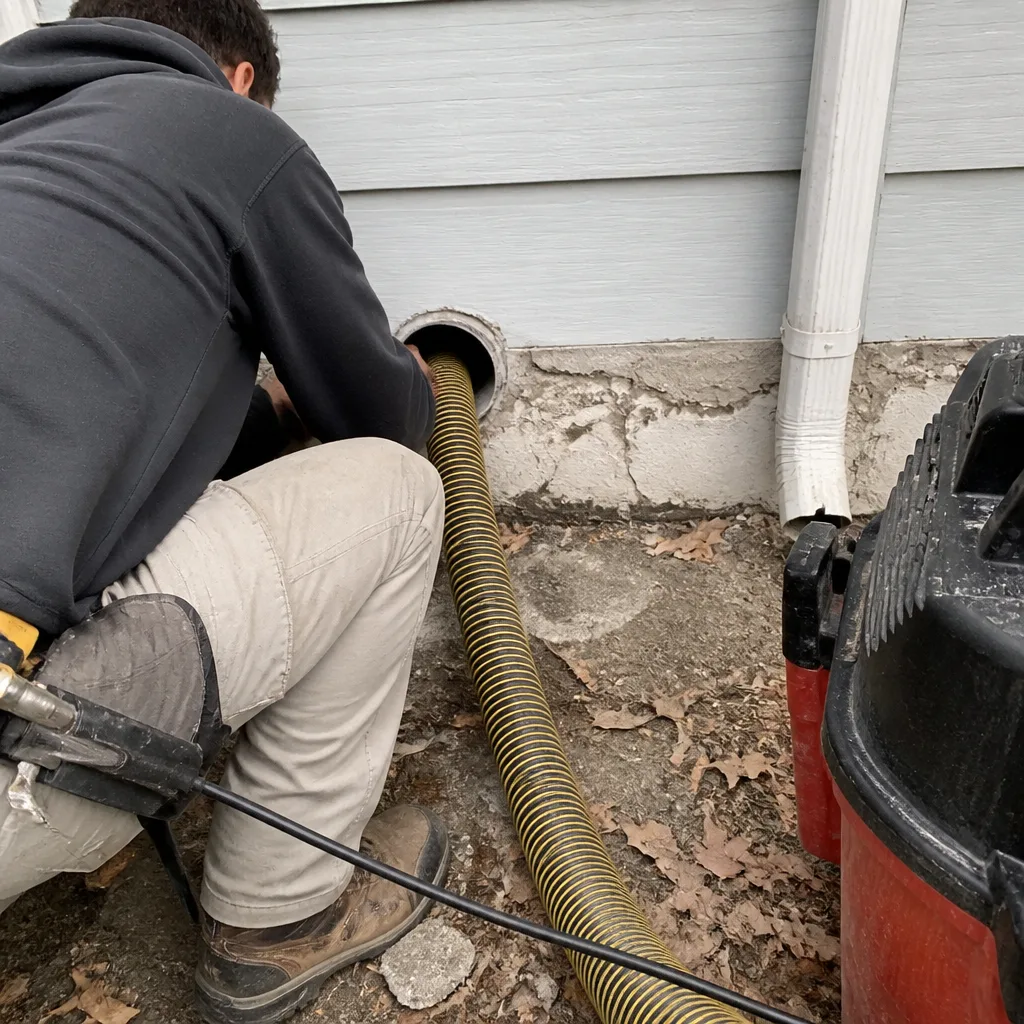 Before
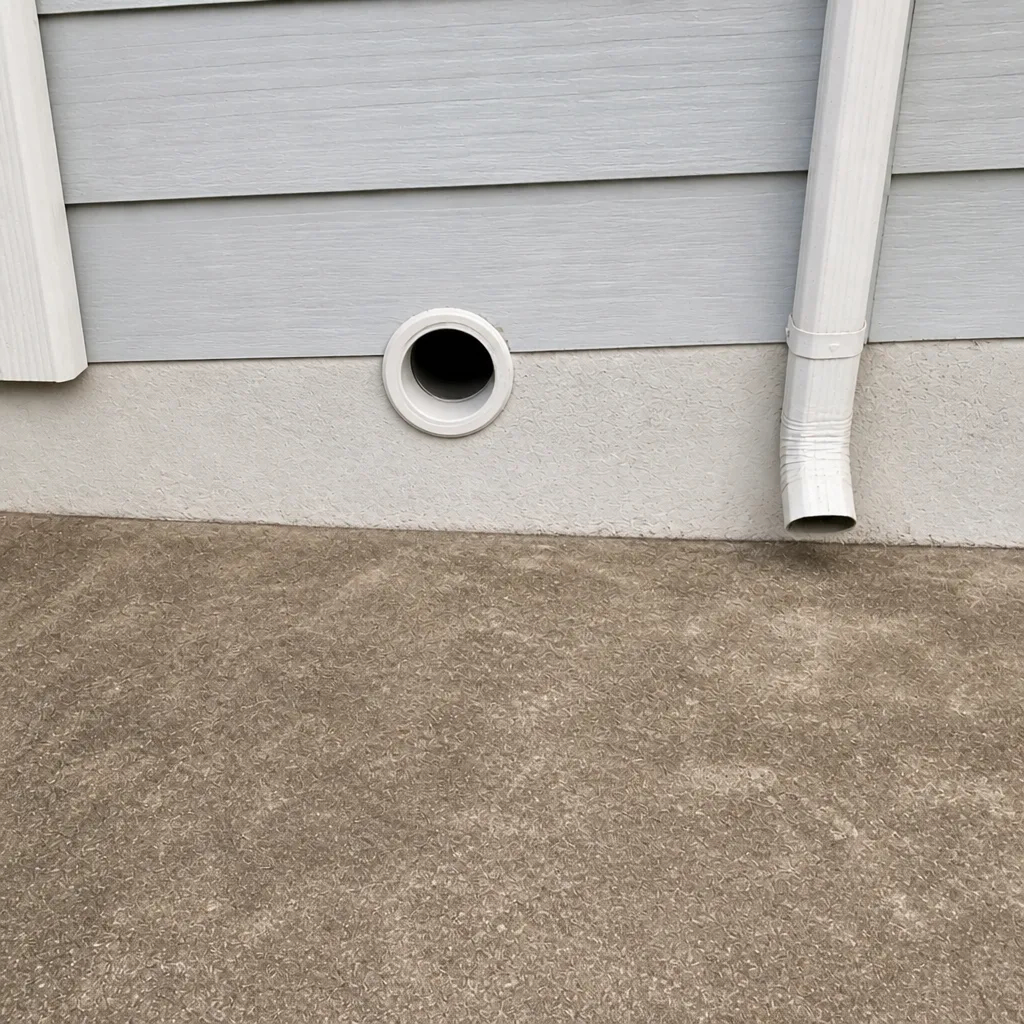 After
When to Call a Professional
Some issues in a home are fine to live with; a few are worth a call. Visible mold near a register, musty odors when the system runs, dust reappearing on surfaces days after cleaning, uneven airflow between rooms, or a recent remodel that pushed construction dust through the system are all signs the ducts and HVAC unit need a real look. The same goes for a dryer that takes two cycles to dry a load, which often signals a lint-clogged vent. Our technicians have up to 11 years of experience reading systems in Murray, and we’d rather inspect and tell you the truth than sell you a cleaning your home doesn’t need. Murray Air Duct Cleaning Pros offers free estimates in Murray, so call (855) 658-3962 to book an inspection. We answer 24/7, with fast dispatch from 7am to 7pm, Sunday through Friday.
Frequently Asked Questions
The price is set per job by a written estimate, because two homes of similar square footage can have very different duct layouts, contamination levels, and access problems. We give you one flat price per system, agreed before work starts, with no per-vent pricing and no add-ons once the technician is in your home. Call (855) 658-3962 for an exact quote. Estimates are free.
Because they usually aren’t covering the same work. Cheap quotes often skip the air handler and coil, use low-grade vacuum equipment instead of professional rigs, and price per vent so the number can climb once the technician is on site. A whole-system price with a detailed scope of work is the honest way to compare. Call (855) 658-3962 to talk through what a complete job includes for your home.
Ask for before-and-after photos of your own ducts, taken during the job. That’s the proof that carries weight, and every job we do ends with a walkthrough where you see them, along with a report on anything we found that needs repair. Call (855) 658-3962 to book an inspection and see the photos for yourself.
There’s no fixed interval that fits every home. A recent remodel, pets, water intrusion, mold, allergy symptoms, or uneven airflow are the usual triggers that make it worth doing, and a periodic inspection tells you when. We’d rather inspect and clean when it’s genuinely needed than sell you a schedule. Call (855) 658-3962 for a free estimate on an inspection.
Yes. Our technicians run Rotobrush and Nikro duct cleaning systems, the same kind of purpose-built equipment used in commercial and restoration work, along with Abatement Technologies and Guardsman products for contaminant control and sanitizing. We don’t use consumer shop-vacs. Call (855) 658-3962 to ask about the setup for your specific system.
We can. Duct repair and sealing is one of our five services, which means we can fix the source of the contamination rather than just clean what it left behind. Leaky joints and disconnected runs are common in Murray’s older homes, and sealing them reduces how fast the system gets dirty again. Call (855) 658-3962 to have the ducts inspected and get a written scope of work.
The Bottom Line
Utah’s lack of a licensing requirement for duct cleaning means the quality of the work depends entirely on the questions you ask before booking. Verify NADCA certification yourself, ask what equipment and airflow rating they use, insist on whole-system pricing instead of per-vent pricing, and require a written scope of work that names the HVAC unit, the access panels, and any repairs. Read the contract before signing and require before-and-after photos at the end. A contractor who welcomes that level of scrutiny is the one you want in your home. A contractor who dodges it isn’t. That’s the whole framework, and it holds up in Murray and anywhere else.
If you’d like a free estimate on your home in Murray, call (855) 658-3962. We answer 24/7, with fast dispatch from 7am to 7pm, Sunday through Friday. Professional-grade equipment, whole-system pricing, and a written scope of work before anyone touches your ducts. Breathe the difference.
Written by the team at Murray Air Duct Cleaning Pros.